
Last updated November 2, 2026
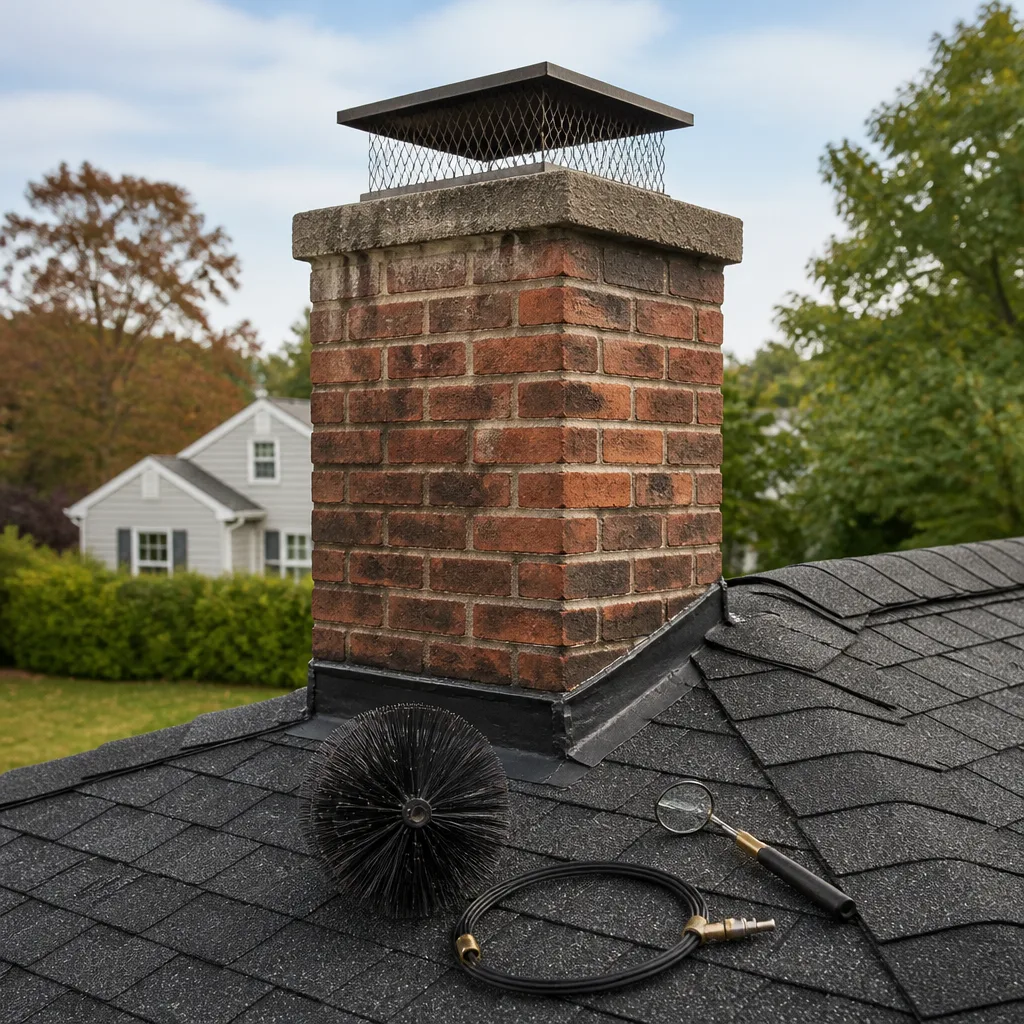 Sweep & inspection
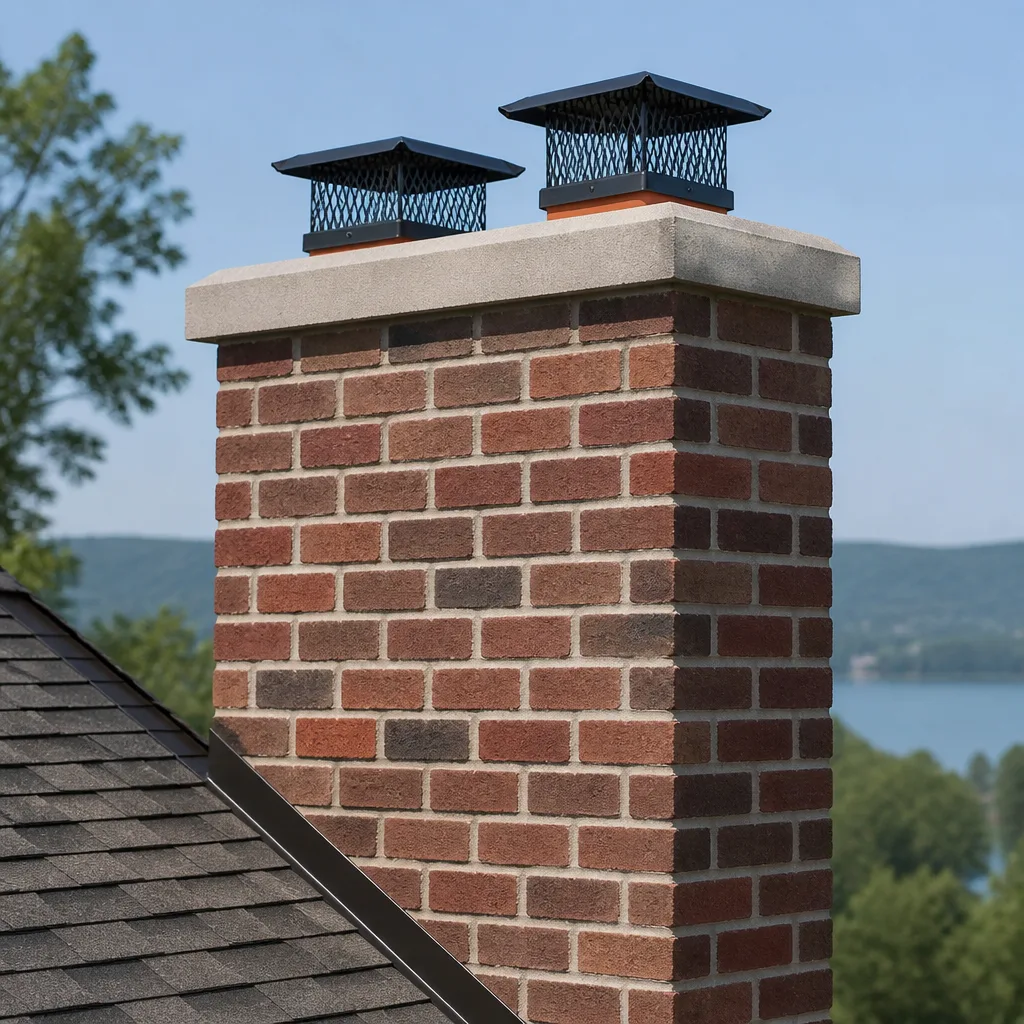 Caps & crowns
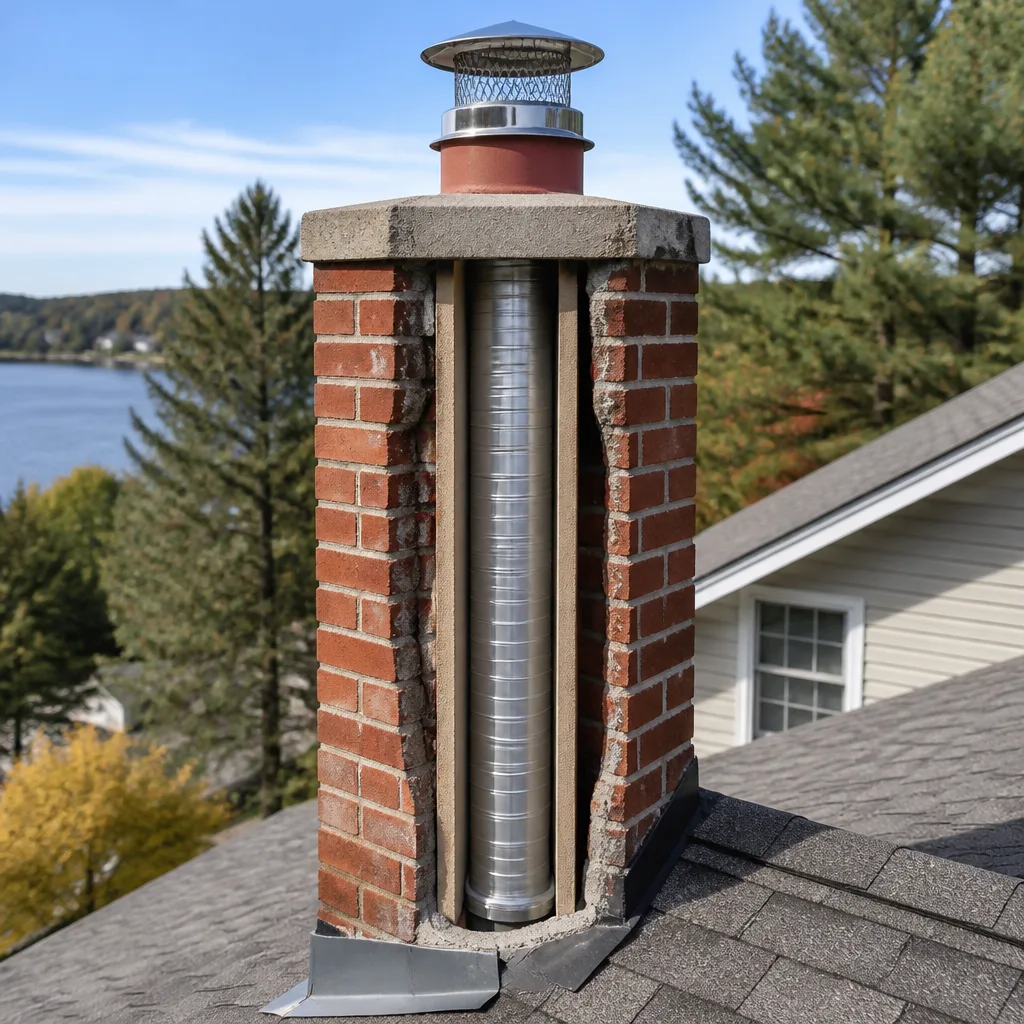 Flue relining
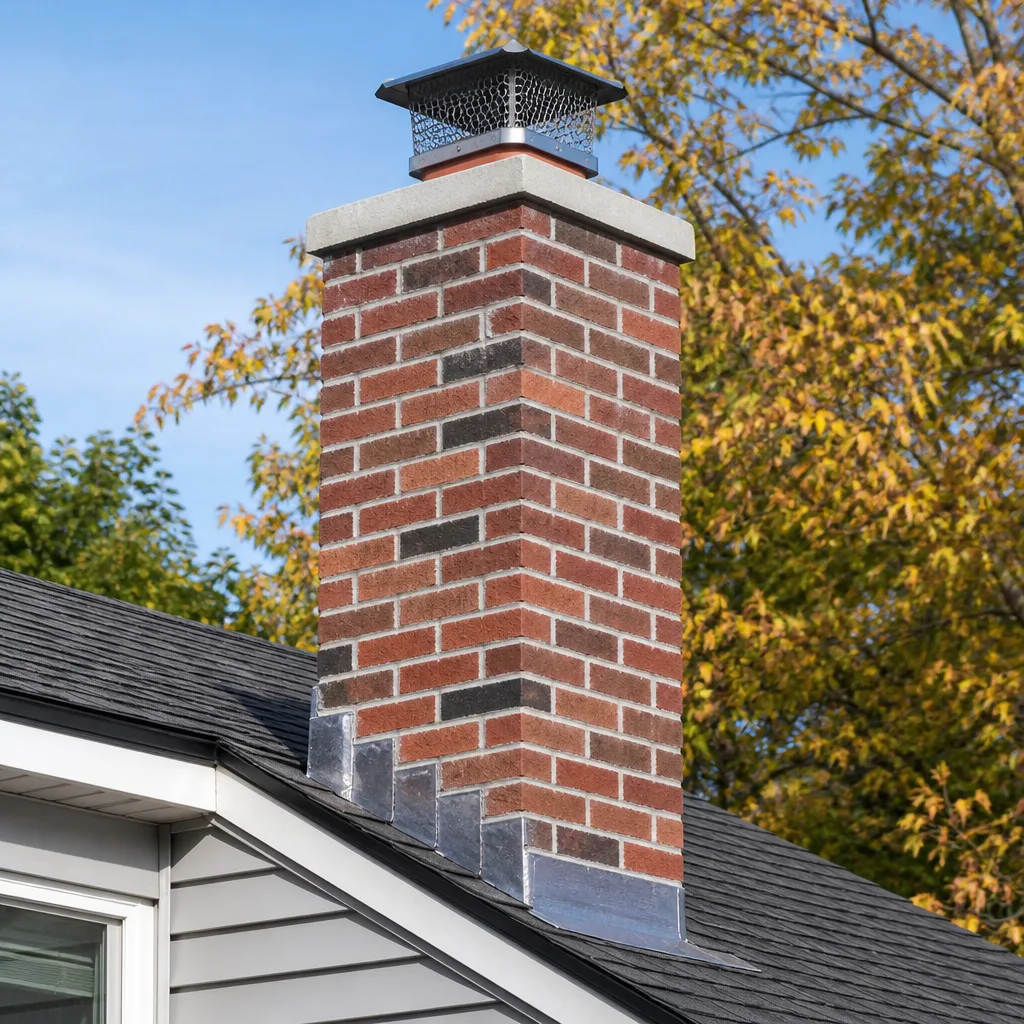 Masonry repair
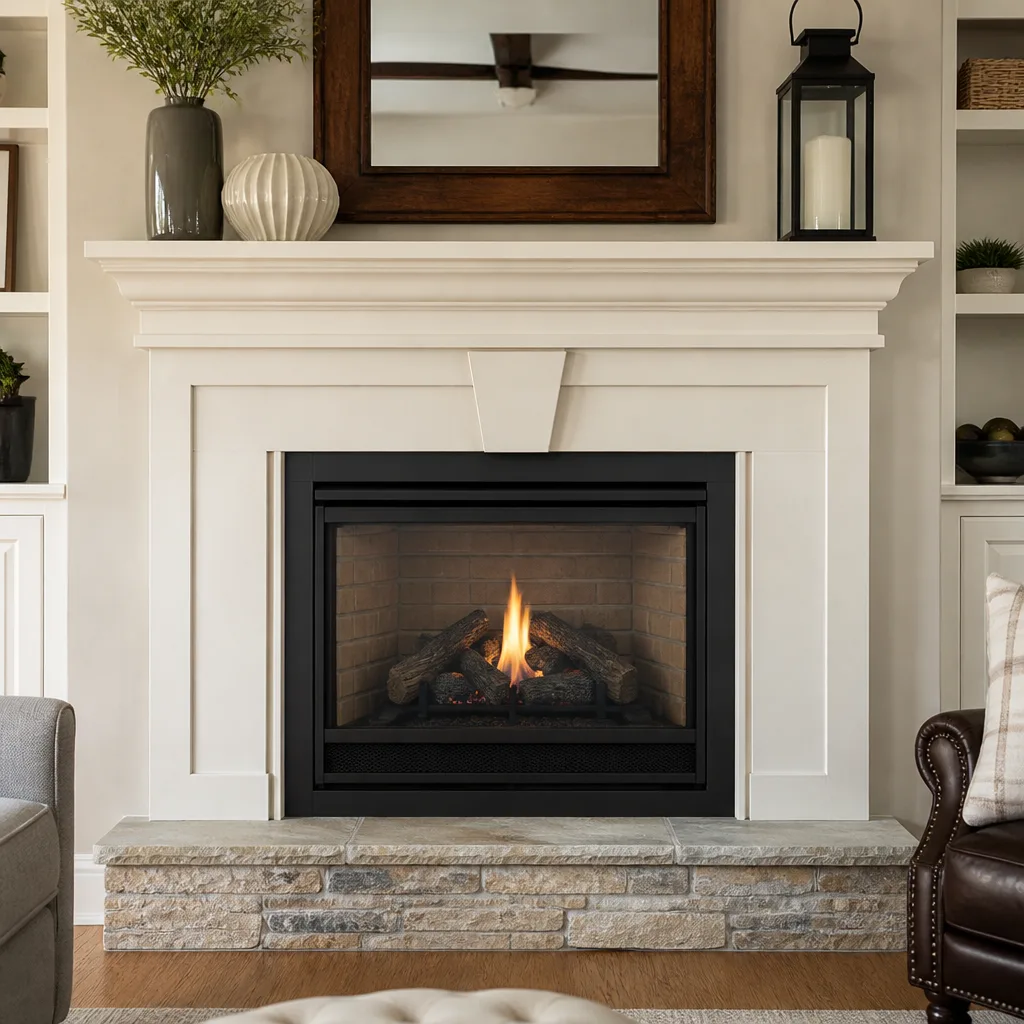 Gas fireplace service
Level 1 sweep and inspection to the NFPA 211 annual standard - flue, crown, cap, and flashing checked and photographed
Chimney sweep logs do not sweep chimneys. They loosen some creosote - which then falls where a brush and vacuum still have to collect it.
Chimney Cleaning Emergency Preparedness Guide for Jurupa Valley Homes
When a chimney fire starts, the sound is usually the first sign: a low roar, like a freight train or a jet engine, coming from inside the flue. Most homeowners lose 90 seconds reacting to that sound before they act on it. Those 90 seconds are the window where the right response makes a material difference. This guide covers both sides of chimney emergency preparedness for Jurupa Valley homes: what to do during an active chimney fire, and which pre-season steps prevent the conditions that create one. For Chimney Cleaning Warning Signs: A Jurupa Valley Homeowner’s Reference Guide and other resources, see our blog. You’ll learn the response protocol, the post-fire inspection requirements, and the specific ways Jurupa Valley’s wildland interface changes your risk profile.
Quick Answer
Chimney emergency preparedness in Jurupa Valley means knowing the active-fire response (close the damper, call 911, evacuate if the fire extends beyond the flue) and completing pre-season prevention steps (cap inspection, creosote assessment, damper seal check) before your first fire of the year. See our Chimney Sweep Maintenance Checklist for Jurupa Valley Homeowners for the full routine. A chimney fire of any size requires a professional Level 2 inspection with camera documentation before the fireplace is used again. Prepared homeowners respond in seconds, not minutes, and they don’t light a fire in a chimney that hasn’t been inspected since last season.
Styles & brands we work with
- Sweep & inspection
- Caps & crowns
- Flue relining
- Masonry repair
- Gas fireplace service
Table of Contents
- What to Do During an Active Chimney Fire
- What to Do After a Chimney Fire Before Relighting
- Jurupa Valley Wildland Interface: Why Your Chimney Cap Matters
- Pre-Season Emergency Prevention Checklist
- Liner Integrity After a Fire: What CCTV Inspection Actually Shows
- Common Mistakes to Avoid
- When to Call a Professional
- Frequently Asked Questions
What to Do During an Active Chimney Fire
Here’s the response protocol, in order of operations. We’re going to be specific about why the order matters, because doing these steps out of sequence can make a bad situation worse.
- Close the damper. This restricts oxygen flow to the fire inside the flue. A chimney fire feeds on air moving up through the firebox. Closing the damper chokes that supply. Do not open the firebox door, do not throw anything on the fire, and do not use water.
- Call 911. Do this second, not after you’ve tried to “wait and see.” Chimney fires in Jurupa Valley are reported to Cal Fire/Riverside County Fire Department. The dispatcher will ask whether the fire is contained to the chimney or has extended into the walls or attic. Be prepared to answer that.
- If you have a chimney fire suppression product (like Chimfex), deploy it only if the fire is still contained within the flue. These sticks work by consuming oxygen within the firebox. They are not a substitute for a 911 call. They buy time while the fire department responds.
- Evacuate if there’s any sign the fire has extended beyond the chimney structure. Cracking sounds from the walls, smoke from the attic, or visible flames at the roofline mean the fire is no longer contained. Get everyone out. Do not go back inside.
One detail that matters more than most people realize: you do not open the damper back up when the fire department arrives. The firefighters will make that call. Their priority is checking for extension into the chase and surrounding framing. In Jurupa Valley homes with older masonry chimneys, the mortar joints between flue tiles are a common point where chimney fires escape into wall cavities. The fire department knows this. Let them work.
What to Do After a Chimney Fire Before Relighting
After any chimney fire, the fireplace is out of service until a professional inspects it. Not a visual check. Not a flashlight peek. A Level 2 inspection with a camera pushed through the full length of the flue. Here’s what that inspection actually looks for, because we think homeowners deserve to know exactly what’s being examined.
A chimney fire burns at temperatures between 1,800°F and 2,500°F. That heat does specific, predictable damage to different chimney materials. The camera inspection is looking for:
- Cracked or separated flue tiles. Masonry flues are made of terra cotta tiles stacked with mortar joints. Chimney fire heat causes the tiles to crack, and the mortar joints to fail. Once that happens, the flue is no longer a sealed passage for smoke and heat.
- Collapsed or partially collapsed tiles. In severe cases, tiles break away and fall into the flue passage, creating an obstruction.
- Heat damage to the surrounding masonry. The chimney fire radiates heat outward through the brick. This can cause exterior cracks, spalling, or separation from the house structure.
- Warped or deteriorated metal components. Dampers, smoke shelves, and (if present) factory-built fireplace components all take direct thermal damage during a chimney fire.
- Failed liner systems. If the chimney had a stainless steel liner installed, the inspection checks for warping, seam separation, and perforation from the fire.
Here’s the critical point on liner integrity. DuraFlex stainless steel liner systems are built and tested to UL 1777, the standard for chimney lining systems. Part of that testing involves exposure to high-temperature fire conditions. That doesn’t make any liner fireproof – no chimney component is – but a listed liner that was properly installed gives you a documented performance baseline. Unlisted liners, or improvised liners, don’t have that. After a chimney fire, a listed liner can often be evaluated by camera and is sometimes salvageable. An unlisted liner of unknown origin is a replacement decision. That’s not marketing talk; that’s the practical difference between a product with a testing pedigree and one without.
If the Chimney Repair in Jurupa Valley inspection finds flue damage, the repair path isn’t a mystery. For cracked or separated flue tiles, HeatShield resurfacing compound can restore the interior surface of the flue without a full rebuild. HeatShield is a cerfied, tested flue resurfacing material designed for exactly this scenario – restoring chimney safety after thermal damage. In cases where the flue structure has collapsed, a DuraFlex stainless liner installed inside the existing chimney gives the home a completely new, sealed flue pathway.
Jurupa Valley Wildland Interface: Why Your Chimney Cap Matters
Jurupa Valley sits in a specific fire-risk geography. The city’s wildland-urban interface zones – areas where residential development meets undeveloped vegetation – stretch along the base of the Jurupa Hills and into the upper elevations of the city. Homes in these zones face a different standard of chimney preparedness than homes in the flatlands of Mira Loma or the older sections of Pedley.
Here’s the connection most homeowners never make: a deteriorated or missing chimney cap turns your fireplace into an ember emitter. During a fire, the hot gases rising through the flue carry burning particles – embers – up and out the top of the chimney. A properly sized and installed chimney cap with spark arrestor mesh catches those embers before they leave the flue. A missing cap, or a cap with corroded, torn mesh, lets them exit. Those embers can travel. In the Santa Ana wind conditions that Jurupa Valley experiences every fall, an ember from a chimney fire or even a normal fire can land in dry grass or brush hundreds of feet from the house. That’s a wildfire ignition source that starts on your roof.
The pre-season cap inspection isn’t optional for homes in the wildland interface. Look for:
- Mesh size and condition. Spark arrestor mesh should be intact, with openings no larger than 5/8 inch. Torn or rusted mesh defeats the purpose.
- Proper fit. The cap must sit securely on the flue crown. A loose cap can shift, creating gaps where embers escape.
- Flue crown condition. The concrete crown that seals the top of the chimney structure cracks over time. Water gets in, freeze-thaw cycles widen the cracks, and chunks of crown break away. A compromised crown is a structural problem that also affects cap stability.
If you’re burning regularly in a Jurupa Valley home near the hills, we recommend a cap inspection as part of your Chimney Sweep in Jurupa Valley before the first fire of the season. It’s not a separate service call. It’s part of the sweep.
Pre-Season Emergency Prevention Checklist
Most chimney emergencies are preventable. That’s not reassurance; that’s a statement about how chimney fires actually start. A chimney fire requires creosote accumulation, high flue temperatures, and oxygen. If you control the creosote, you’re removing the fuel source. Here’s the pre-season go/no-go checklist we use for Jurupa Valley homes before the first burn of the season.
- Creosote level assessment. Creosote is the combustion byproduct that condenses on flue walls. It’s black, tarry, and highly flammable. Stage 1 creosote is a light dusting. Stage 2 is a flaky, crunchy deposit. Stage 3 is a thick, glazed, tar-like coating. Stage 3 creosote is a chimney fire waiting for a hot fire. If you can scrape it with a fingernail and it feels like hard tar, do not light the fireplace. The flue needs professional cleaning before any use.
- Cap and spark arrestor condition. As covered above. Missing, torn, or loose caps are a no-go for wildland interface homes.
- Damper seal check. A damper that doesn’t close fully pulls warm air out of the house all winter and, more importantly, allows air movement through the flue that can carry embers upward. The damper should seat fully with no visible gaps. If it’s warped or stuck, it’s a repair item, not a “close enough” item.
- Clearance from combustibles check. This means the area around the fireplace on the interior, and the area around the chimney on the exterior. Firewood should not be stacked against the fireplace face. Furniture should be at least 36 inches from the firebox opening. Outside, tree branches overhanging the chimney should be trimmed back at least 10 feet. In Jurupa Valley’s eucalyptus-heavy neighborhoods, this is a year-round maintenance item, not a once-a-year thing.
- Smoke test. With the damper open, light a small piece of newspaper and hold it in the firebox. The smoke should draw up the flue. If it spills back into the room, you have a draft problem – which could mean a blocked flue, a damper issue, or a cap obstruction. Do not build a real fire until that’s diagnosed.
This checklist takes 20 minutes and it’s the difference between a safe burn season and a 911 call. If you’d rather have it done by someone who does this every day, Chimney Sweep Jurupa Valley home inspections include all of these checkpoints as standard procedure. We don’t treat them as add-ons.
Liner Integrity After a Fire: What CCTV Inspection Actually Shows
We already covered this briefly in the post-fire section, but it’s worth going deeper because liner failure is the most consequential outcome of a chimney fire, and it’s also the one most homeowners have never heard of until they’re told they need a $4,000 repair.
A Level 2 chimney inspection uses a video camera on a flex rod that’s run through the full length of the flue. The technician watches a live feed and records the footage. The camera shows:
- The interior surface condition of the flue tiles – cracks, spalling, glazing, or tile separation.
- The mortar joints between tiles – erosion, failure, or complete washout.
- The smoke chamber and smoke shelf – the area just above the damper where turbulence concentrates creosote and where fire damage often shows first.
- The connection between the flue and any appliance – for inserts or stoves, the point where the appliance connector enters the flue is a common failure point after a fire.
In our experience in Jurupa Valley, we see a split in outcomes based on chimney age and construction type. Homes built in the 1970s through the 1990s, especially in the older sections of Pedley and Glen Avon, typically have masonry chimneys with terra cotta flue liners. Those liners have a service life, and a chimney fire usually ends it. Homes built in the last 20 years, especially in newer developments closer to Eastvale, are more likely to have factory-built fireplaces with pre-engineered metal flue systems. Those systems have different failure modes after a fire – typically warping or seam separation rather than tile cracking.
Here’s where material matters. If the post-fire inspection determines that the flue needs full relining, we install DuraFlex stainless steel liner systems. DuraFlex is a listed product tested to UL 1777. We name that because it’s specific: you should know what’s going into your chimney, and you should be able to look up what UL 1777 means. A lot of sweeps quote “a new liner” without telling you who makes it. That’s the difference between a material-level quote and a hand-wave.
For flue damage that hasn’t progressed to total failure – cracked tiles but the chimney structure is still sound – HeatShield is our go-to restoration material. HeatShield is a cerfied flue resurfacing compound that’s applied as a coating to the interior flue walls, restoring a smooth, sealed passage without the invasive work of chimney teardown. It’s a restoration-grade solution, and it’s only available through trained applicators. Most sweep-only companies can’t offer it. We can.
Common Mistakes to Avoid
- Opening the damper during an active chimney fire to “let the fire breathe itself out.” A chimney fire is already breathing. Opening the damper feeds it more oxygen and accelerates the burn. Close it and leave it closed.
- Throwing water on the fire inside the firebox. Water creates steam, and steam carries burning creosote particles up the flue at high velocity. It also risks cracking hot masonry. Do not put water in a firebox during a chimney fire.
- Skipping the post-fire inspection because “the fire went out on its own.” The most dangerous chimney fires are the ones that burn small and slow, doing hidden damage that creates conditions for a bigger, structural fire months later. No inspection, no relight.
- Assuming the chimney cap is fine because it was fine last year. In Jurupa Valley’s dry heat and Santa Ana wind cycles, galvanized caps fail faster than most homeowners expect. Corrosion at the welds, mesh tearing at the edges, and rust-through at the base are all common after just a few seasons. Check it annually.
- Burning unseasoned wood to save money. Wet or green wood burns at lower temperatures, producing more smoke and dramatically more creosote condensation. In the long run, unseasoned wood costs more in chimney cleaning and repair than the savings justify. Burn wood that’s been split and dried for a minimum of 6 to 12 months.
- Treating the chimney and the dryer vent as unrelated maintenance items. They’re both combustion exhaust systems. A clogged dryer vent is a lint fire hazard that follows the same prevention logic as a chimney: remove the accumulation before it becomes fuel. We clean both because we’d rather have you make one call for the two systems in your house that most commonly burn low and slow until they don’t.
When to Call a Professional
Call a professional when: you’ve had a chimney fire of any size, even a small one; you haven’t had the chimney cleaned in more than a year and you’re using the fireplace regularly; you can’t remember the last time the cap was checked; you’ve noticed water stains on the ceiling near the chimney or on the firebox walls; you’re converting a fireplace from wood to gas or vice versa. These are all situations where the risks of guessing exceed the cost of an inspection.
Chimney Sweep Jurupa Valley offers free estimates in Jurupa Valley – call (866) 285-4905. We’re a Dryer Vent Cleaning in Jurupa Valley company too, so if you’re doing chimney prep before burn season, you can knock out the dryer vent in the same visit.
Frequently Asked Questions
Signs of a chimney fire include a loud roaring or crackling sound from the flue, visible flames shooting from the top of the chimney, dense smoke, and a strong, acrid smell. Afterward, you’ll typically find creosote flakes on the roof or ground around the chimney, and the flue interior will show a puffed, honeycombed creosote texture called “puffed creosote.” If you’re not sure whether you had a fire, call us for an inspection – the camera footage will tell the story.
A standard chimney sweep in Jurupa Valley typically runs between $180 and $340, depending on creosote level, roof access, and whether the chimney has been cleaned recently. If the inspection finds repair work – cracked tiles, a deteriorated cap, a failed damper – that’s a separate quote, and you’ll see the camera footage before you’re asked to approve anything. Call (866) 285-4905 for an exact quote on your chimney.
No. Even if the fire was small and self-extinguished, the flue has been exposed to temperatures that damage flue tiles and mortar joints. The only safe path is a Level 2 inspection with CCTV documentation. If the liner is compromised and you light another fire, the next fire can extend into the wall or attic through the cracked flue. This is the point where a $400 inspection prevents a structural fire.
If you burn wood, the chimney should be cleaned annually, or more frequently if you burn more than a cord of wood per season, burn unseasoned wood, or burn in a chimney that accumulates creosote quickly. The National Fire Protection Association standard is cleaning whenever creosote reaches 1/8 inch thickness, which for most wood-burning households corresponds to once per year. If you don’t burn often, an every-other-year cleaning with a visual check in between is usually sufficient. Call (866) 285-4905 to schedule a sweep, and we’ll tell you what we find during the cleaning.
A Level 1 inspection is a visual check of the accessible portions of the chimney, done during routine maintenance when nothing about the system has changed. A Level 2 inspection adds camera coverage of the full flue interior, and it’s required after a chimney fire, after a property transfer, or when you’re changing the fuel type. Level 2 is the standard we apply after any fire event.
Yes, and it’s not just about keeping rain out. In Jurupa Valley, the cap with spark arrestor mesh is your ember containment layer. Without it, a fire in your firebox can send burning particles up the flue and out into dry vegetation around your home. The cap also keeps birds and rodents out of the flue – nesting material is a chimney fire fuel source on its own.
The Bottom Line
Chimney emergencies in Jurupa Valley are not random events. They follow from specific, identifiable conditions: creosote accumulation, deteriorated caps, cracked liners, clogged vents. Each of those conditions has a check – a pre-season inspection, a camera run, a cap replacement, a flue cleaning. The homeowners who avoid chimney fires are not luckier than the ones who don’t. They’re doing the maintenance that makes a fire much less likely. And if a fire does happen – 911, close the damper, evacuate, and don’t relight until a camera has verified the liner. That’s the whole playbook. It works.
Call (866) 285-4905 for a free estimate
Written by the team at Chimney Sweep Jurupa Valley, serving Jurupa Valley since 2015.
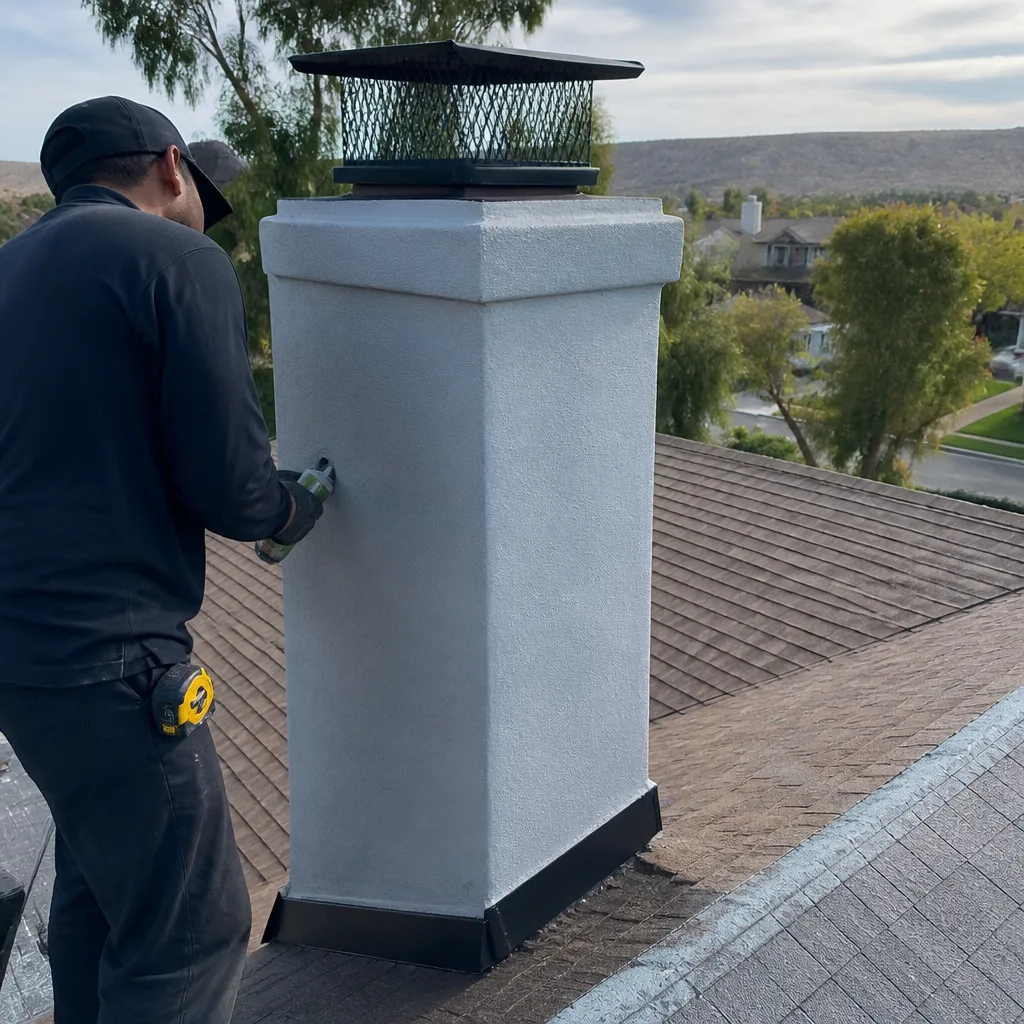
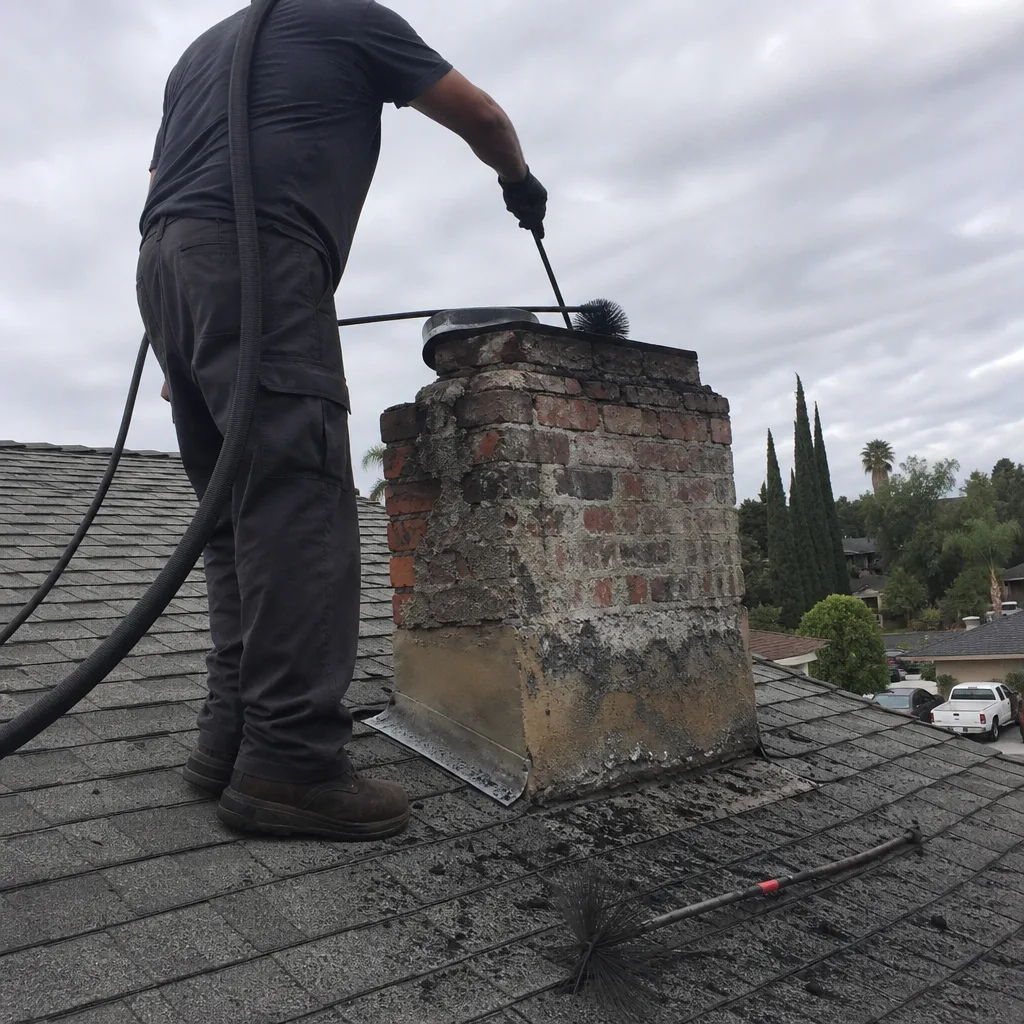
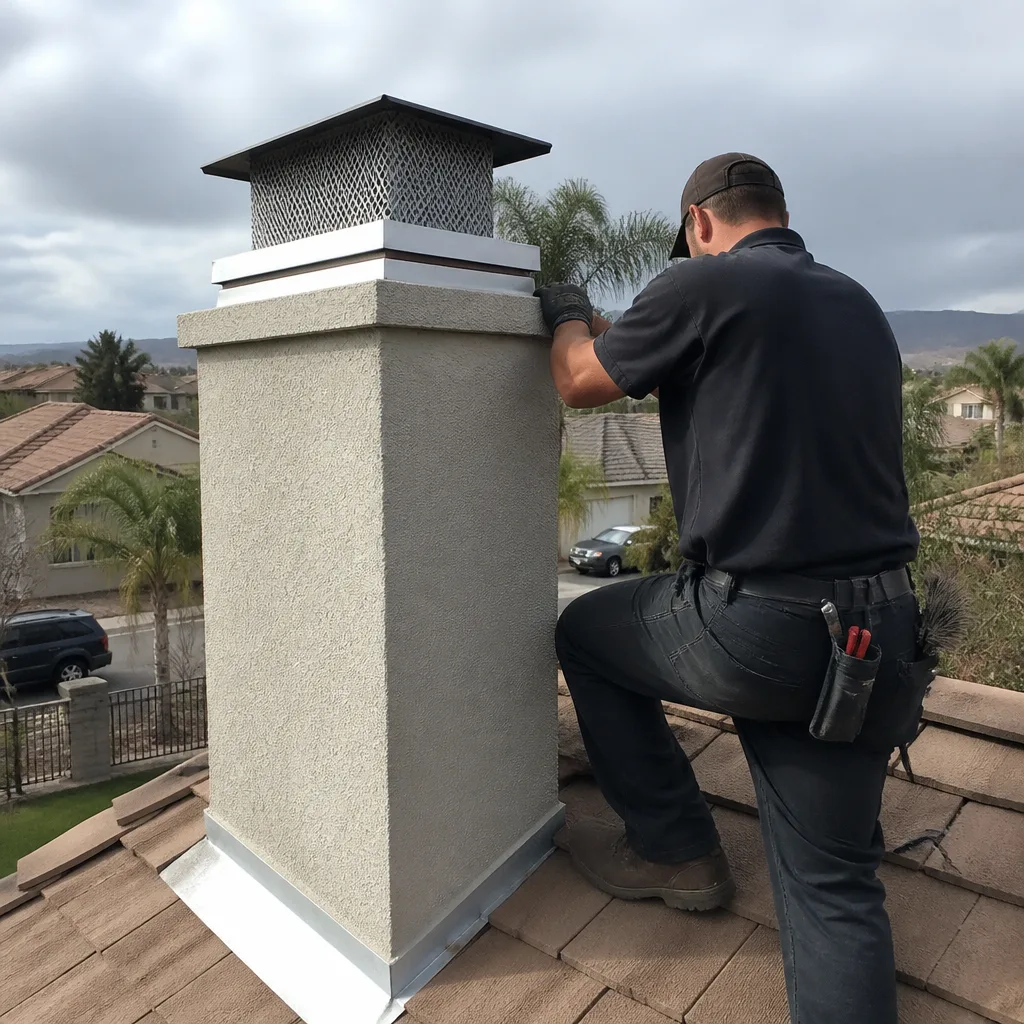
See the difference
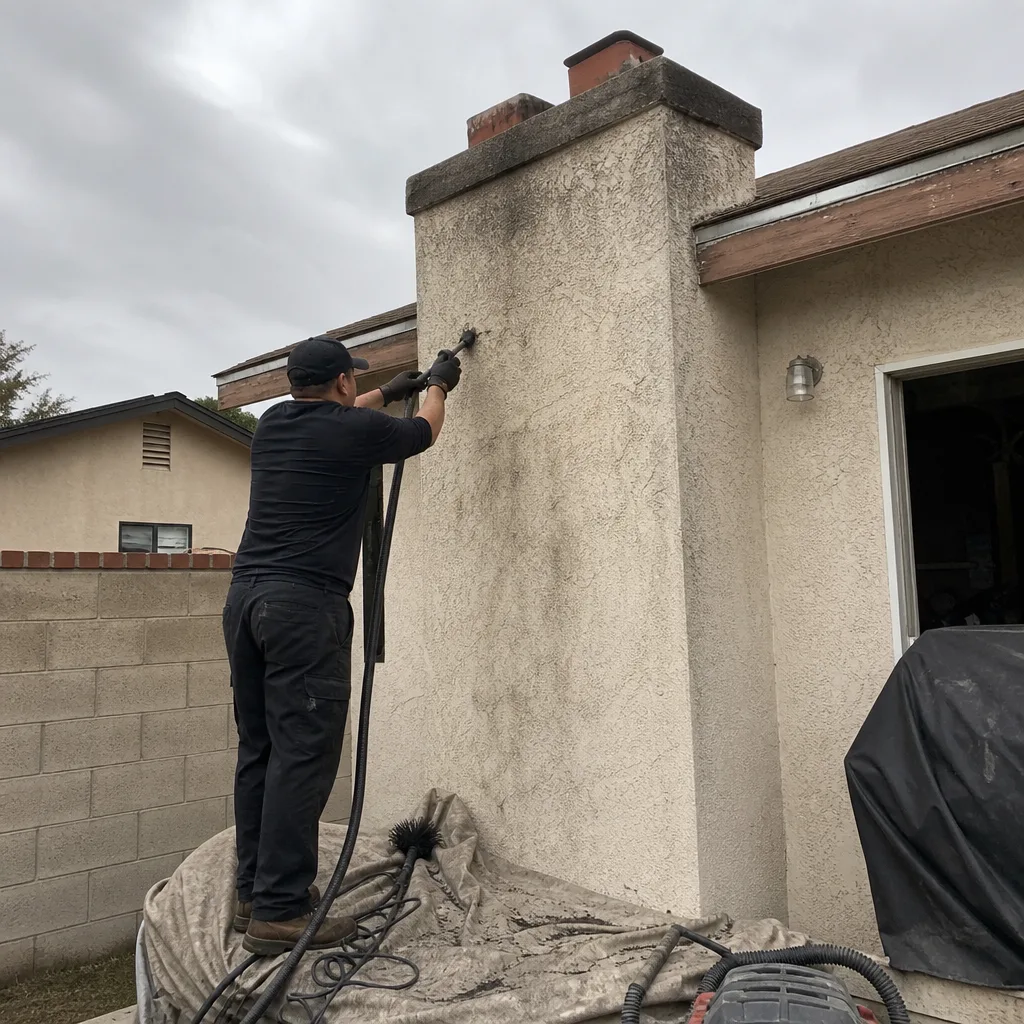 Before
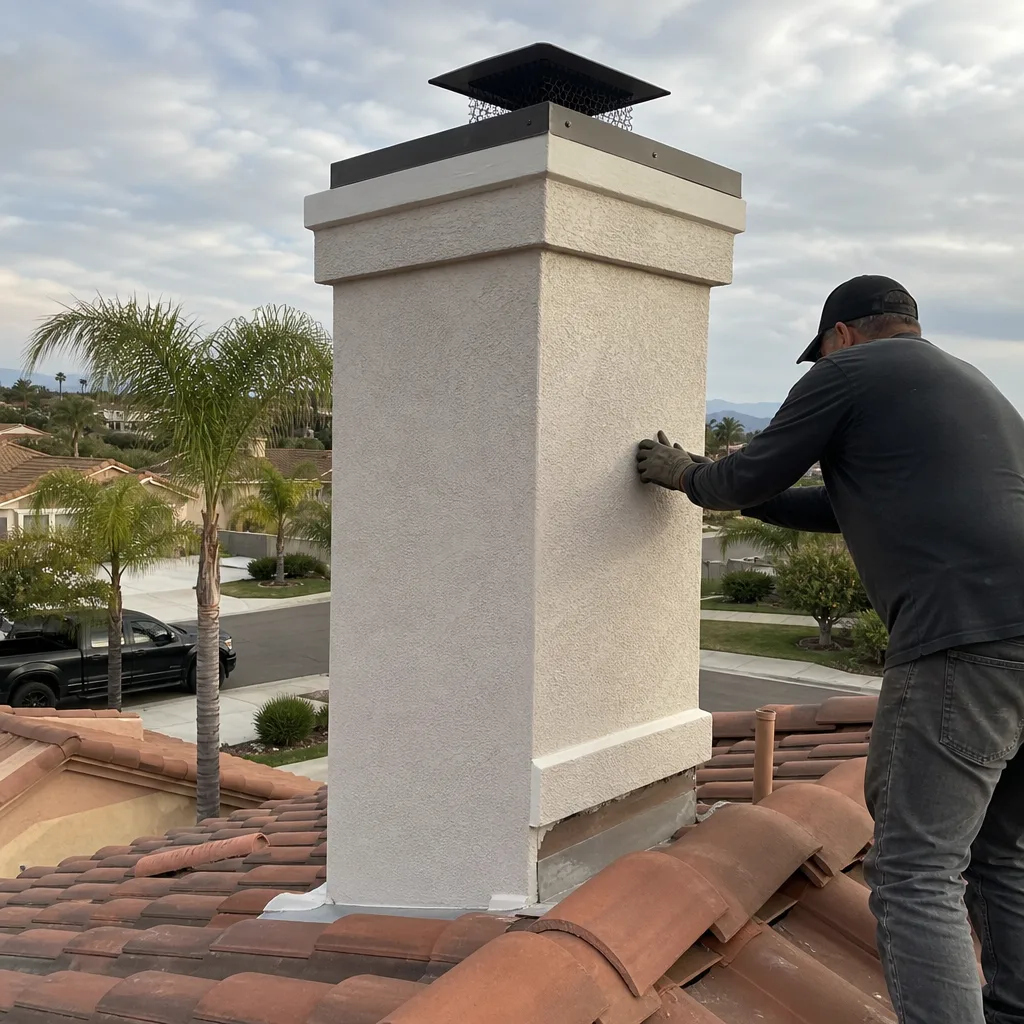 After
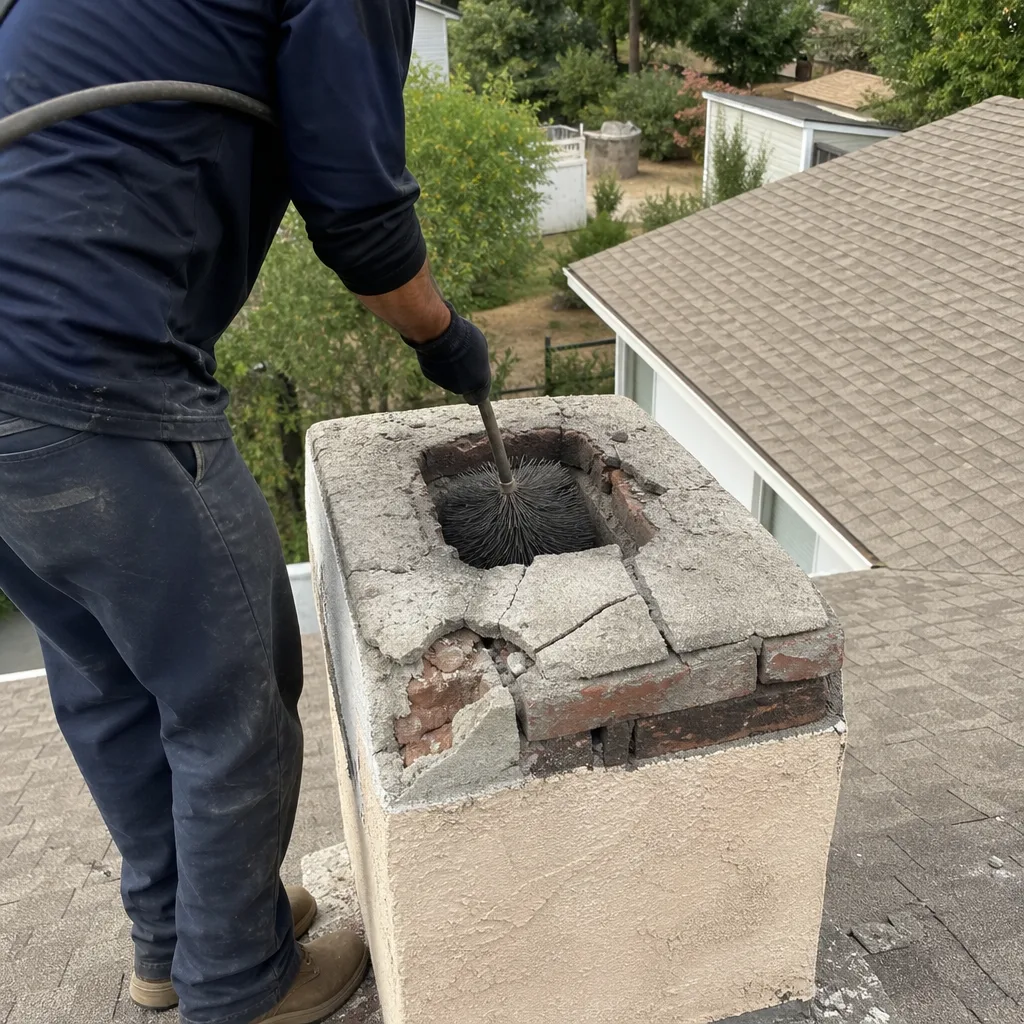 Before
 After
 Before
 After