
Last updated November 2, 2026
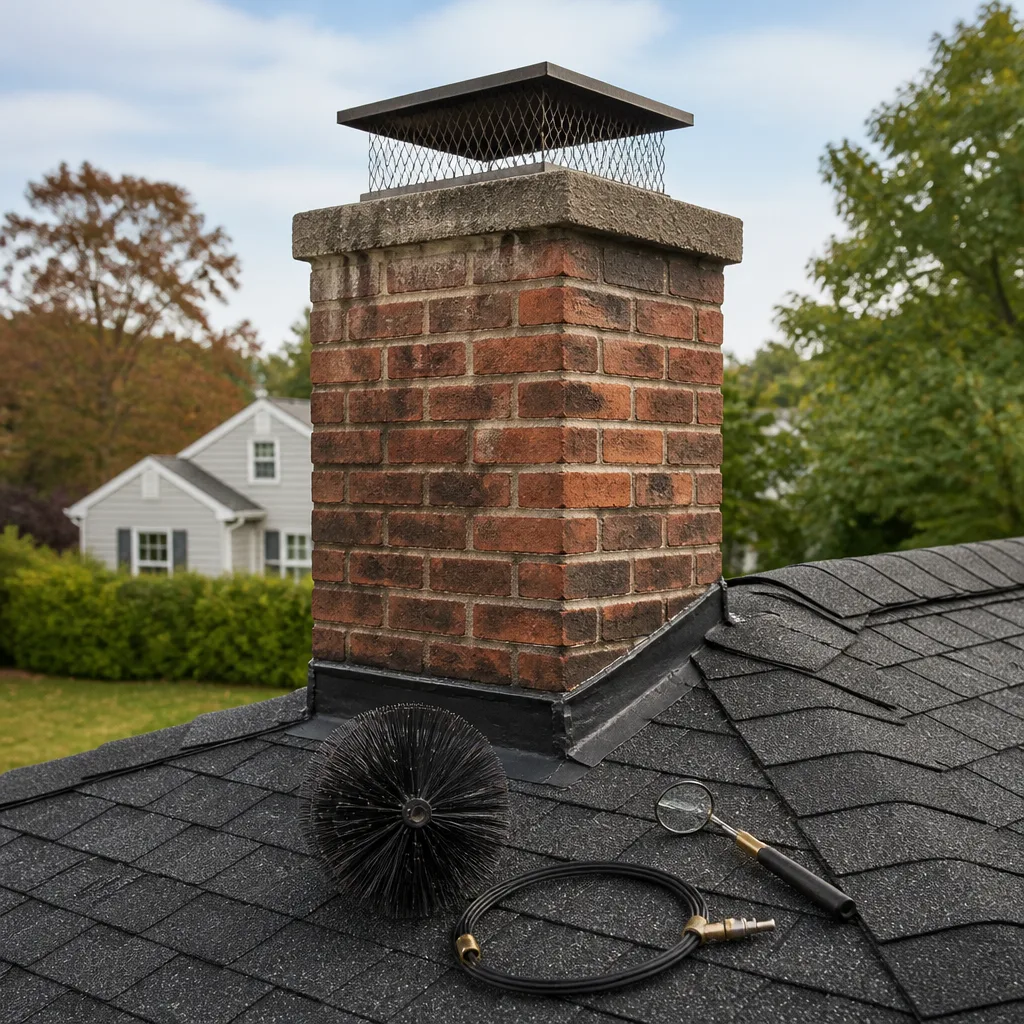 Sweep & inspection
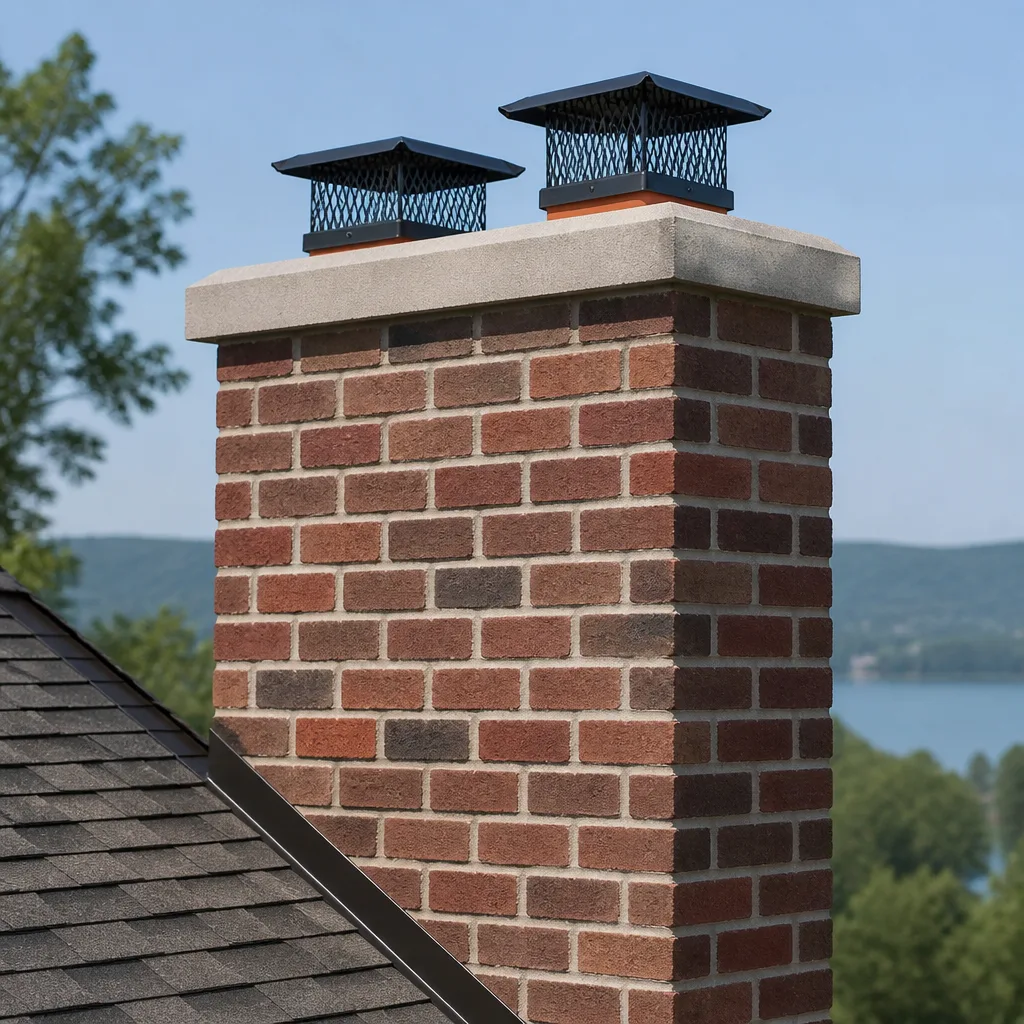 Caps & crowns
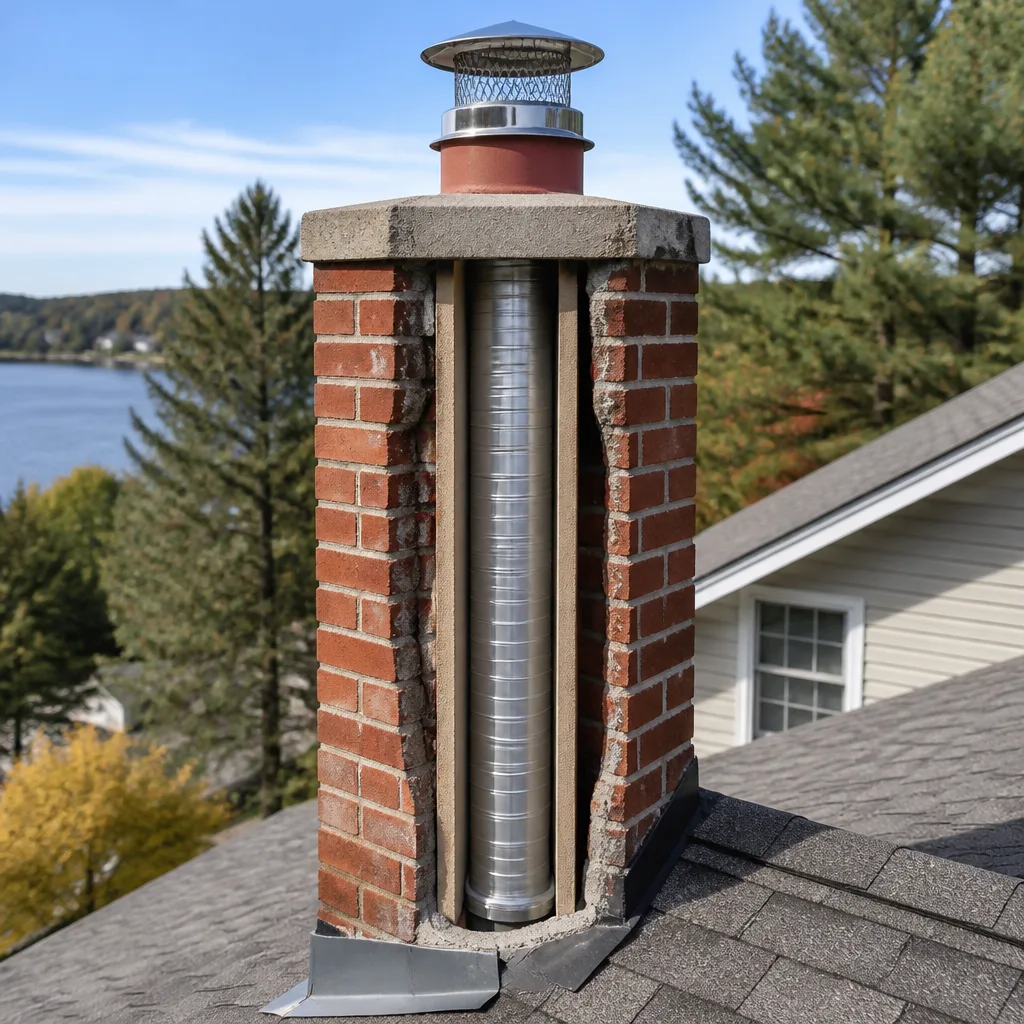 Flue relining
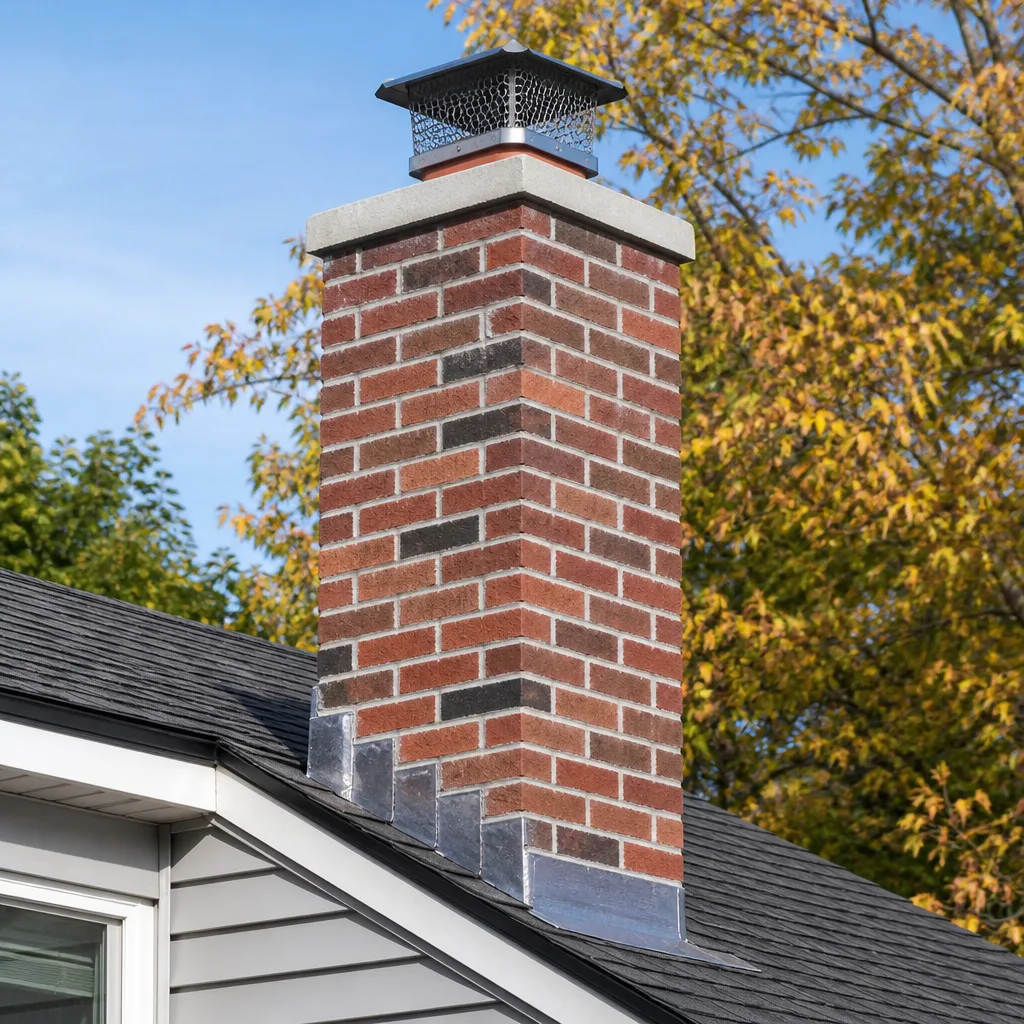 Masonry repair
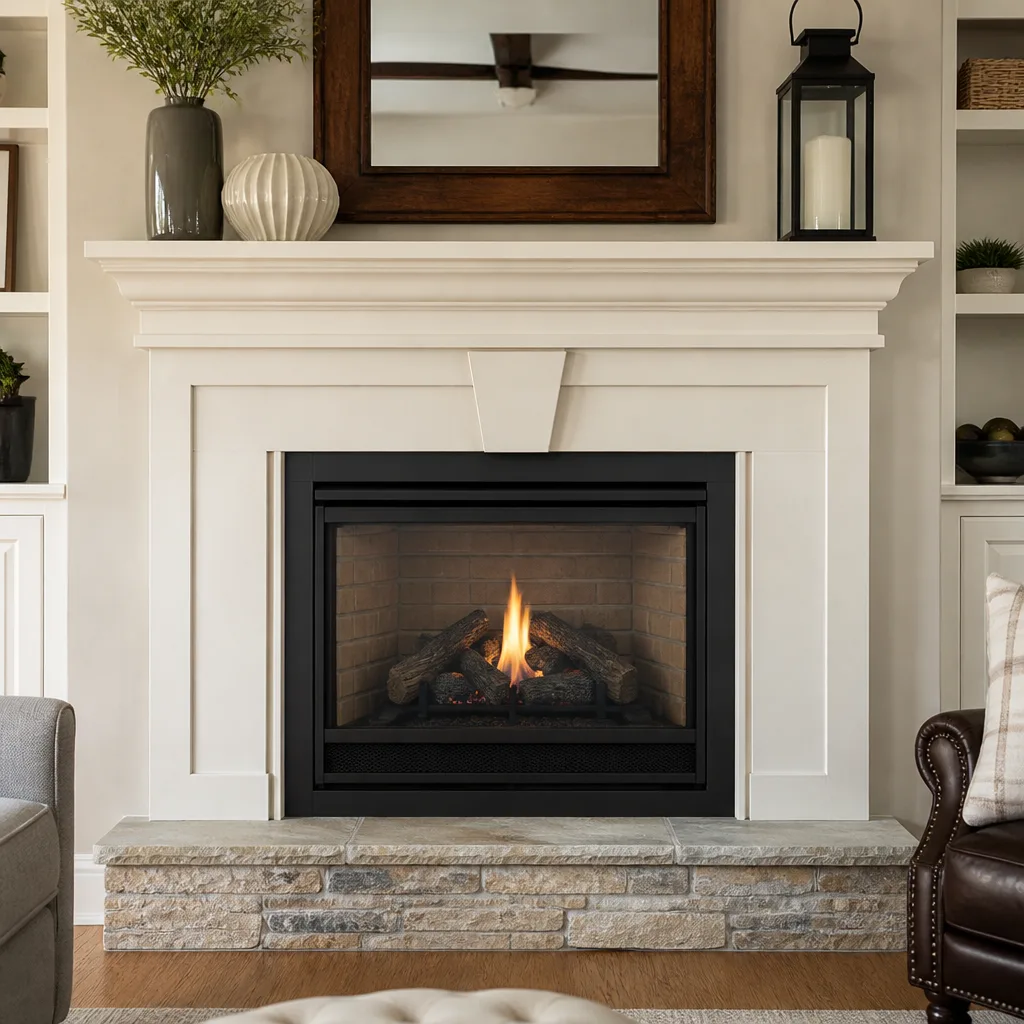 Gas fireplace service
Level 1 sweep and inspection to the NFPA 211 annual standard - flue, crown, cap, and flashing checked and photographed
Chimney sweep logs do not sweep chimneys. They loosen some creosote - which then falls where a brush and vacuum still have to collect it.
Chimney Sweep Maintenance Checklist for Jurupa Valley Homeowners
Here’s a statistic that should wake up every homeowner in Jurupa Valley: the three areas most inspectors fail during a real estate transaction are not the places you’ve been told to look. They’re the smoke shelf, the damper plate edge seal, and the flue tile joints where the chimney exits the roofline. Those three locations are where cracks hide, where heat escapes, and where insurance adjusters start asking hard questions after a chimney fire. This guide is a working checklist built around the specific ways chimneys fail in Jurupa Valley, where dry inland heat, occasional seismic activity, and seasonal-use patterns create failures that a generic Vermont cabin checklist would never catch. You’ll learn what to inspect monthly, what requires a professional camera, and how to document everything for your insurance file.
Styles & brands we work with
- Sweep & inspection
- Caps & crowns
- Flue relining
- Masonry repair
- Gas fireplace service
Quick Answer
A proper chimney maintenance checklist for Jurupa Valley homes has two tiers: a monthly homeowner inspection covering the damper seal, firebox interior, and exterior mortar joints, plus an annual professional sweep and camera inspection. The most common local failure points are earthquake-related hairline cracks in flue tile liners, damper plate edge seals dried out by inland heat cycles, and exterior crown mortar spalling from Riverside County’s low humidity and UV exposure. Any checklist worth following includes documentation for insurance purposes.
Table of Contents
- Exterior Checklist: Cap, Crown, Flashing, and Mortar Joints
- Upper Flue Checklist: Liner, Smoke Chamber, and Flue Tile Joints
- Lower Firebox Checklist: Damper, Smoke Shelf, and Firebox Floor
- Earthquake-Specific Crack Patterns in Jurupa Valley Chimneys
- Why Damper Seals Fail Faster in Inland Heat Cycles
- What a Homeowner Can Check vs. What Requires a Professional Camera
- How to Document Your Chimney Checklist for California Insurance Purposes
- Common Mistakes to Avoid
- When to Call a Professional
- Frequently Asked Questions
- The Bottom Line
Key Takeaways
- Monthly visual checks of the firebox and damper cost nothing and catch most early-stage problems.
- Annual professional sweeps in Jurupa Valley should include a CCTV camera inspection, not just brushing.
- Earthquake-related flue tile cracks are common in Inland SoCal homes and often only visible with a camera.
- Damper plate edge seals degrade faster in Jurupa Valley’s heat cycles than in coastal or humid climates.
- Your chimney maintenance log is an insurance asset. Document everything with photos and dates.
Exterior Checklist: Cap, Crown, Flashing, and Mortar Joints
The exterior of your chimney is the first line of defense against water intrusion, and in Jurupa Valley, water intrusion is a slower-moving problem than in rainy climates. That’s actually what makes it dangerous. In a place that gets 10 inches of rain in a good year, homeowners don’t notice a failing chimney cap because the evidence, water stains on your ceiling, can take two or three seasons to appear. By then, the interior damage from even minor moisture is already done.
What to Check Monthly From the Ground
Stand in your yard with a pair of binoculars. You’re looking at four things from the ground.
- The chimney cap. In Jurupa Valley’s dry, windy conditions, spark arrestor mesh corrodes faster than anyone expects. Look for rust perforation, sagging mesh, or a cap that’s no longer seated level. A missing or damaged cap invites birds and debris into your flue during the months when your fireplace sits idle. In our experience, we’ve pulled everything from bird nests to tennis balls out of uncapped flues in homes across Jurupa Valley.
- The crown. The crown is the concrete slab at the very top of the chimney structure. In inland climates with zero freeze-thaw cycles, crowns still crack because the concrete shrinks over years of 100-degree summers and UV exposure. Hairline cracks become water channels. Look for cracks radiating outward from the flue liner, any visible separation, or spalling (chunks of concrete face breaking off).
- The flashing. Flashing is the metal sheet where the chimney meets your roofline. In Jurupa Valley’s afternoon winds, lifting and separation at the corners is common. Look for visible gaps, bent or curled edges, or old caulk lines that have pulled away from the brick.
- Mortar joints. On masonry chimneys, the vertical and horizontal joints between bricks or stones should be smooth and uniform. In Jurupa Valley’s dry climate, mortar breaks down from the outside in. If you can scrape out mortar with a screwdriver from the ground (or from a safe ladder), the joints need repointing before they become structural.
When to Look Closer
Any of the four conditions above warrants a closer look from someone who knows what they’re seeing. A Chimney Repair in Jurupa Valley technician can evaluate whether cosmetic cracks are actually water pathways. The critical difference is whether the crack penetrates the full depth of the crown or joint. Surface crazing is normal. A crack you can fit a nickel into is not.
The Jurupa Valley Moisture Problem Nobody Talks About
Riverside County’s occasional heavy El Niño winters matter. A crown with minor cracks may have shrugged off nine dry seasons. Then a single atmospheric river delivers three inches of rain in 48 hours, and that hairline crack becomes a fire hose into your chimney chase. Property managers with multiple rental units in Jurupa Valley should treat exterior chimney inspections as part of their fall preventative maintenance. The failure is rarely gradual once the interior gets wet. It shows up as one bad winter.
Upper Flue Checklist: Liner, Smoke Chamber, and Flue Tile Joints
The upper flue is the part of your chimney you cannot see without professional equipment. But there are things a homeowner can infer from visible clues. The transition point between your firebox and your flue liner, called the smoke chamber, is where turbulence, heat, and creosote deposition all peak in wood-burning systems. It’s also the most common place to find the kind of hidden deterioration that fails an inspection.
Understanding Your Flue Liner System
Your flue liner is the functional channel inside the chimney. In older Jurupa Valley homes, especially those built before 1980, the liner is usually stacked clay flue tile sections mortared at the joints. In newer installations or retrofit situations, homeowners often have a stainless liner system installed. When the liner fails, the chimney itself becomes part of the fire pathway, and that’s when house fires start in the framing around the chase.
What the Monthly Firebox Check Reveals About the Upper Flue
You can learn a surprising amount about the upper flue from inside the firebox. Here’s what to look for during your monthly inspection.
- White, chalky residue on firebox walls. This indicates moisture has entered the flue above and has mixed with creosote or mineral deposits. In Jurupa Valley’s dry climate, this residue almost always means a leak at the crown, cap, or upper flue joint.
- Creosote texture changes by season. If you burn primarily December through February, check the upper flue’s behavior during your first few fires each season. A fireplace that suddenly drafts poorly but worked fine last February often has a partial obstruction in the upper flue, a nesting animal, or a liner section that has shifted.
- Small pieces of flue tile in the firebox floor. If you find thin, flat clay fragments or sandy grit in the firebox floor that wasn’t there last month, you may have a flue tile cracking above. This is the single most important visual warning sign homeowners can catch. Document it with a photo and call a sweep.
The HeatShield Consideration
For homes where a camera inspection reveals deteriorated flue tile joints or minor cracking, restoration options matter. A basic sweep-only company will recommend a full liner replacement for conditions that may be restorable. Products like HeatShield are applied as a resurfacing compound to restore structural integrity to the existing flue tile. For Jurupa Valley homeowners with older masonry chimneys, a HeatShield application can extend the life of a clay tile liner by years, avoiding a full reline. The key is that the condition has to be evaluated with a camera first. You cannot know if resurfacing is appropriate without seeing the actual flue surfaces.
Lower Firebox Checklist: Damper, Smoke Shelf, and Firebox Floor
The lower firebox area is where most homeowners’ attention naturally falls, and that’s reasonable. It’s the one part of the chimney you can see every day. But most Jurupa Valley homeowners only look at the firebox floor and the damper hardware. They ignore the complete smoke shelf and the damper plate edge seal, and those are the two places where invisible problems incubate.
The Smoke Shelf Check
The smoke shelf is the horizontal or concave ledge located behind the damper, roughly at the transition point where the firebox narrows into the smoke chamber. Its function is to catch falling debris and create a still-air pocket that prevents downdrafts. But in a wood-burning fireplace that sees light seasonal use, the smoke shelf becomes a collection point for creosote flakes, small animal debris, and soot that hasn’t been fully cleared by previous cleanings.
Here’s the honest truth: a homeowner cannot see the smoke shelf properly. You can feel around the front edge with a gloved hand and a mirror, but the shelf extends behind the damper assembly where your line of sight ends. What you’re looking for in an annual professional inspection is whether the shelf is accumulating creosote faster than the previous year. A rapidly growing creosote deposit on the smoke shelf is a warning sign of incomplete combustion in the upper flue, often caused by restricted airflow from a partially blocked chimney cap.
The Damper Plate Edge Seal Check
We’re going to address the damper seal problem separately in a dedicated section below because it deserves more attention than a checklist item. For now, the monthly check is this: close the damper completely and hold your hand near the frame edges. In winter, you should feel zero air movement. If you feel any draft at all, the damper plate is not sealing against its frame. That’s not a hardware problem; that’s an edge-seal failure. More on this in Section 5.
The Firebox Floor and Wall Check
Firebox floors in Jurupa Valley homes tend to last longer than those in colder climates because fireplaces are used seasonally, not daily. But the heat cycling still matters. Look for these specific conditions.
- Floor brick or refractory panel cracks wider than a credit card. This indicates thermal stress from years of intermittent hot fires.
- Wall panels that have shifted. A firebox panel that has moved even a quarter inch indicates the metal wall anchors may have loosened.
- White mineral staining at the back wall. This almost always means water has entered from above and is traveling down the back of the firebox.
For homeowners who burn regularly, the firebox surfaces are rated for high heat exposure. But periodic visual checks with a flashlight matter because firebox deterioration directly correlates with increased risk of chimney fires. A Chimney Sweep in Jurupa Valley should evaluate any crack pattern that’s new or expanding between annual service visits.
Earthquake-Specific Crack Patterns in Jurupa Valley Chimneys
Jurupa Valley sits in the Inland Empire seismic zone, roughly 15 miles from the San Jacinto Fault and within the broader influence of the San Andreas system. What most homeowners don’t understand is that earthquake damage to chimneys doesn’t always present as collapsed masonry or visible exterior cracks. The most common damage pattern in older homes with clay tile liners is interior flue tile separation that no one notices until a chimney inspection reveals it.
How Shear Forces Affect Flue Tile Liners
During seismic events, different parts of a masonry chimney move at slightly different rates. The chimney structure is essentially a tall, rigid column anchored to a building that’s flexing. The clay flue tiles inside the chimney experience shear forces concentrated at their mortar joints. The joints are the weakest point in the tile liner system, not the tiles themselves.
What results is a specific crack pattern: horizontal or stair-step fractures at flue tile mortar joints, typically starting at the mid-height of the chimney and progressing upward. From the firebox, this pattern is invisible. From a professional CCTV inspection, it’s unmistakable. The camera sees joint separations, offset tiles that have shifted by a fraction of an inch, and sometimes tile sections that have rotated out of alignment.
What to Check After Any Felt Earthquake
Jurupa Valley residents feel small earthquakes several times per year. Most of these tremors cause no chimney damage. But there’s a post-earthquake checklist every homeowner should follow for structures built before 1990.
- From the ground, check for new exterior cracks. Look specifically for stair-step patterns that follow the mortar joints rather than cutting through bricks. Stair-step cracking is the classic seismic signature.
- Check for visible dust in the firebox. After a felt earthquake, inspect the firebox floor for clay dust or small tile fragments that may have rained down from the flue above.
- Listen during your next fire. After any seismic event, pay attention during your next burn. A chimney that suddenly sounds different, creates an odd draft, or produces an unusual amount of smoke may have sustained internal flue damage.
- Consider a camera inspection after magnitudes above 4.5. If Jurupa Valley experiences a quake you can feel strongly, and your chimney is older masonry with a clay tile liner, a professional camera inspection is the only way to verify the flue is still intact.
For homes that have already had flue liner issues, the same seismic forces that crack clay tiles also affect mortar joints between chimney bricks. A Chimney Sweep Jurupa Valley home inspection should include both interior and exterior evaluation after significant seismic activity.
Why This Matters for Jurupa Valley Specifically
The Inland Empire’s seismic exposure is different from Los Angeles or Orange County in one important way: soil composition. Jurupa Valley’s alluvial soil, deposited by the Santa Ana River system, amplifies certain seismic wave frequencies differently than the coastal basins. Local building departments require specific structural anchoring for chimneys in new construction, but thousands of older homes predate those codes. If your home was built before 1990, it may not have the seismic anchoring that current Riverside County building codes require.
Why Damper Seals Fail Faster in Inland Heat Cycles
Jurupa Valley’s climate creates a specific maintenance problem that homeowners in other regions rarely experience: damper plate edge seals fail from heat cycling, not from mechanical wear or use. This is a problem our team sees regularly in Jurupa Valley because the temperature swings are more extreme than in coastal communities.
The Failure Mechanism
Your damper plate is a metal flap that closes against a metal frame. The edge seal is the material or tight metal-to-metal contact that creates an airtight barrier when the damper is closed. In Jurupa Valley, summer rooftop temperatures on a chimney can exceed 140 degrees. Winter temperatures can drop into the 30s at night. That’s a 100-degree annual swing, repeated hundreds of times across years.
Metal expands when heated and contracts when cooled. A cast iron or steel damper plate that fits tightly in winter will fit slightly differently in summer. Repeated expansion and contraction cycles at the hinge points and frame edges gradually distort the metal. The result is a damper that still opens and closes mechanically, but no longer seals completely along its perimeter. The hardware works. The seal fails.
What a Failed Damper Seal Costs You
A damper that leaks even a small amount of air has three concrete costs for a Jurupa Valley homeowner.
- Conditioned air loss year-round. Your damper is the largest intentional opening in your home’s thermal envelope when the fireplace is not in use. A leaking damper means your AC-cooled air exits through the chimney all summer and your heated air exits all winter.
- Energy cost increases. The exact dollar figure varies by system and utility rates, but any HVAC specialist will tell you a leaking damper is a significant contributor to higher heating and cooling costs, especially for single-story Jurupa Valley ranch homes where the chimney is centrally located.
- Downdraft aggravation. A damper that doesn’t seal properly allows outside air to enter the flue even when closed, creating pressure differentials that can push fireplace odors into your living space during windy periods.
The Monthly Damper Edge Check
Here’s a five-minute test you can do any day of the year. Close your damper completely. Hold a flashlight near the frame edge from inside the firebox, angled across the damper plate. If you see any light leaking around the plate edge from above, you have a seal failure. Another method: light a stick of incense and hold it near the closed damper frame. If the smoke wavers or gets pulled upward, air is moving through the seal.
For homeowners in Jurupa Valley’s hotter months, this check matters even if you never use the fireplace. A damper that leaks in July is costing you AC efficiency. A Chimney Repair in Jurupa Valley technician can evaluate whether the seal can be restored through adjustment or whether the damper assembly needs replacement. In many cases, the fix is simpler than homeowners expect, but it requires getting eyes on the actual seal condition.
What a Homeowner Can Check vs. What Requires a Professional Camera
This is the section where most chimney maintenance checklists fail. They either tell homeowners to inspect things they cannot possibly see, or they imply that a simple visual check from the firebox is sufficient. Neither is true. Your chimney has two inspection tiers: the monthly homeowner tier and the annual professional tier. Mixing those up creates either false confidence or missed problems.
Tier 1: The Monthly Homeowner Visual Check
Here is the complete list of what a motivated homeowner can meaningfully check from the firebox and ground without professional equipment, ladders beyond a safe step stool, or technical training.
- Firebox floor and walls: full visual inspection with a flashlight, looking for cracks, gaps, or debris that wasn’t there previously.
- Damper edge seal: the light test or incense test described in Section 5.
- Damper hardware: open and close the damper fully. Check that it seats properly, opens to the correct position for burning, and doesn’t bind.
- Chimney cap from the ground: using binoculars, check for visible damage, rust, or loose seating.
- Exterior brick and mortar from the ground: scan the chimney exterior for new cracks, stains, or material loss.
- Flashing from the ground: check for visible lifting in windy conditions.
That’s the full list. If you’re not on a roof, and you’re not using a camera, anything else is outside the homeowner tier.
Tier 2: The Annual Professional Inspection
These are the items that require professional evaluation, and in most cases a CCTV camera system specifically designed for chimney inspection.
- The smoke shelf in full: the camera sees what your hand and mirror cannot.
- The entire flue liner length: all clay tile joints, stainless liner seams, and transition points.
- The smoke chamber: the interior surfaces, not just the lower edges.
- The upper chimney crown: from the rooftop, evaluating the full surface condition.
- Any earthquake-related concerns: post-tremor interior evaluation.
For Jurupa Valley homeowners, the annual professional inspection is where the real value lives. A proper sweep is not just brushing soot from the firebox. It’s a diagnostic pass through the entire system with documentation. Our team’s annual Chimney Sweep in Jurupa Valley service includes camera documentation so you can see the inside of your flue before and after cleaning. You should never be told work is needed without visual evidence you can review yourself.
How to Document Your Chimney Checklist for California Insurance Purposes
California’s wildfire insurance market has changed significantly over the past decade. Jurupa Valley homeowners may not live in the highest-risk wildfire zones, but insurance carriers across Riverside County are applying more scrutiny to fire-related maintenance items. Your chimney maintenance log is one of the simplest defensive documents you can create, and most homeowners never do it.
What California Insurers Look For
Insurers generally want evidence that a maintenance system exists, not that every month was logged perfectly. What they’re guarding against is a homeowner who fires up a wood-burning fireplace after five years of neglect and then files a claim for a chimney fire. A maintenance log demonstrates the opposite pattern.
The Documentation System That Works
- Start with a professional inspection. If you don’t have a recent evaluation, get one. A Chimney Sweep in Jurupa Valley inspection report with photos becomes the baseline record for your chimney’s condition.
- Create a simple log. A spiral notebook or digital note file works fine. Record the date, what you checked, what you found, and any action taken.
- Photograph anything notable. If you see a new crack, a water stain, or flue tile fragments in the firebox, photograph it with your phone before you clean it up. That photo becomes evidence.
- Keep professional service records. Every annual sweep, every repair, every camera inspection should be documented in your file. The service report from a professional sweep is stronger evidence than your own log.
- Note any seismic events you felt. After any earthquake you notice, log the date and the fact that you completed a post-quake visual check. If you later call for a professional inspection, note that too.
What This Does for You
When a homeowner files a chimney fire claim, the insurer’s first question is whether the chimney had been maintained. A documented maintenance history changes that conversation completely. Instead of a homeowner trying to explain why they never had the chimney swept, you’re a property owner who has demonstrable, dated evidence of regular maintenance. For property managers overseeing multiple rental units in Jurupa Valley, this documentation is also part of your liability defense. If a tenant reports a chimney problem and it’s not addressed, your maintenance log is part of the paper trail.
Common Mistakes to Avoid
- Checking only what the firebox shows. The firebox is the tip of the iceberg. Most Jurupa Valley chimney problems originate in the upper flue where you cannot see, and checking only the visible areas creates a false sense of security.
- Assuming a damper that “works” still seals. The mechanical function of open-and-close is separate from the edge seal performance. In Jurupa Valley’s heat cycles, dampers fail the seal test years before they fail the mechanical test.
- Waiting to see smoke or soot problems before scheduling a sweep. By the time creosote buildup is visible from the firebox, it’s already advanced in the upper flue. Annual sweeps are preventative precisely because the upper flue warning signs don’t reach the firebox early.
- Ignoring the dryer vent because the chimney looks fine. Your clothes dryer vent is the other fire-hazard maintenance item in the home. Jurupa Valley’s dry air doesn’t reduce lint accumulation it makes existing lint more dangerous as a fuel source. A Dryer Vent Cleaning in Jurupa Valley should be part of the same maintenance cycle.
- Documenting nothing. A chimney log with three entries is better than a perfect memory. If you ever need to file a claim, dated documentation is what insurers and adjusters respond to.
- Hiring a sweep based on price alone. A sweep that doesn’t use a camera is doing half the job. In Jurupa Valley, where earthquake damage and hidden flue deterioration are the primary concern, camera documentation is not optional.
- Assuming a new-looking home has a good chimney. Builders’ grade fireplaces and chimneys in newer Jurupa Valley subdivisions often have prefabricated systems that deteriorate on a different timeline than masonry. A 15-year-old prefab chimney can be in worse condition than a 40-year-old masonry one.
When to Call a Professional
Certain findings demand professional attention rather than another month of watching. If you find flue tile fragments in your firebox, schedule a camera inspection that week. If you see water staining on the firebox walls or ceiling near the chimney, water is entering from somewhere and every week of delay increases repair scope. If you’ve felt a significant earthquake and your chimney is older masonry with a clay tile liner, the only way to verify internal condition is a professional inspection. If your damper fails the seal test, the energy loss is costing you money every month it goes unrepaired. Chimney Sweep Jurupa Valley offers free estimates throughout Jurupa Valley. Call (866) 285-4905 to schedule an evaluation, and we’ll tell you honestly what needs attention now and what can wait.
Frequently Asked Questions
A standard chimney sweep and inspection in Jurupa Valley typically costs between $180 and $350, depending on the chimney type and the level of creosote buildup. Masonry chimneys with clay liners tend to run at the higher end because the job takes longer. Camera inspections may be included or charged separately, so ask before booking. Call (866) 285-4905 for an exact quote for your chimney, estimates are free.
Wood-burning fireplaces in Jurupa Valley should be swept annually, even if you only burn a few fires per season. The issue is not heavy creosote buildup from frequent use, but seasonally accumulated debris, animal activity during idle months, and hidden deterioration from seismic events. Gas fireplaces should still be inspected annually, though the cleaning needs are lighter. Call (866) 285-4905 to schedule your annual service.
Skipping maintenance leads to three failure patterns in Jurupa Valley homes: hidden flue liner cracks from seismic activity that go undetected, creosote accumulation in the upper flue that becomes a fire risk when you finally do burn, and damper seal failure that quietly raises your energy bills for years. None of these announce themselves until they’re expensive or dangerous. The annual sweep is the early-warning system.
Not necessarily. Depending on the crack pattern and extent, a HeatShield resurfacing application may restore the existing clay tile liner to a usable condition. The only way to know is a camera inspection that shows the full flue. Some Jurupa Valley homeowners have avoided full relining because their flue damage was limited to surface deterioration that HeatShield can handle. Others genuinely need a full reline. The camera tells the truth. Call (866) 285-4905 and we’ll show you what we see.
Yes. Dryer lint is combustible regardless of humidity, but dry airflow patterns in the Inland Empire actually make lint accumulation drier and more easily ignited. Dryer vent cleaning should happen annually for most Jurupa Valley households. Our Dryer Vent Cleaning in Jurupa Valley service handles the vent system with the same level of diagnostic attention we give chimneys, using Famco venting components for repairs where needed. Call (866) 285-4905 to schedule both services in the same visit.
We strongly advise against it for Jurupa Valley homeowners. Roof access on single-story ranch homes may seem manageable, but chimney inspection from the roofline requires working at height, and the crown and cap surfaces require trained eyes to evaluate properly. The safest and most informative check is done from the ground with binoculars, plus an annual professional inspection that includes a rooftop evaluation if needed. We do the roof work so you don’t have to. Call (866) 285-4905 for a free estimate.
Riverside County enforces California Building Code standards, which include specific clearances and structural anchoring requirements for chimneys in new construction and significant remodels. Homes built before current code versions may not meet modern seismic anchoring standards. A professional inspection can identify whether your chimney meets current code or needs structural upgrades. Call (866) 285-4905 and we’ll help you understand where your system stands.
The Bottom Line
Chimney maintenance in Jurupa Valley is not a generic task. Your chimney faces a specific set of local challenges: inland heat cycles that degrade damper seals, seismic activity that cracks clay flue tiles from the inside, dry air that masks water intrusion until it becomes structural, and seasonal use patterns that create hidden upper-flue accumulation while the firebox looks clean. The solution is a two-tier system: monthly homeowner checks of the visible firebox, damper seal, and exterior surfaces, plus an annual professional sweep with camera documentation of the entire flue. Document everything. Your chimney log is an insurance asset and a diagnostic tool. When you’re ready to schedule your annual sweep or have a question about something you see, call (866) 285-4905. We’ll look at what’s actually happening inside your flue and tell you in plain terms what needs attention. Written by the team at Chimney Sweep Jurupa Valley, serving Jurupa Valley since 2015.
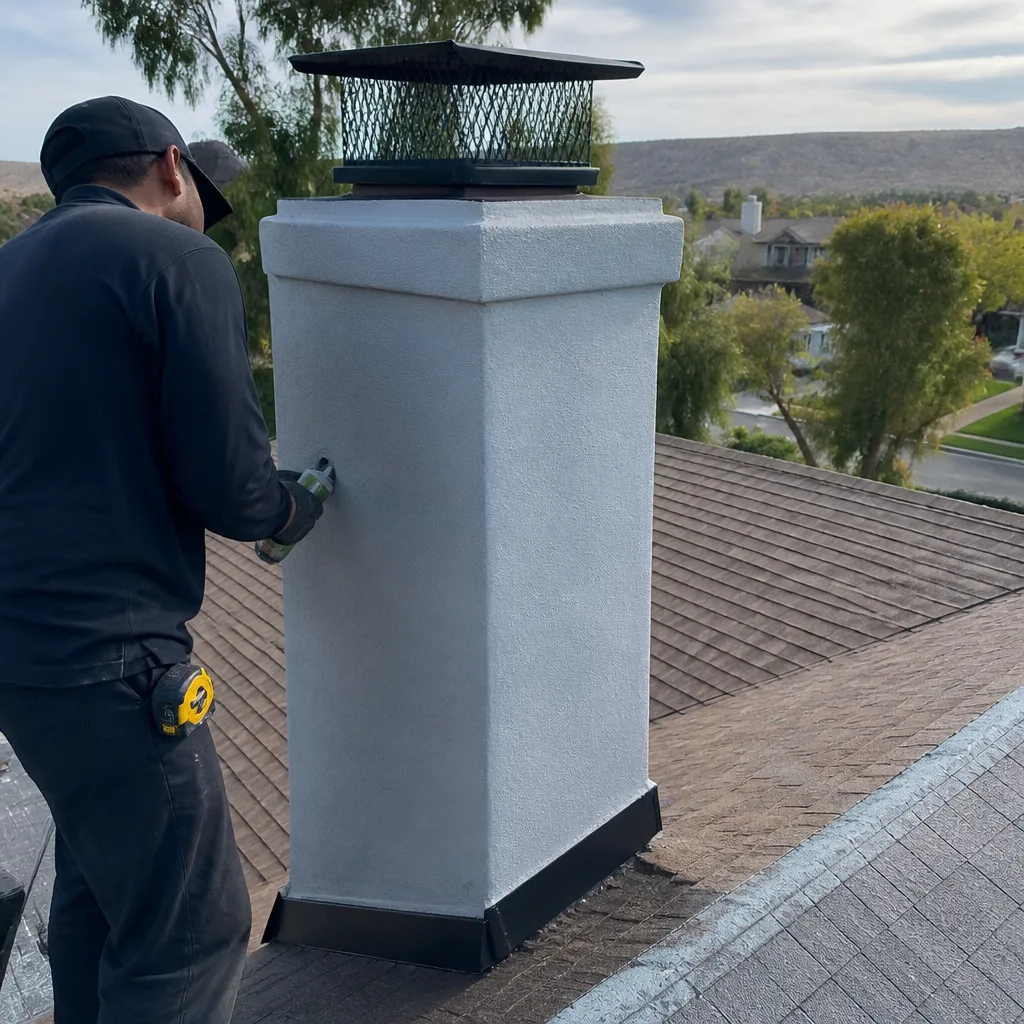
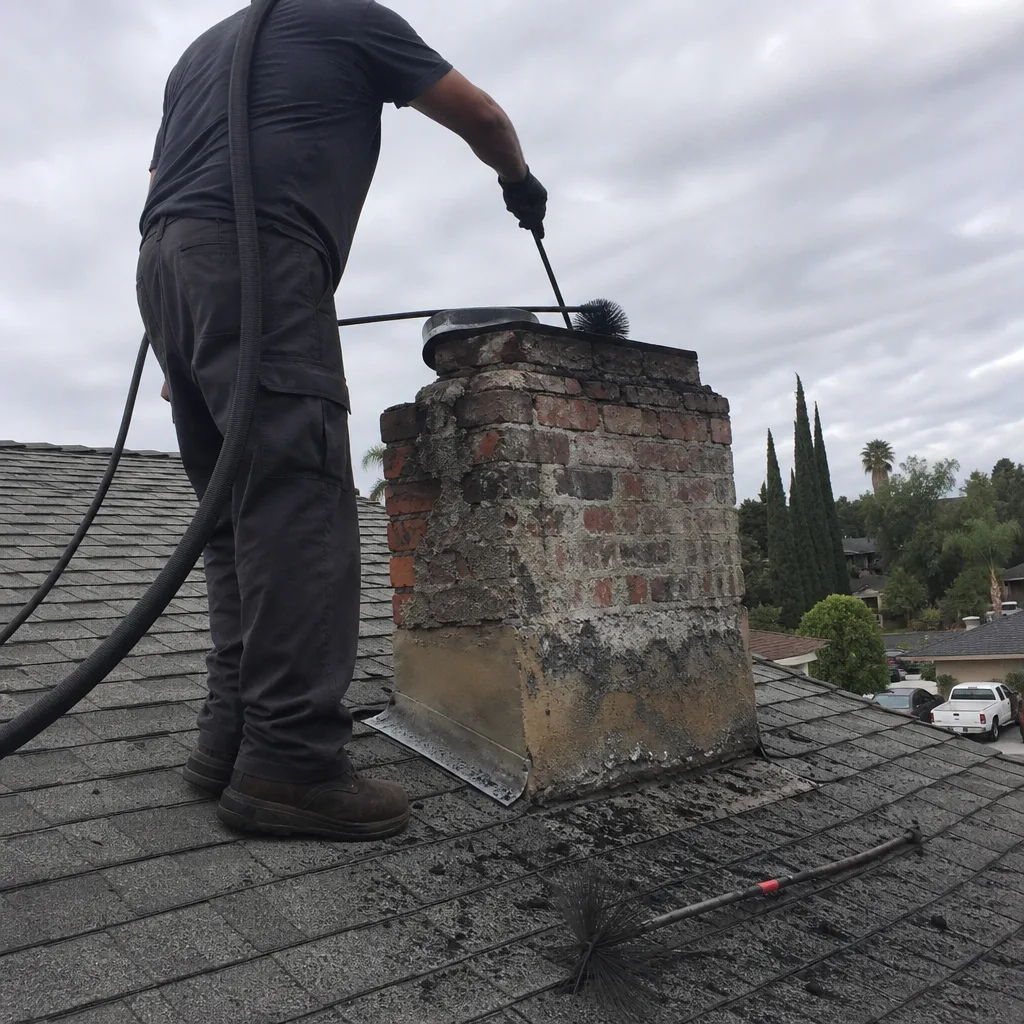
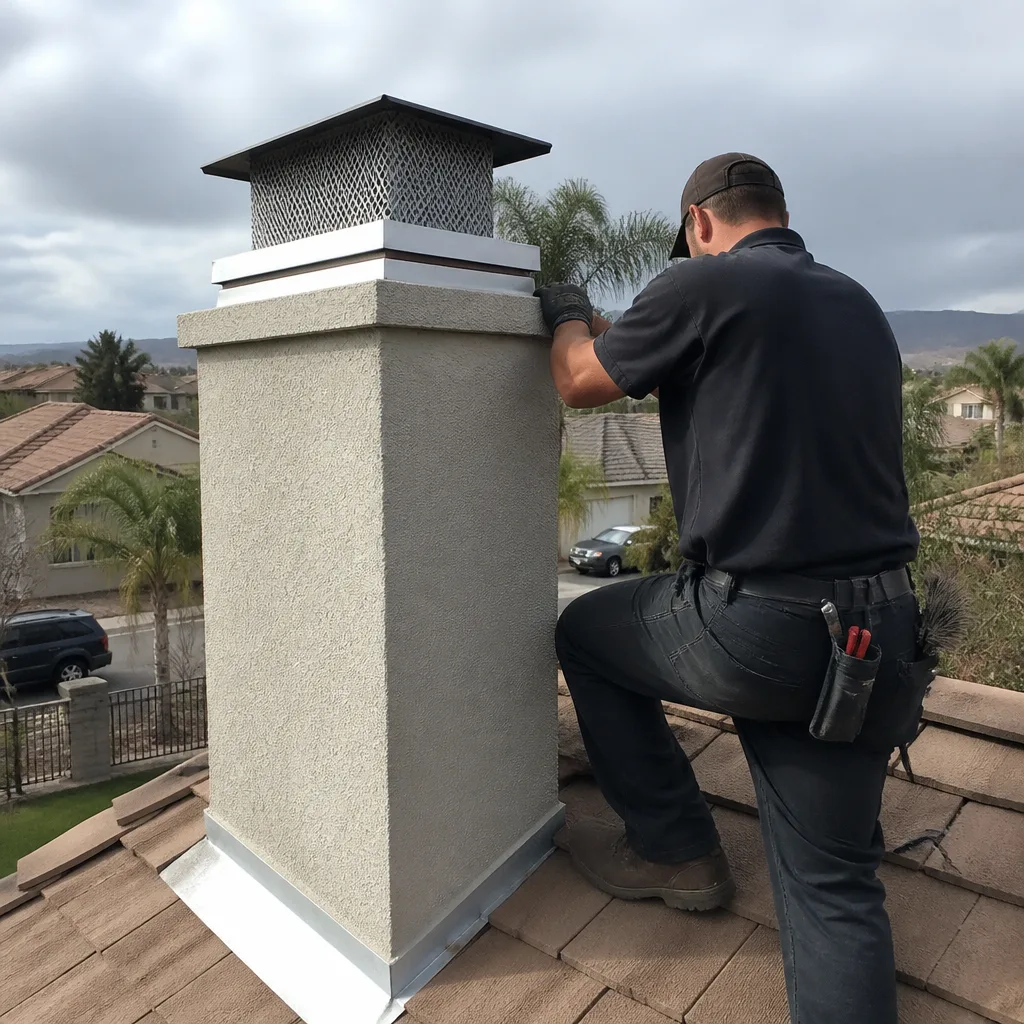
See the difference
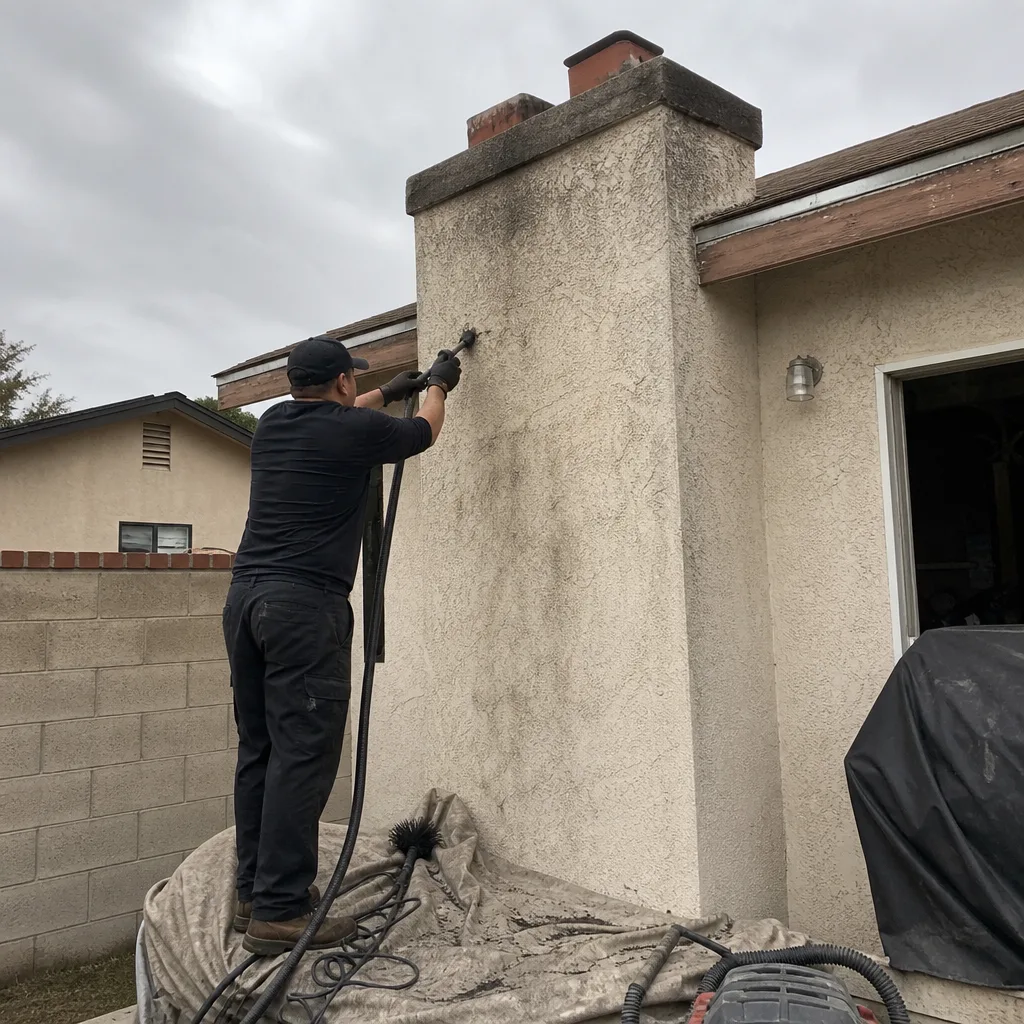 Before
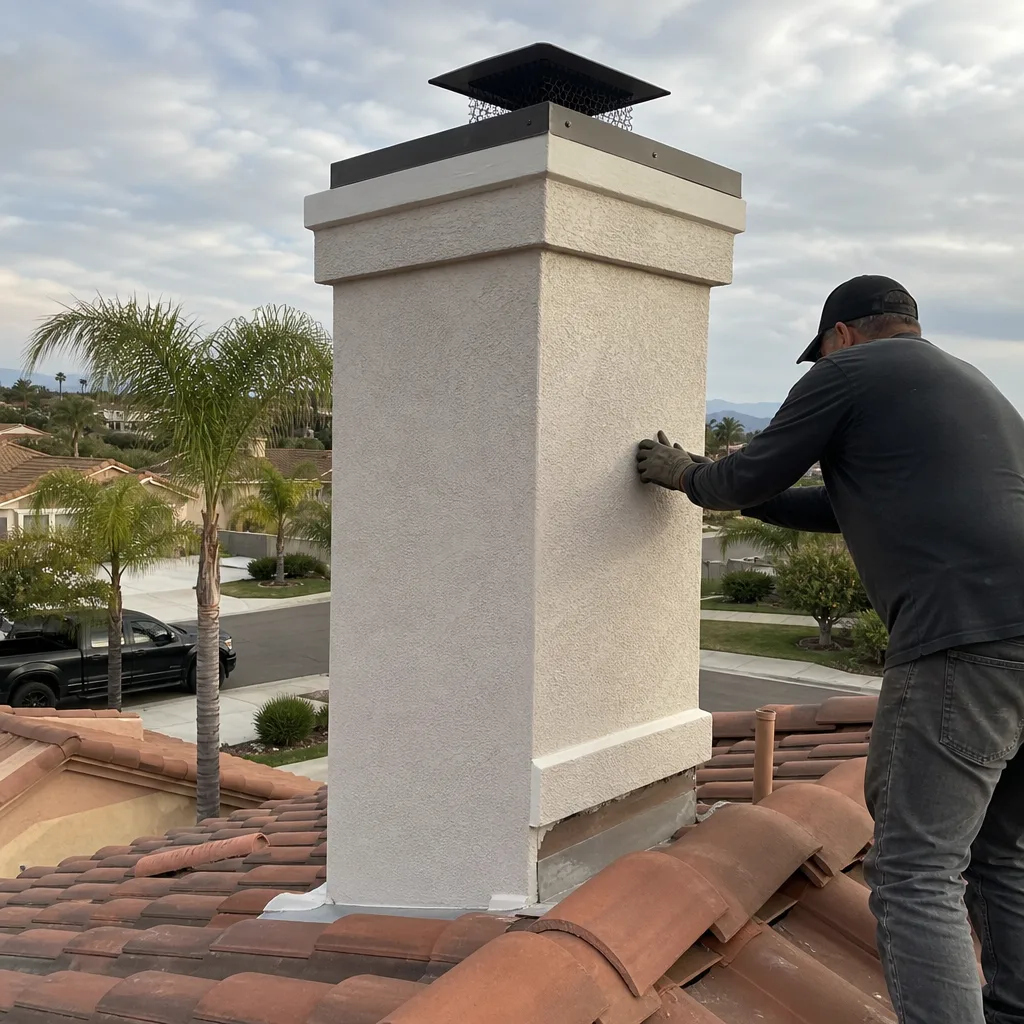 After
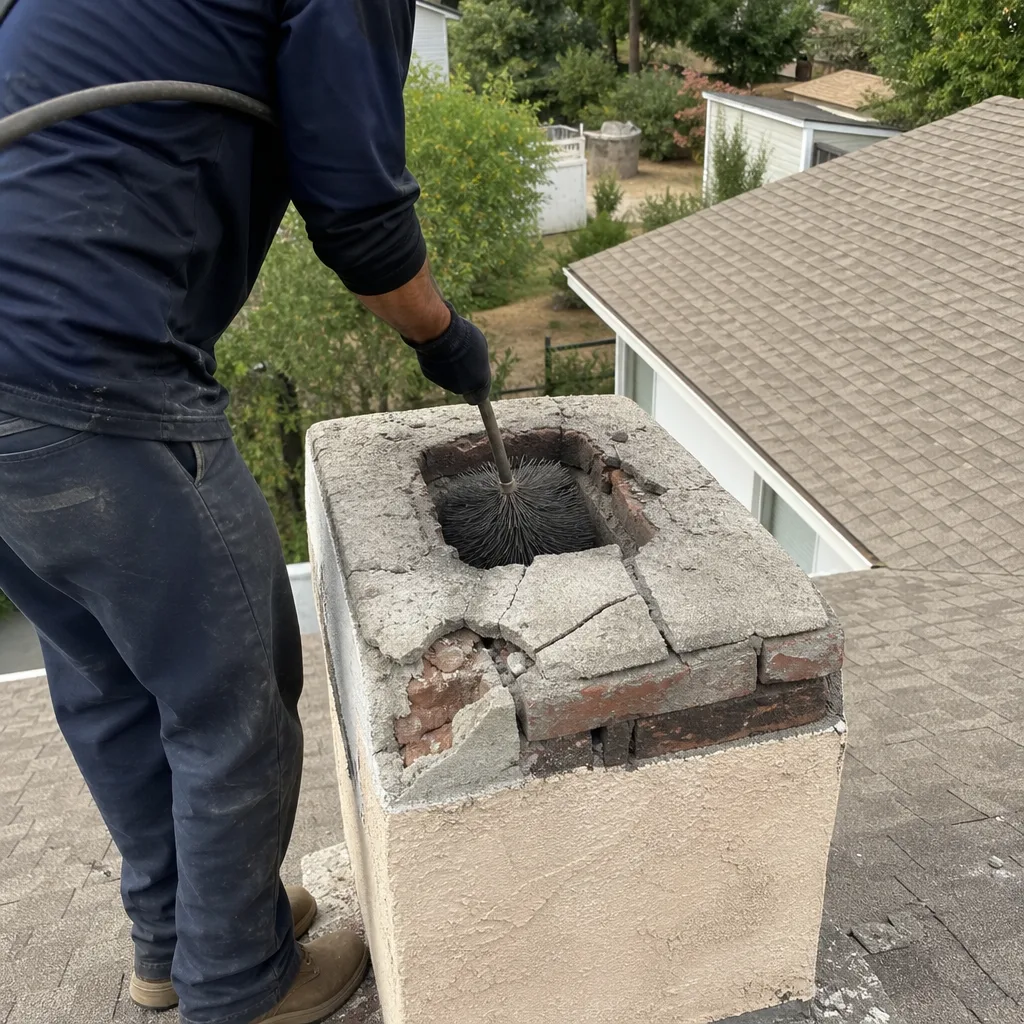 Before
 After
 Before
 After