
Last updated November 3, 2026
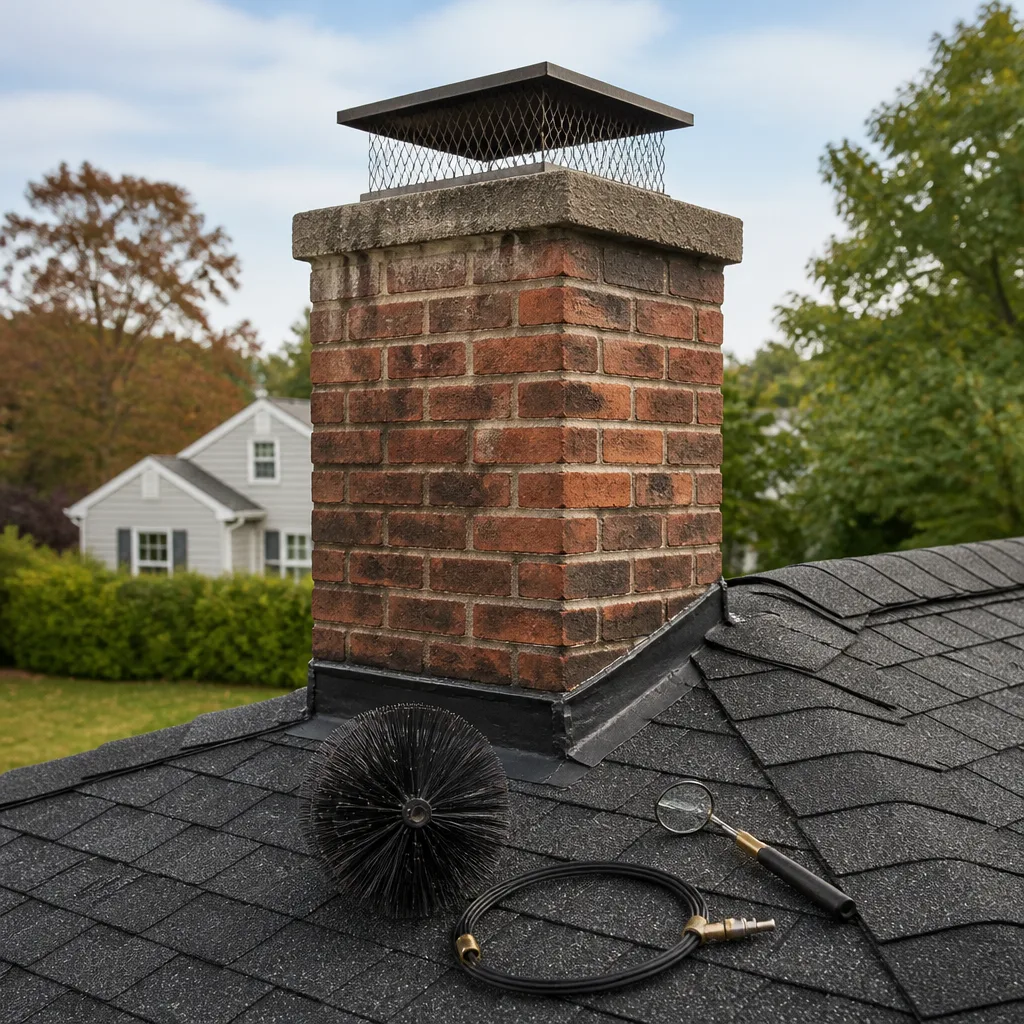 Sweep & inspection
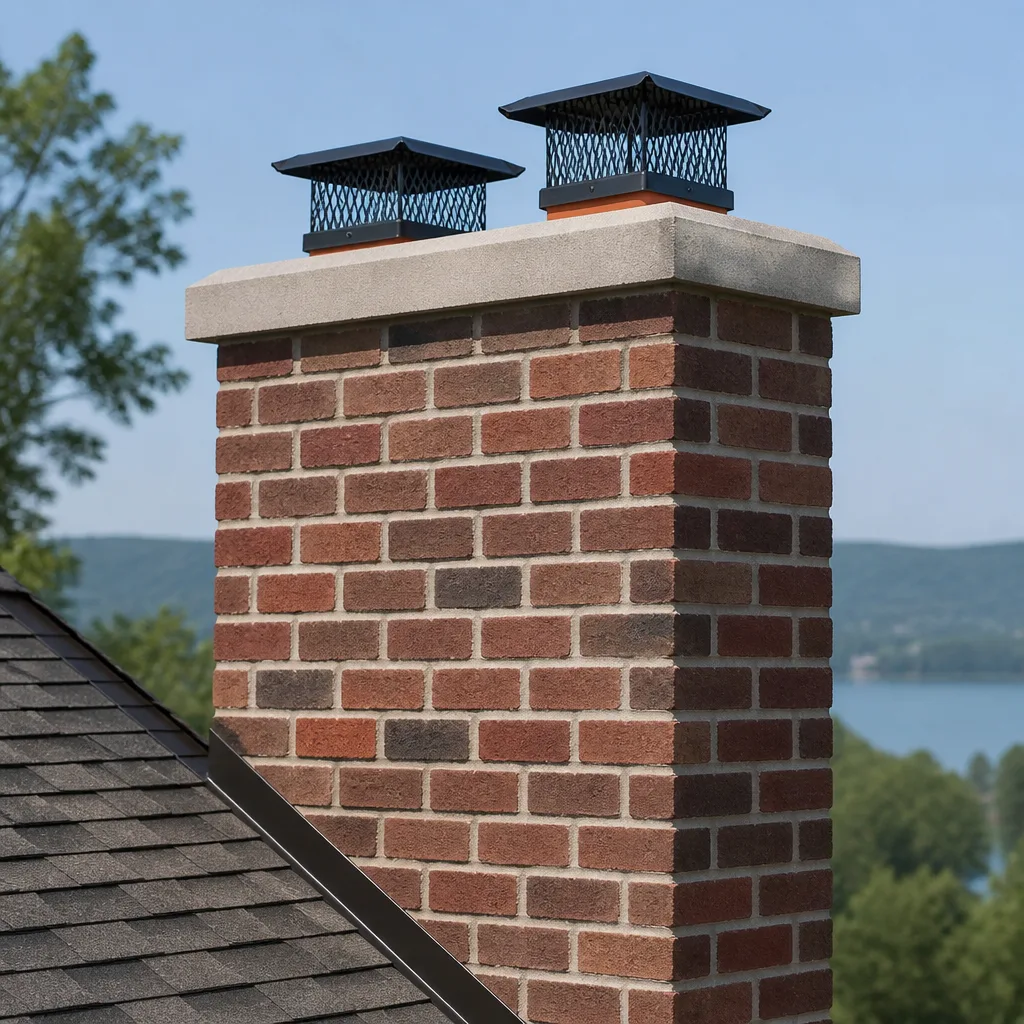 Caps & crowns
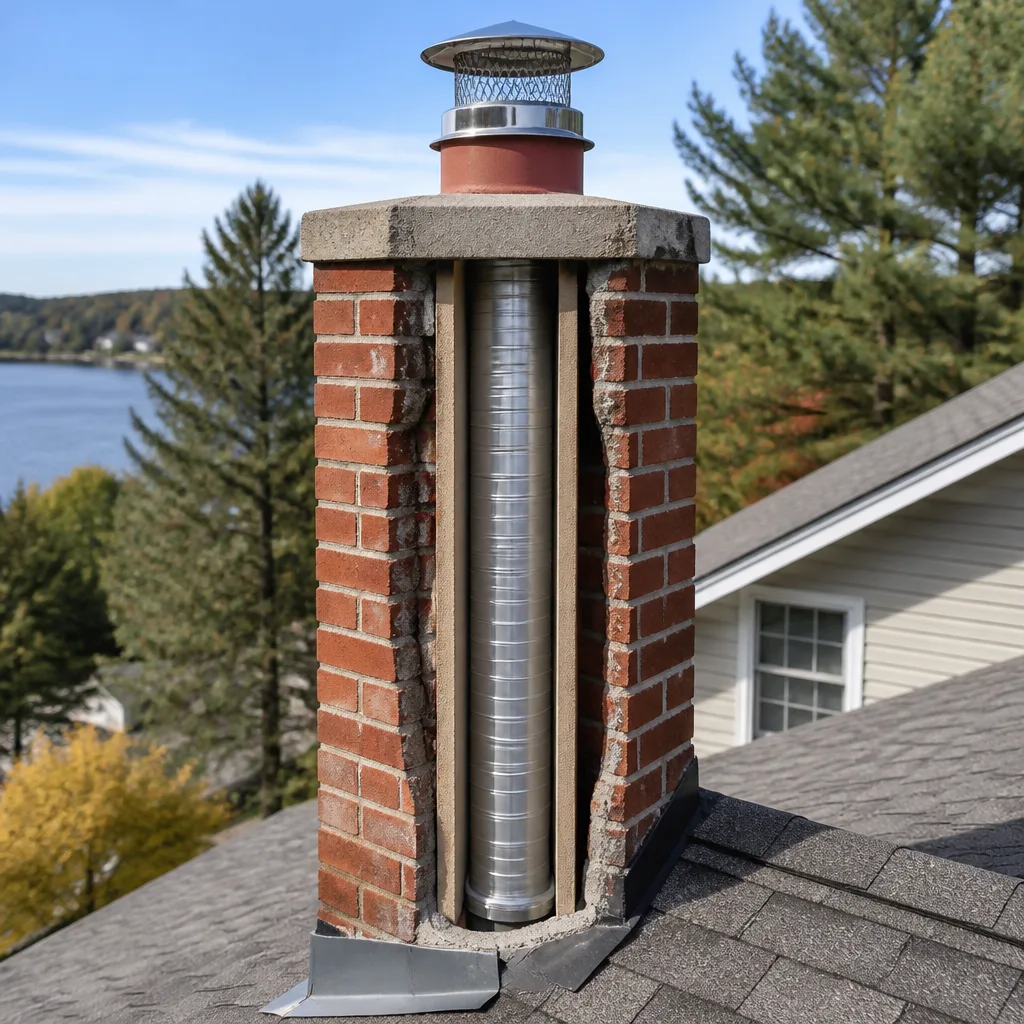 Flue relining
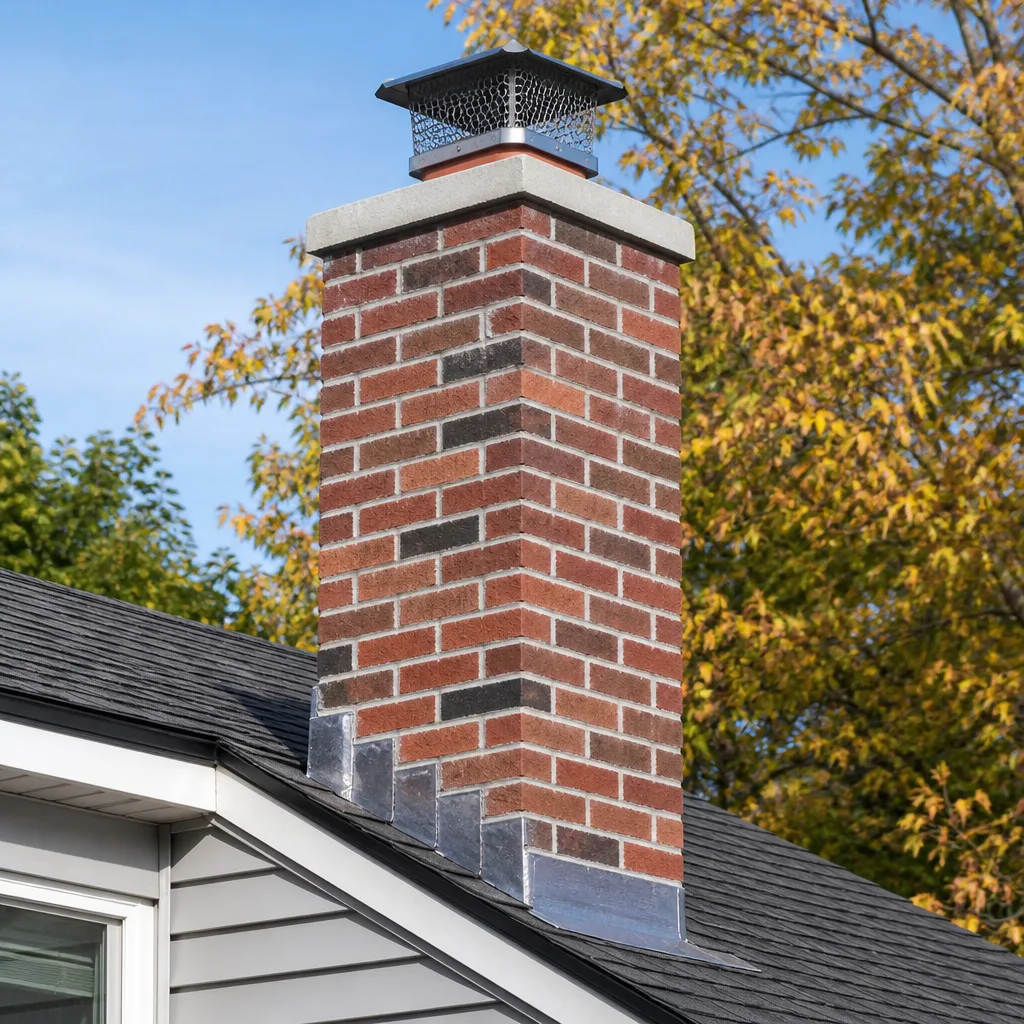 Masonry repair
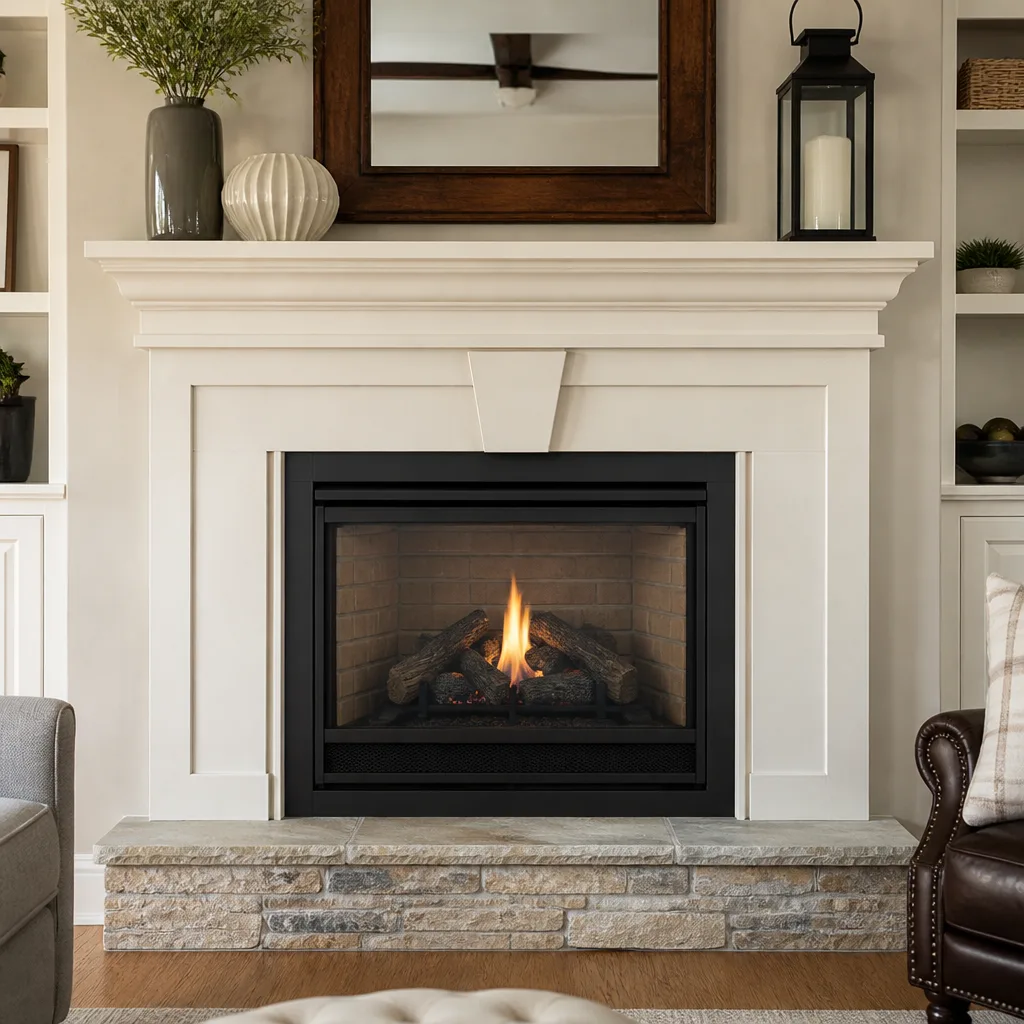 Gas fireplace service
Level 1 sweep and inspection to the NFPA 211 annual standard - flue, crown, cap, and flashing checked and photographed
Chimney sweep logs do not sweep chimneys. They loosen some creosote - which then falls where a brush and vacuum still have to collect it.
Choosing the Right Chimney Cleaning Brand: A Buyer’s Guide for Jurupa Valley
HeatShield Cerfractory Flue Sealant and a generic patching compound are both sold as “smoke chamber repair.” One is a UL 1777-tested system used by certified chimney specialists nationwide. The other is a masonry filler that won’t survive ten burn cycles. The difference between them is invisible to you, sitting in your living room, holding a $400 invoice. But it’s the difference between a chimney that’s safe for a decade and one that needs the same repair again next fall. This guide explains what’s actually going into your chimney, which brands matter, and how to ask the questions that separate material-level transparency from whatever vague answer you’ll get from a brush-and-run operation here in Jurupa Valley. For DIY vs Professional Chimney Cleaning: The Jurupa Valley Homeowner’s Decision Guide, see our companion resource.
Styles & brands we work with
- Sweep & inspection
- Caps & crowns
- Flue relining
- Masonry repair
- Gas fireplace service
Quick Answer
The right chimney cleaning brand isn’t a single name, it’s a tier of materials. Trade-grade products from DuraFlex, HeatShield, Olympia Chimney, and Copperfield are what certified specialists install when a repair needs to last. If a sweep cannot name the products they use, you’ve learned everything you need to know. In Jurupa Valley, look for a company that names its materials, handles repairs in-house, and treats dryer vents as part of the same fire-prevention conversation. For The Complete Chimney Sweep Guide for Jurupa Valley Homeowners, including what the process should include, see our detailed breakdown.
Table of Contents
- The Supply Chain Your Chimney Sweep Doesn’t Mention
- Three Tiers of Chimney Materials: What Each One Means for Durability
- What UL Listing Actually Means (and Why Insurance Companies Care)
- The Brand Landscape for Specific Repairs
- The Questions That Reveal A Contractor’s Material Standards
- How Material Warranties Work in Practice
- What Jurupa Valley Homeowners Need to Know
- Common Mistakes to Avoid
- When to Call a Professional
- Frequently Asked Questions
- The Bottom Line
The Supply Chain Your Chimney Sweep Doesn’t Mention
Every chimney sweep buys materials from somewhere. That’s not a secret. But most homeowners never think to ask where, or from whom, or whether the stainless steel liner going into their flue came from a manufacturer with UL testing behind it or from a discount distributor selling imported components with no traceable testing history.
Consider what a chimney actually is: a contained fire channel running through the center of your house. The liner, the smoke chamber, the cap, the damper, these aren’t decorative. They’re fire containment components. When you understand that, the question stops being “what did the sweep charge” and becomes “what went into the repair.”
In our experience serving Jurupa Valley, the homeowners who get the most durable results are the ones who ask about materials before they ask about price. A stainless liner from DuraFlex carries a manufacturer warranty that a generic pipe from a home center doesn’t. A smoke chamber resurfaced with HeatShield compound is a different repair than one smeared with furnace cement. Same hands doing the work, wildly different outcomes.
This is the core of choosing the right chimney cleaning brand: understanding that the brand of the product matters as much as the brand on the truck. DuraFlex, HeatShield, Gelco, Olympia Chimney, Famco, and Copperfield aren’t household names. They’re not supposed to be. They’re the names a competent chimney professional reaches for when a repair has to hold.
Three Tiers of Chimney Materials: What Each One Means for Durability
The chimney material market splits into three rough tiers. Knowing which tier your contractor sources from tells you more than any review or rating.
- Trade-grade brands. This is the tier that includes DuraFlex flexible liner systems, HeatShield repair compounds, Olympia Chimney supply components, Famco venting hardware, and Copperfield caps and dampers. These products are engineered for chimney-specific conditions: thermal cycling, creosote exposure, condensation, weather. They carry manufacturer warranties that are actually enforceable because the manufacturer knows the product was built for this exact use. Contractors who use these brands pay more and wait longer for shipments. They do it because callbacks are more expensive than premium materials.
- Contractor-grade generic. This is the middle tier. Imported stainless steel liner kits sold through regional distributors. Unbranded caps. Replacement dampers with no manufacturer support line. Some of it is fine. Some of it fails in five years. The problem is you can’t tell which is which, because there’s no testing data, no UL listing, and no warranty beyond the contractor’s verbal assurance. The contractor himself may not know where the product originated.
- Hardware store products. The bottom tier. Furnace cement, sheet metal caps, universal flue tiles, high-temp silicone labeled “chimney repair.” In Jurupa Valley, you’ll find these at every big-box home center. Some are good for temporary patches. None of them belong in a permanent chimney repair. They’re not tested for continuous wood-burning temperatures, they don’t expand and contract with the flue, and they rarely survive a single burning season in our dry, hot summers followed by cold winter nights.
Here’s the practical takeaway in a Key Takeaways list:
- Trade-grade materials cost more upfront and last dramatically longer.
- Generic materials are a gamble with your chimney’s structural integrity.
- Hardware store products are for temporary fixes, never permanent repairs.
- A contractor who can’t name their material brands is sourcing from tiers two or three.
What UL Listing Actually Means (and Why Insurance Companies Care)
UL stands for Underwriters Laboratories, an independent safety testing organization that has been testing fire-related products for over a century. When a chimney liner carries a UL 1777 listing, it means the product was tested for use in masonry chimneys, with specific temperature tolerances, clearance requirements, and installation parameters.
This matters for three reasons in Jurupa Valley:
First, insurance. If a chimney fire damages your home, your insurance adjuster will ask questions about the liner. A UL-listed system installed to manufacturer specifications supports your claim. An unlisted, improvised repair gives the insurer a reason to limit or deny coverage. This isn’t theoretical. We’ve seen it happen.
Second, permit compliance. Jurupa Valley falls under Riverside County building codes, which reference UL standards for chimney components. Any repair that requires a permit will be evaluated against those standards. A contractor installing non-listed materials is creating a compliance problem you’ll discover at resale or after an incident.
Third, post-fire survivability. A UL-tested liner is designed to contain a chimney fire long enough for the fire department to respond. An untested liner may fail in minutes. The difference can be measured in structural damage.
Here’s a numbered breakdown of how to verify a UL listing claim:
- Ask for the specific UL standard number. For flexible chimney liners, it’s UL 1777. For factory-built chimneys, UL 103. A professional should know this number without looking it up.
- Ask for the manufacturer’s installation instructions. UL listings are conditional. The product is only listed when installed per the manufacturer’s specifications. If the contractor can’t produce the instructions, the listing is meaningless.
- Check the product label. UL-listed chimney components carry a permanent label with the listing number. After installation, the label should remain accessible.
- Verify with the manufacturer. Most trade-grade manufacturers maintain online databases where you can confirm a product’s listing status using the model number.
DuraFlex liners, for reference, are UL 1777-listed systems sold through the Olympia Chimney supply network. This is the kind of specificity that matters. A liner that says “stainless steel” is not the same as a liner that says “UL 1777 listed, 316Ti alloy, manufactured by a company that will answer the phone when your insurance adjuster calls.”
The Brand Landscape for Specific Repairs
Different chimney problems require different materials. Here’s what trade-grade sourcing looks like for the most common repairs you’ll encounter in Jurupa Valley.
Smoke Chamber Resurfacing: HeatShield
The smoke chamber is the area above the firebox where smoke compresses before entering the flue. In older Jurupa Valley homes, particularly in neighborhoods like Rubidoux and Pedley with mid-century construction, smoke chambers are often built from corbeled brick with gaps and rough mortar joints. Over time, heat and creosote degrade the surface.
HeatShield Cerfractory Flue Sealant is a ceramic-based resurfacing compound specifically engineered for this application. It’s applied as a coating that bonds to the existing masonry, creating a smooth, insulated, continuous surface. The material expands and contracts at a rate compatible with chimney masonry, which is why it doesn’t crack the way cement patch products do. HeatShield is a restoration-level repair, not a cosmetic one. It rebuilds the functional surface of the smoke chamber.
This matters because a cracked, porous smoke chamber allows heat and combustion gases to reach combustible materials behind the chimney. A surface patch that visibly fills the crack but fails under thermal stress after one season is worse than no repair, because it gives the homeowner false confidence.
Chimney Relining: DuraFlex
When a clay tile flue liner cracks, usually from a chimney fire or decades of thermal cycling, the standard repair is a stainless steel liner system. DuraFlex is the brand we specify most often in Jurupa Valley because it’s manufactured in the United States, carries UL 1777 listing, and is supported by a manufacturer warranty that covers the liner itself, not just the installation labor.
The important distinction: a liner system is not a pipe. It’s an engineered component sized to your chimney’s dimensions, insulated per code requirements, and installed with a specific top plate and rain cap configuration. The brand matters because the warranty registration requires the installer to document the product model, batch number, and installation details. A contractor installing unbranded liner can’t register a warranty because there’s no manufacturer to register with.
Caps and Dampers: Copperfield
Chimney caps prevent rain, debris, birds, and sparks from entering or exiting the flue. Dampers seal the flue when the fireplace isn’t in use, preventing conditioned air loss and downdrafts. Copperfield manufactures both, and they’re sold through professional supply channels, not big-box stores.
A Copperfield cap is built from heavier-gauge metal than a hardware store universal cap, with a designed spark arrestor mesh that meets the same code requirements Riverside County enforces. Universal caps fail in Jurupa Valley’s wind conditions, which can gust through the Santa Ana River corridor at surprising speeds. A cap that bends out of shape creates the same hazards it was installed to prevent.
Dryer Vent Components: Famco and Gelco
Your dryer vent is a fire hazard too. Lint accumulation inside the vent duct is one of the leading causes of residential fires in Riverside County. Dryer vent cleaning in Jurupa Valley removes the accumulated lint and debris, but when the vent system itself needs repair, replacement, or rerouting, the components matter. Famco manufactures venting components designed for proper air flow and fire resistance. Gelco produces caps and termination fittings that prevent bird nesting and backdraft issues. These are specific products for specific functions, not whatever flexible hose is on sale at the home center.
The Questions That Reveal A Contractor’s Material Standards
You don’t need to become a chimney expert to evaluate a contractor. You need to ask the right questions and listen carefully to the answers. Here’s a step-by-step approach we recommend to every Jurupa Valley homeowner.
- Ask what specific products they use for liner work. The correct answer includes a brand name, like DuraFlex, and ideally a model series. The wrong answer is “stainless steel liner” or “we use what the supplier gives us.” A vague answer means generic sourcing.
- Ask about their smoke chamber repair process. Listen for a specific product name. HeatShield is the trade standard. “We patch it with high-temp cement” is a red flag.
- Ask where they source their supplies. Trade-grade contractors buy from trade-grade distributors like Olympia Chimney Supply. They’ll be able to tell you this because it’s a point of pride. Contractors who buy from home centers won’t want to admit it.
- Ask about warranty registration. Trade-grade manufacturers require installation documentation for warranty activation. If a contractor can’t explain how your material warranty gets registered, they’re probably not installing registered products.
- Ask about UL listing. A professional chimney technician knows what UL 1777 means and which of their products carry it. Blank stare, wrong answer.
Here’s the thing about these questions: you’re not interviewing for technical expertise. You’re testing for transparency. A contractor who names their brands without hesitation is sourcing deliberately. A contractor who gets defensive or vague is telling you something without saying it.
How Material Warranties Work in Practice
Most homeowners assume a warranty is a warranty and never read the terms until a claim is denied. Chimney material warranties vary dramatically by manufacturer and product type. Understanding the structure will help you evaluate any proposal you receive.
What’s typically covered: Manufacturer defects, material failures under normal use, and in some cases, thermal stress failure for liner systems. DuraFlex, for example, offers extended warranty options on liner systems when installed by a qualified professional and registered with the manufacturer. HeatShield warranties the Cerfractory material against failure under normal operating conditions.
What voids coverage: Improper installation is the big one. Every trade-grade manufacturer includes installation requirements in the warranty terms, and every claim starts with a review of installation documentation. If your contractor can’t produce those records, the warranty doesn’t exist. Unapproved modifications void coverage. Using the fireplace in a manner inconsistent with the manufacturer’s instructions, typically burning unseasoned wood or other improper fuels, voids coverage. Neglecting regular maintenance is another common exclusion, and this ties back to why ongoing chimney sweep service in Jurupa Valley matters. A warranty claim on a liner that’s been ignored for a decade will be denied for lack of maintenance.
Who can register the warranty: This is the part most homeowners miss. A product warranty is activated by the installer, not the homeowner. The installer documents the product model, batch or serial number, installation date, and installation details, and submits that information to the manufacturer. A contractor who sources correctly from recognized distributors can register your warranty. A contractor who bought a generic liner from a cash-and-carry supplier has nothing to register.
This is why material sourcing matters beyond the physical product. The warranty process requires a paper trail that only exists when real products are purchased through real supply channels.
What Jurupa Valley Homeowners Need to Know
Jurupa Valley’s specific conditions shape which materials perform and which fail. We’re in a hot, dry climate with significant temperature swings between summer and winter nights. Our fires are often recreational, lit on weekends from November through February, and then the chimney sits unused for six months. Creosote hardens and bakes onto flue surfaces. Expansion and contraction cycles stress liner materials. Santa Ana winds test caps and spark arrestors.
Older homes in Jurupa Valley neighborhoods like Glen Avon, Mira Loma, and Sunnyslope often have original clay tile liners. Clay tile is a perfectly good material when it’s intact. When it cracks, from a chimney fire or from decades of thermal cycling, it needs to be addressed with a stainless steel relining system. That’s a chimney repair service in Jurupa Valley that requires proper materials, proper installation, and proper documentation.
Our local building codes follow Riverside County regulations, which incorporate California state standards for chimney construction and repair. These codes reference UL listings, clearance specifications, and installation standards that trade-grade materials are engineered to meet. When you or your contractor pull permits for a relining job, the materials will be reviewed. Generic components create friction in that process. Trade-grade components make it routine.
The other Jurupa Valley-specific factor is dryer vent maintenance. Our dry climate means clothes dry faster, which means some homeowners run their dryers less frequently and think about the vent never. But lint accumulation is a volume problem, not a frequency problem. Four loads a week generates the same lint whether the air is dry or humid. Chimney Sweep Jurupa Valley home service area includes comprehensive dryer vent inspection and cleaning for exactly this reason.
Common Mistakes to Avoid
- Hiring before asking about materials. Price shopping without product shopping is the fastest way to end up with a generic repair that fails in two seasons. Ask about brands first, then compare prices among contractors who use them.
- Treating a hardware store patch as permanent. Furnace cement and high-temp silicone are temporary measures. If a contractor proposes them as a permanent fix, get a second opinion.
- Assuming every stainless steel liner is the same. Alloy composition, wall thickness, corrugation profile, and testing history vary dramatically. UL-listed DuraFlex is not interchangeable with an unlisted import.
- Ignoring the smoke chamber. Many homeowners schedule a cleaning, get a report that says the flue is fine, and never learn that their smoke chamber is degrading. A proper inspection covers the entire system, not just the flue.
- Forgetting the dryer vent. The chimney gets seasonal attention. The dryer vent runs year-round and accumulates lint with every load. It’s the fire hazard most Jurupa Valley homeowners don’t think about until someone points it out.
- Skipping warranty registration. If your installer doesn’t register the product warranty, you don’t have a warranty. Ask for confirmation in writing.
- Hiring a company that subcontracts repairs. If the cleaning crew finds a problem and hands you a number for a “chimney guy,” you’ve lost the benefit of having one accountable party for the entire system. Look for a company that handles both in-house.
When to Call a Professional
Some chimney situations are urgent enough that you shouldn’t spend additional time researching brands before making the call. If you smell smoke when the fireplace isn’t in use, if you see white staining on exterior brick (a sign of moisture penetration), if you hear crumbling sounds inside the chimney when it’s windy, or if you’ve had a chimney fire even a small one stop using the fireplace and call immediately. These conditions indicate structural damage, and a professional assessment will tell you whether you’re looking at a cleaning, a repair, or a full relining. Chimney Sweep Jurupa Valley offers free estimates in Jurupa Valley, call (866) 285-4905 to schedule an inspection.
Frequently Asked Questions
Chimney sweeping in Jurupa Valley typically runs between $150 and $350 depending on the size of the system, the amount of creosote buildup, and whether additional services like cap removal or camera inspection are included. The price should always include a full inspection of accessible components. If a quote seems low, ask what’s excluded. Call (866) 285-4905 for an exact quote, estimates are free.
A cracked clay tile liner is a fire containment failure waiting to happen, and patching it is not a viable long-term repair. The proper fix is a stainless steel relining system, typically a UL 1777-listed product like DuraFlex. This isn’t an upsell, it’s the only compliant repair method for cracked tile liners. A camera inspection will show you exactly what we’re seeing before you spend anything.
The National Fire Protection Association recommends annual inspection and cleaning as needed. In Jurupa Valley, where fireplaces are used seasonally, an annual sweep before winter is the right cadence for most homes. Homes with heavy use, green wood burning, or older systems may need more frequent service.
Creosote accumulates on the flue walls and eventually becomes a hardened, tar-like glaze that is highly combustible. A spark or high chimney temperature can ignite it, causing a chimney fire that can reach 2,000°F. Even without a fire, excess creosote restricts draft, pushes smoke into the home, and accelerates liner deterioration. Skipping cleanings converts a $200 maintenance item into a $3,000 repair.
Yes, and in some ways more so, because your dryer runs year-round while your fireplace is seasonal. Lint is highly combustible, and a restricted vent also forces your dryer to run longer and hotter, shortening its lifespan. In Jurupa Valley homes where dryer vents run through attics or walls, a clogged vent is a fire hazard that operates with nobody watching. Call (866) 285-4905 to schedule both on the same visit.
Ask for specific brand names and UL listing numbers. DuraFlex, HeatShield, Copperfield, and Olympia Chimney products are all trade-grade. If your contractor names products you can verify online with manufacturer documentation, that’s the tier you want. If they give you approximate descriptions like “stainless steel liner” or “high-temperature sealant,” ask for specifics in writing before you sign anything.
The Bottom Line
Choosing the right chimney cleaning brand in Jurupa Valley comes down to material transparency. Trade-grade products from DuraFlex, HeatShield, Olympia Chimney, and Copperfield are engineered for the specific thermal and structural demands of a working chimney. They carry real warranties, they’re backed by manufacturers with technical support teams, and they’re installed by contractors who know the difference. Cleaning is step one, but what happens after the cleaning when the inspection finds a problem, that’s where brand choices determine whether you pay once or pay again every few seasons. Ask about materials before you ask about price. The answers will tell you everything you need to know. For more guides & resources on chimney maintenance in our area, browse our blog.
Written by the team at Chimney Sweep Jurupa Valley, serving Jurupa Valley since 2015.
See the difference
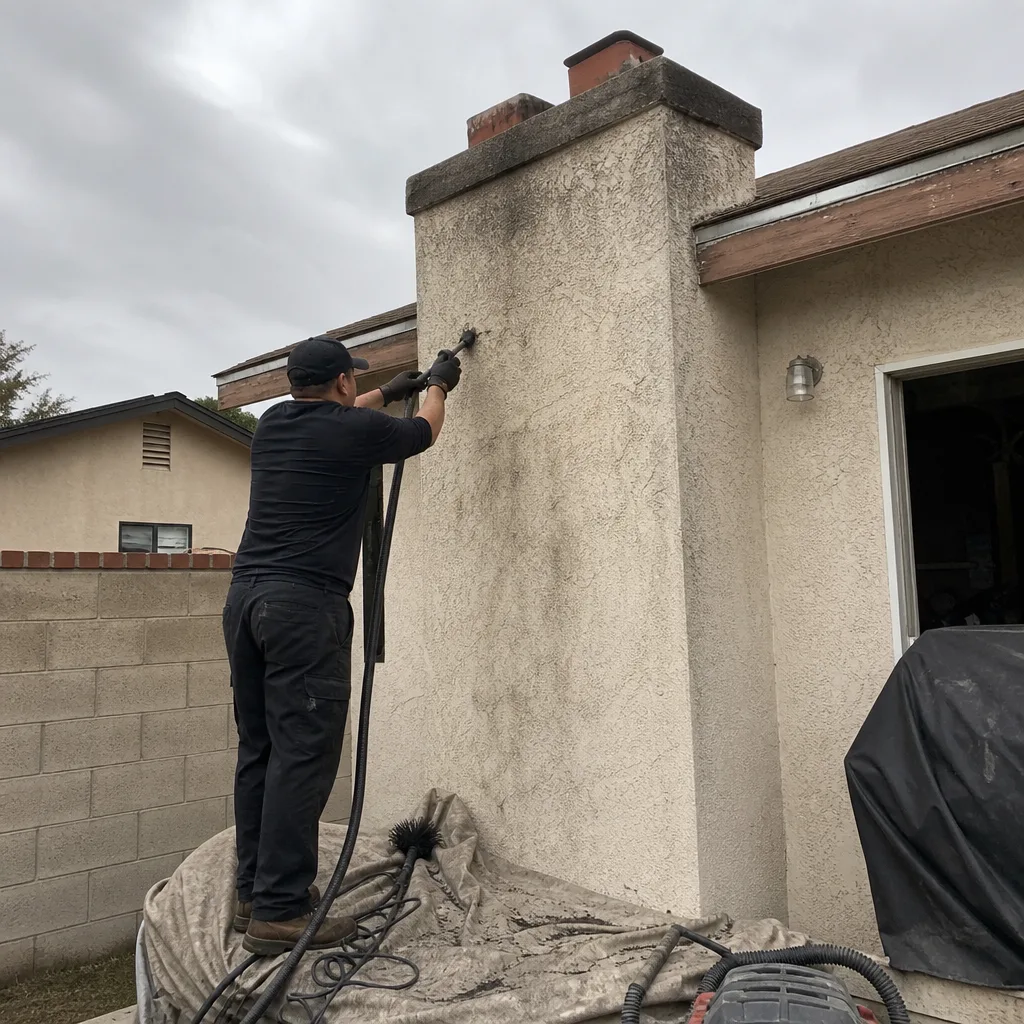 Before
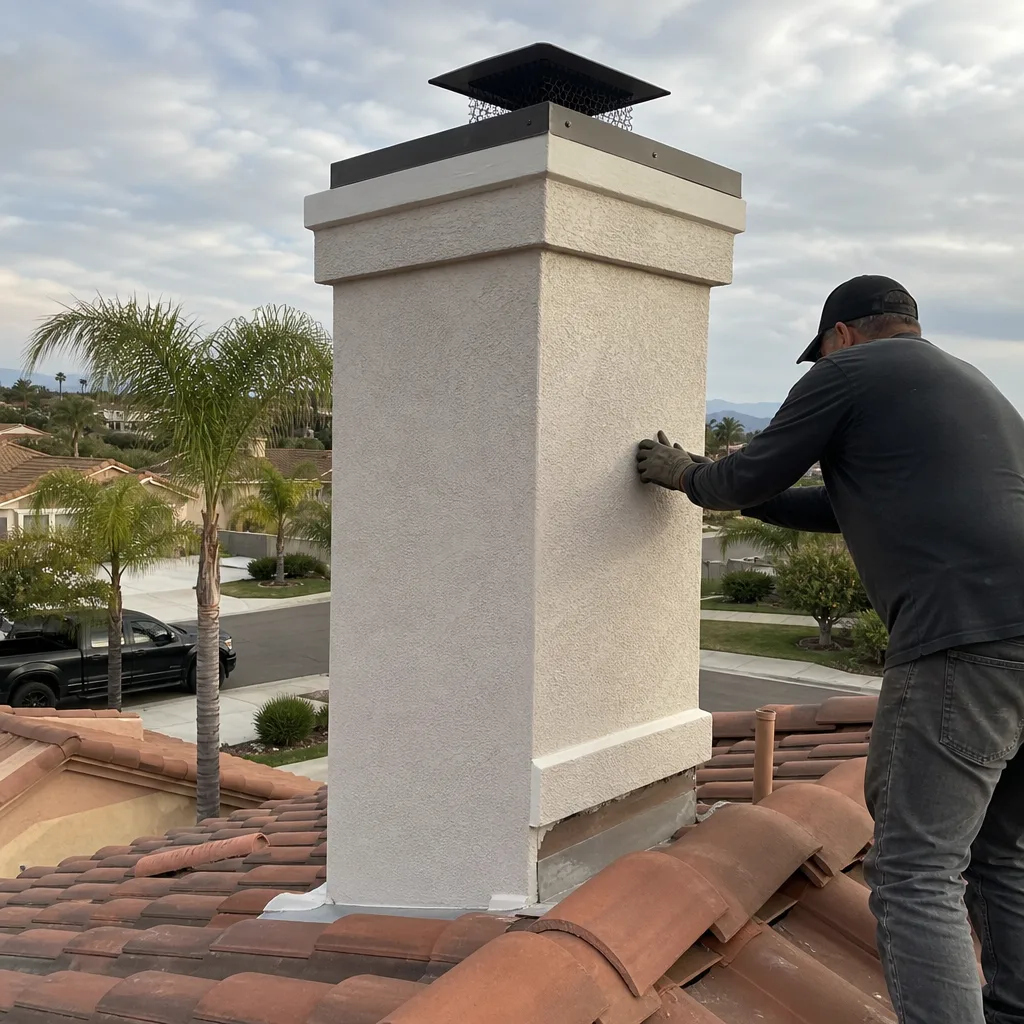 After
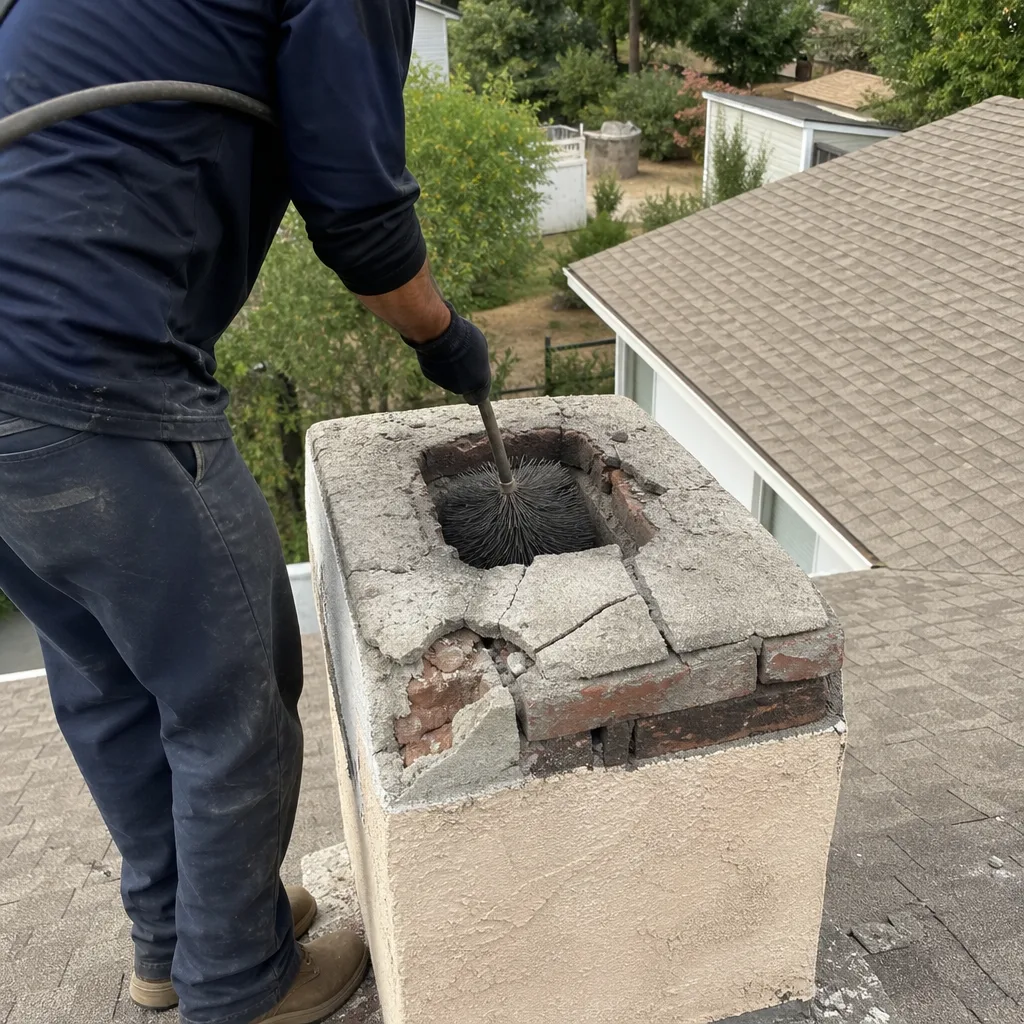 Before
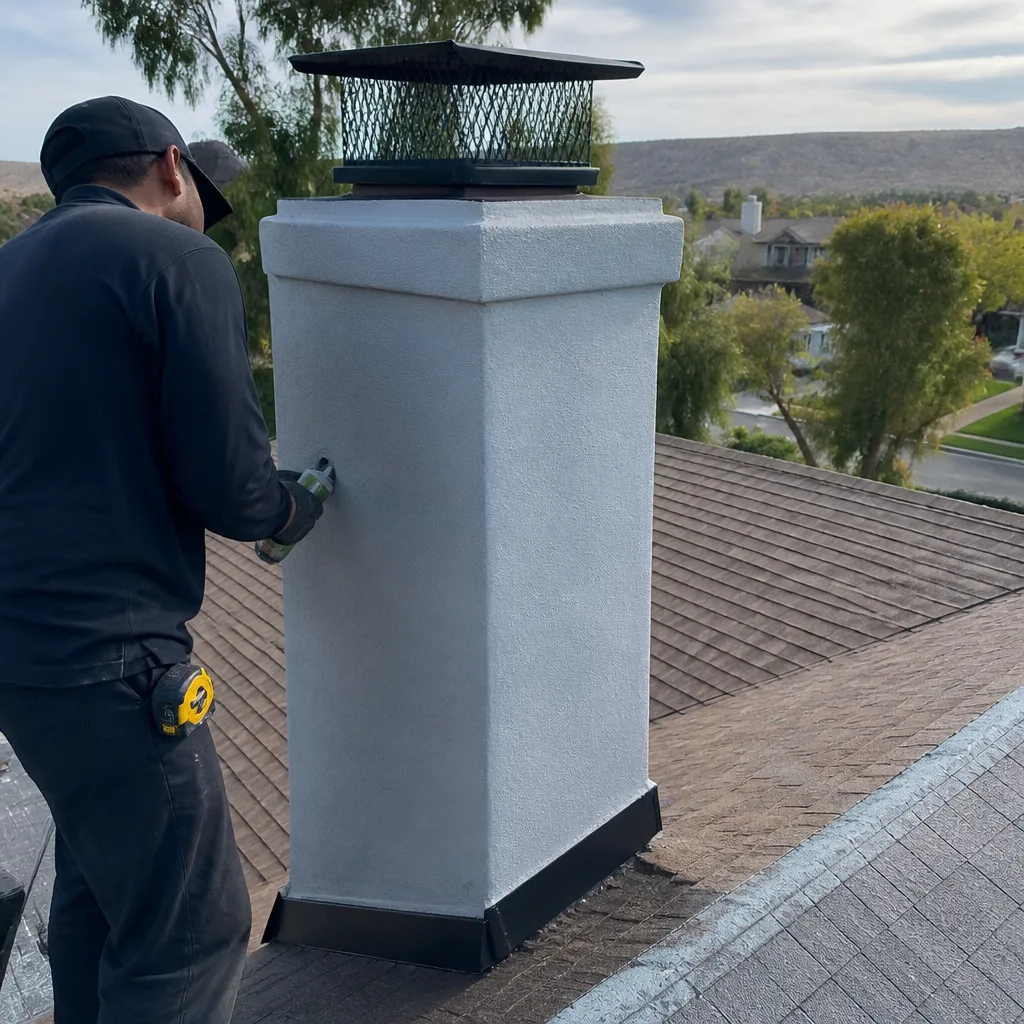 After
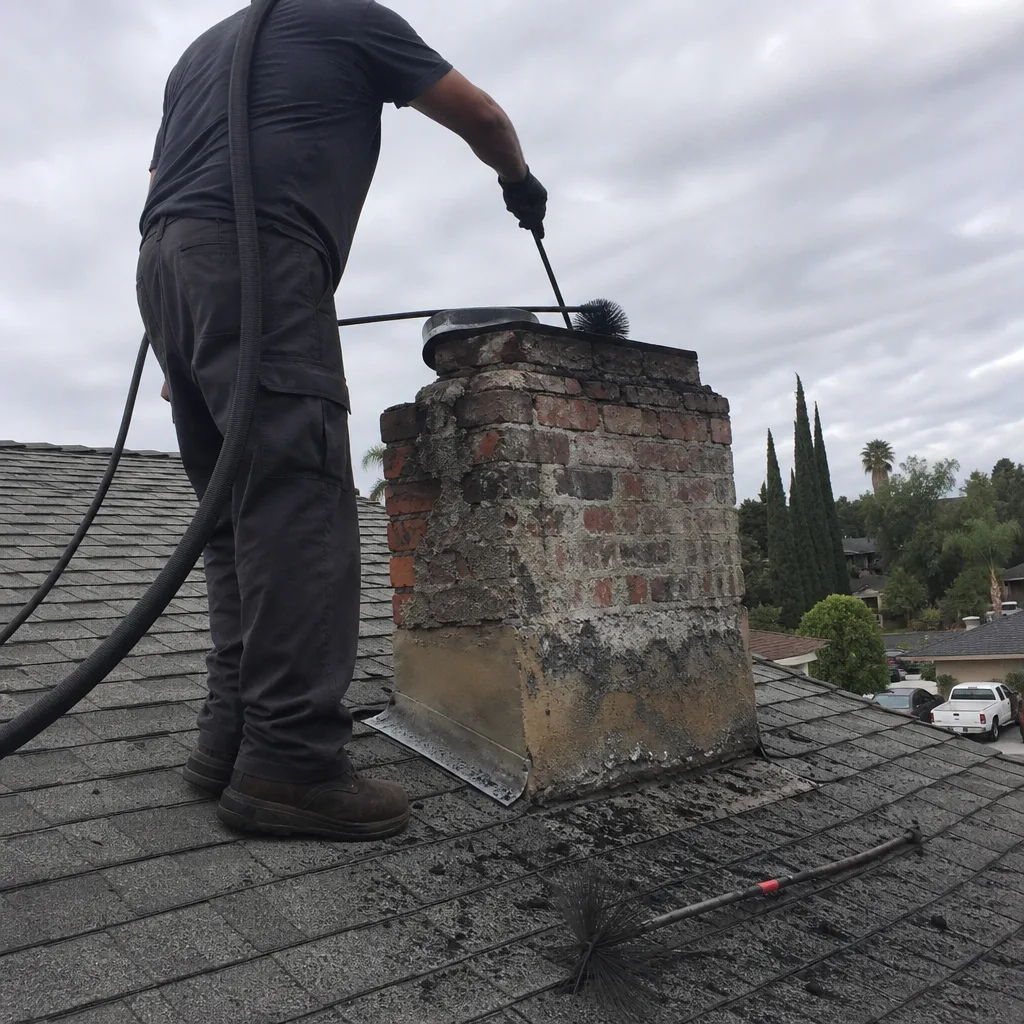 Before
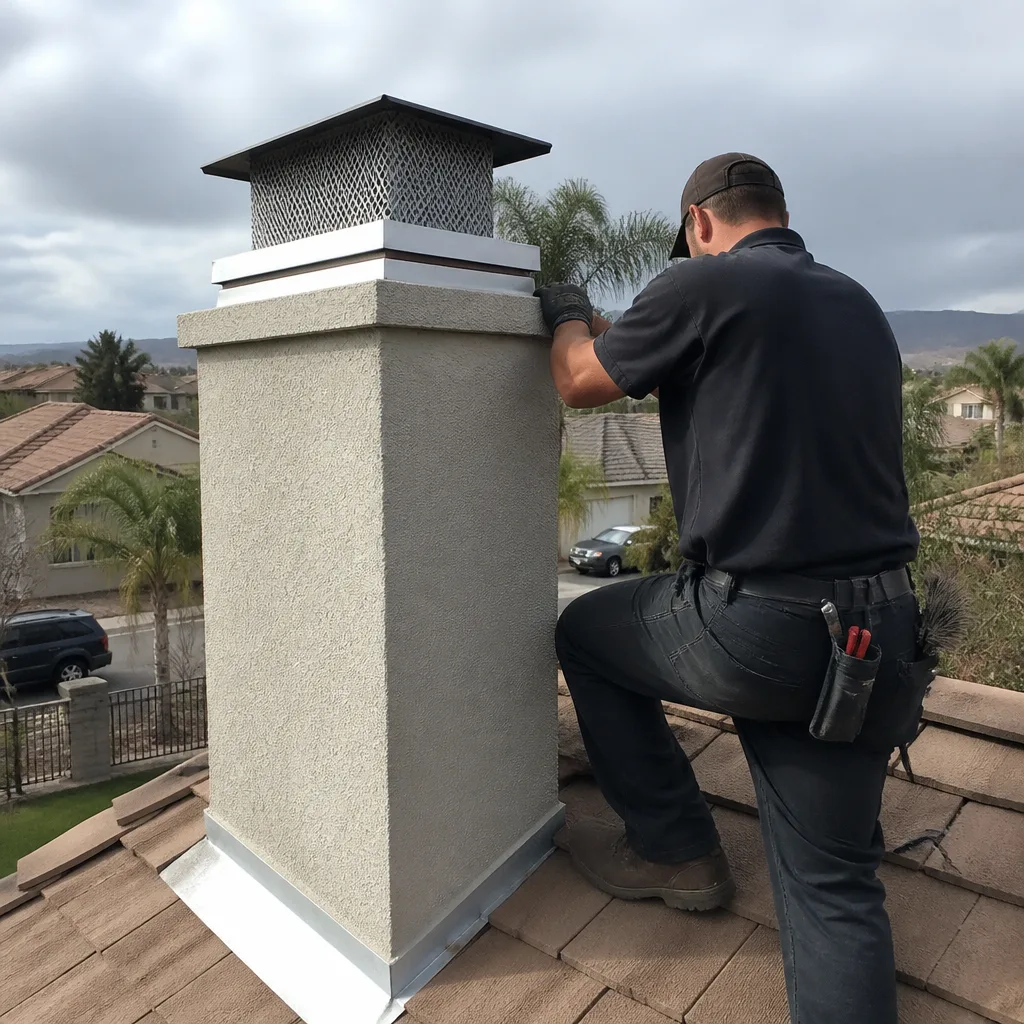 After