
Last updated November 2, 2026
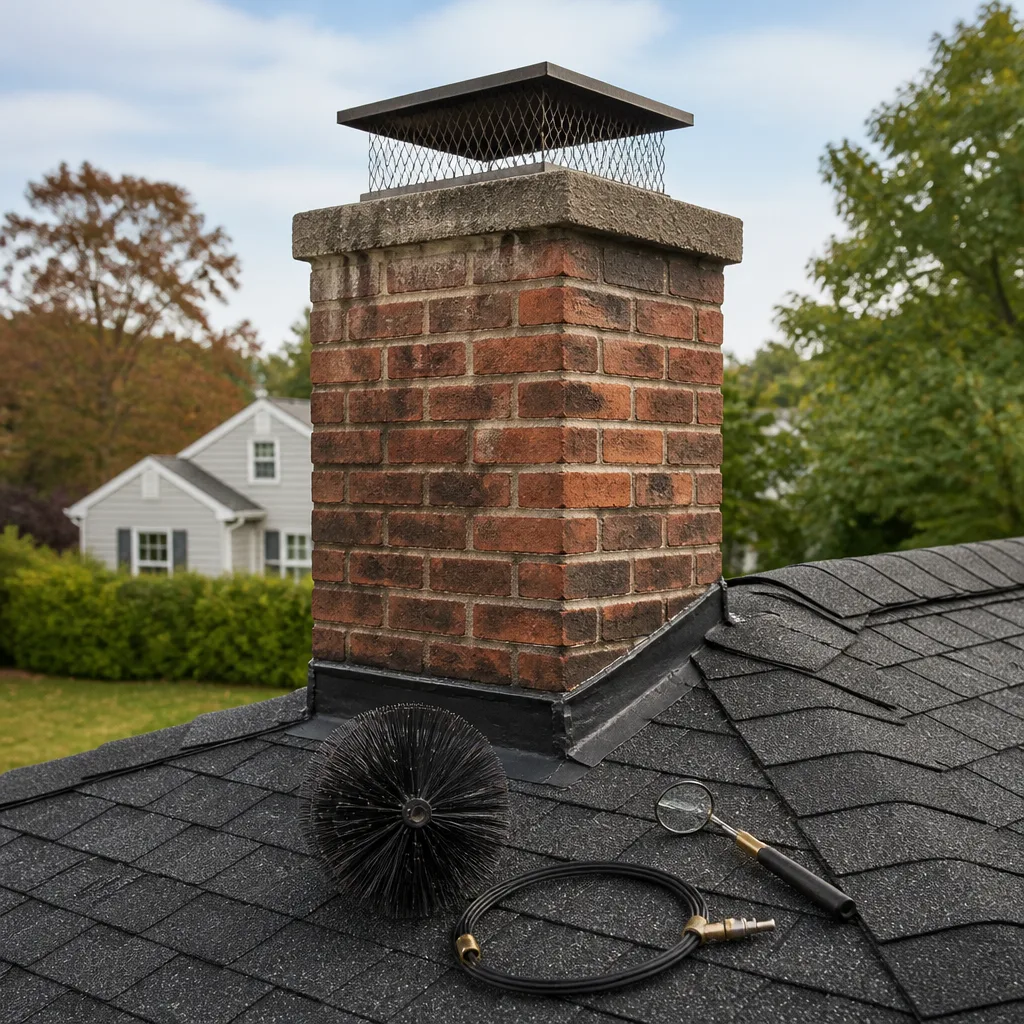 Sweep & inspection
 Caps & crowns
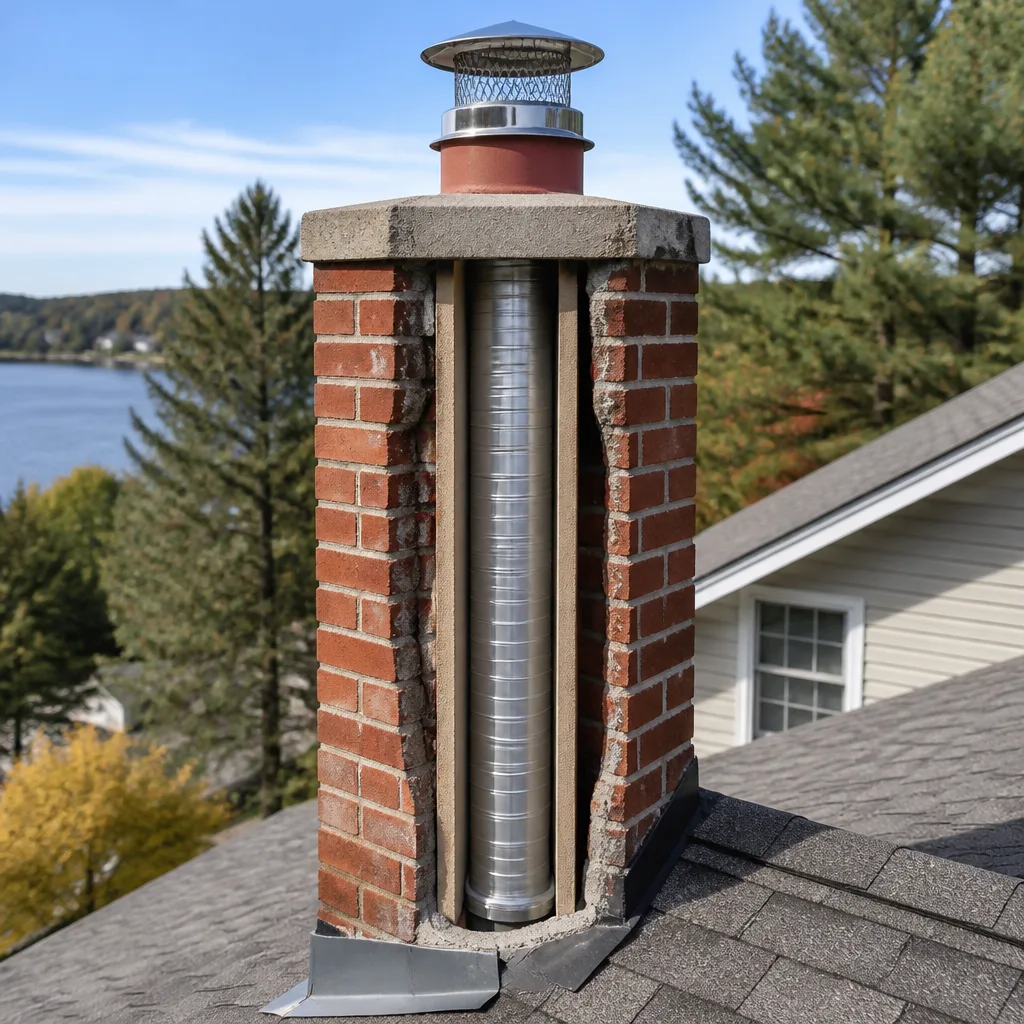 Flue relining
 Masonry repair
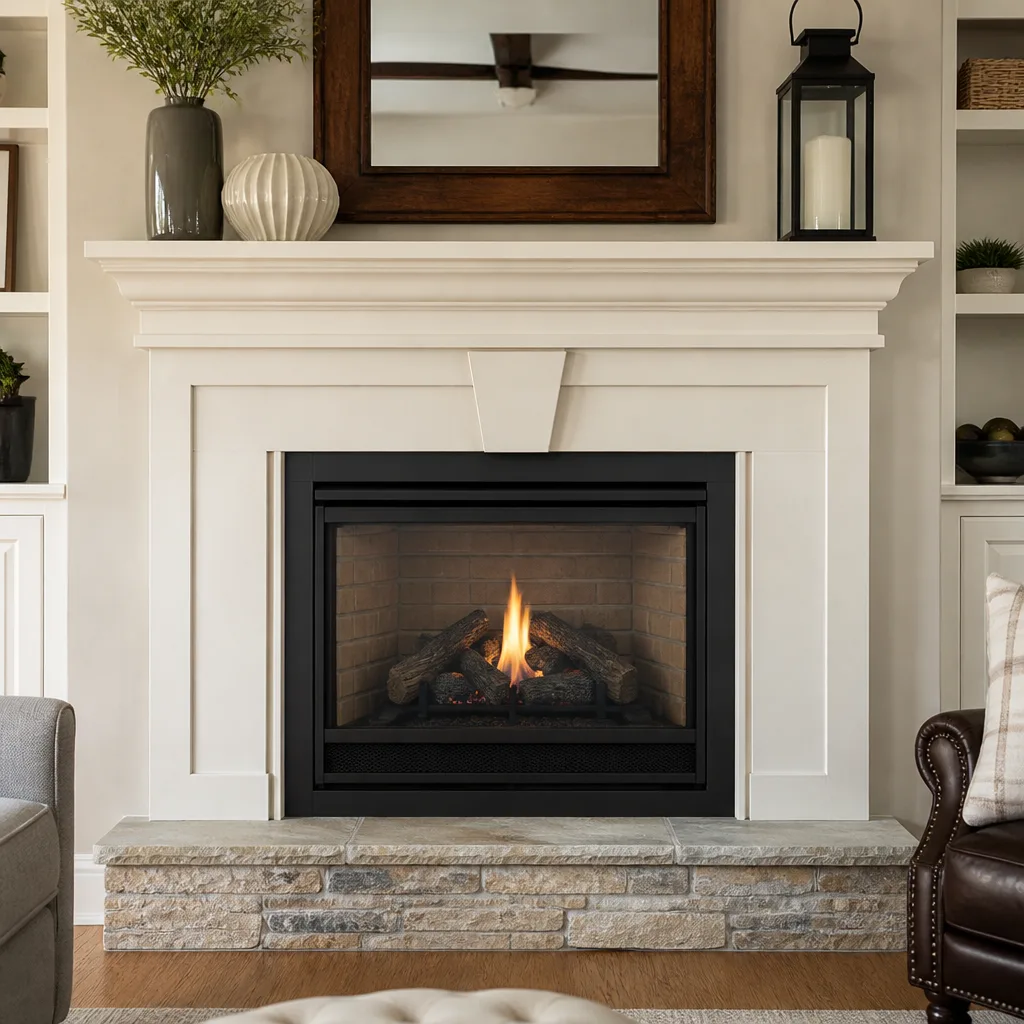 Gas fireplace service
Level 1 sweep and inspection to the NFPA 211 annual standard - flue, crown, cap, and flashing checked and photographed
Chimney sweep logs do not sweep chimneys. They loosen some creosote - which then falls where a brush and vacuum still have to collect it.
How to Hire a Chimney Cleaning Contractor in Jurupa Valley: A Step-by-Step Guide
The most common hiring mistake isn’t skipping credentials, it’s hiring a cleaning-only service and then needing a second contractor when they discover a cracked liner or a failed smoke chamber. That doubles your scheduling, your cost, and your hassle. This guide walks through the exact questions to ask, the red flags to catch early, and the line items a serious Jurupa Valley chimney contractor should include in a written estimate. By the end, you’ll know how to separate a sweep who can only push a brush from one who can diagnose and repair what they find.
Styles & brands we work with
- Sweep & inspection
- Caps & crowns
- Flue relining
- Masonry repair
- Gas fireplace service
Quick Answer
To hire a chimney cleaning contractor in Jurupa Valley, verify their California contractor license, ask pointed questions about repair capability (not just brushing), confirm they provide a written inspection report with photos, and insist on a line-item estimate before booking. The strongest signal of a qualified contractor is whether they stock professional-grade materials like DuraFlex liners or HeatShield resurfacing compound, because that tells you they can actually fix problems rather than just refer you elsewhere.
Table of Contents
- Why Repair Capability Matters More Than the Sweep Itself
- Step 1: Verify the California Contractor License
- Step 2: Ask About Materials Before You Ask About Price
- Step 3: Understand What Inspection Levels Actually Mean
- Step 4: Read Estimates Like a Contractor Would
- Step 5: Compare Two Bids That Look Different on Paper
- Step 6: Know What Jurupa Valley Climate Means for Your Chimney
- Common Mistakes to Avoid
- When to Call a Professional
- Frequently Asked Questions
- The Bottom Line
Why Repair Capability Matters More Than the Sweep Itself
Here’s the uncomfortable truth about the chimney service industry: most companies can clean. Very few can repair. And in Jurupa Valley, where many homes were built between the 1970s and 1990s, the flue liners and fireboxes in those chimneys are now hitting the age where deterioration shows up. A routine cleaning often turns into a discovery call. If the person holding the brush can’t also quote you on a stainless steel liner replacement or a HeatShield resurfacing, you’re about to make two appointments, pay two minimums, and wait two schedules.
We’ve seen this play out repeatedly in neighborhoods across Jurupa Valley. A homeowner books a chimney sweep, the technician finds spalling brick or a cracked flue tile, and then says, “You’ll need a repair company for that.” Now the homeowner starts the search over, this time under pressure. The smarter approach is to hire a contractor who handles both from day one.
Think of it this way: a cleaning-only company is like a car wash that can’t change your oil. They might do a fine job with the surface work, but they’re not equipped to tell you whether the vehicle is safe to drive. When we clean a chimney in Jurupa Valley, the inspection happens as part of the visit, not as an upsell. If we find a problem, we can usually quote the fix on the spot because the materials and capability are already in the truck. DuraFlex liner systems, HeatShield compound, replacement dampers. That’s the difference between a vendor and a contractor.
Step 1: Verify the California Contractor License
Before you ask about brushes or pricing, check the license. In California, chimney work generally falls under the C-61 specialty contractor classification, specifically the D-40 service and equipment specialty, though some contractors operate under a C-29 masonry classification if they do structural work. The point is: a legitimate chimney contractor in Jurupa Valley holds a state-issued license, and you can verify it in about two minutes on the Contractors State License Board website.
Here’s the step-by-step:
- Ask the contractor for their license number. If they hesitate or give you a business name only, that’s an immediate red flag.
- Search the CSLB database by name or number. Confirm the license is active, not expired or suspended.
- Check the classification. It should reflect chimney, masonry, or a relevant specialty. A general building contractor (B license) can legally do chimney work, but ask whether chimney systems are a primary service or an occasional side job.
- Look for workers’ compensation insurance. If a worker falls off your roof in Jurupa Valley and the contractor has no workers’ comp, that liability can land on you.
- Ask about bond status. A contractor bond exists to protect you if the work isn’t completed per contract.
One note on certifications, because there’s confusion here. The Chimney Safety Institute of America (CSIA) offers a respected certification for sweeps. It means the technician passed an exam on inspection, cleaning, and code basics. It’s a meaningful signal, not a marketing badge, but it’s also not a license. A CSIA-certified sweep who shows up without a California contractor license is still operating illegally. Treat certification as a plus, not a substitute for state licensing. When we hire and train technicians, the licensing comes first, and any additional certifications build on top of that foundation.
Step 2: Ask About Materials Before You Ask About Price
Most homeowners never think to ask what materials a chimney company uses, and that’s exactly what separates the serious operators from the one-truck generalists. The materials a contractor stocks tell you whether they’re prepared to repair or only prepared to clean.
Here’s the question to ask: “If you find a cracked flue liner during the cleaning, what do you do next?”
Listen carefully to the answer. A cleaning-only service will say something like, “We’ll refer you to a repair specialist.” A full-service contractor will start naming products. We use Chimney Repair in Jurupa Valley capability built around brands like DuraFlex for flexible stainless steel liner systems. That’s not a hardware-store product. It’s a trade-grade liner that certified chimney specialists across the country rely on for relining masonry chimneys. If a contractor can’t name the liner system they install, they probably don’t install one.
HeatShield is another one. It’s a resurfacing compound applied to deteriorating flue tiles. Most sweeping companies don’t offer it because it requires specific training and application equipment. But for many Jurupa Valley homes with early-stage flue deterioration, HeatShield can extend the life of the chimney without a full teardown. We apply it in-house. If a contractor says they “recommend” HeatShield but farm out the application, ask yourself whether you want two crews on your roof or one.
Other brands worth hearing: Olympia Chimney, a respected trade supply network, and Gelco, a manufacturer of chimney caps and dampers. When a contractor names their material suppliers, it means they’re ordering through professional channels, not grabbing whatever’s on sale at the local home center. That’s the difference between “professional-grade parts” and hardware-store substitutes.
Step 3: Understand What Inspection Levels Actually Mean
Chimney inspections are not all the same thing, and one of the most common consumer blind spots in Jurupa Valley is assuming that “we’ll take a look” equals a real inspection. It doesn’t. The industry recognizes three levels of inspection, and you should know which one you’re getting before the technician arrives.
A Level 1 inspection is visual and surface-level. The technician checks the accessible parts of the chimney, the firebox, the damper, and the exterior. This is the standard inspection during a routine sweep when nothing has changed about the system. If you use your fireplace regularly and haven’t had issues, Level 1 is appropriate.
A Level 2 inspection includes everything in Level 1 plus video scanning of the flue interior. You need this if you’re buying or selling a home, if you’ve had a chimney fire, if there’s been a seismic event, or if you’re changing fuel type, say converting from wood to gas. In Jurupa Valley, where earthquakes are a reality and where many homes are changing hands, Level 2 inspections are more common than homeowners expect.
A Level 3 inspection is invasive, meaning parts of the chimney structure may need to be opened up. This happens rarely, usually after a Level 2 reveals serious structural concerns.
When you call a chimney contractor, say this: “What level inspection is included with the sweep, and will I get a written report?” If they can’t answer the first question or say “we just look at what we can see” without offering video, you’re not getting a meaningful assessment. A written report with photos matters. You should be able to see what the technician saw, not just take their word for it. We explain what’s happening inside your flue, not just what we charged you for.
Step 4: Read Estimates Like a Contractor Would
When the estimate arrives, whether by email or on paper, read it the way a building inspector would. Vague scope language is the most consistent red flag in chimney estimates, and it’s where homeowners in Jurupa Valley get burned.
Here’s what a legitimate chimney sweeping estimate should include, line by line:
- Fresh sweep brush service, including removal of creosote and soot from the flue interior.
- Inspection level specified by name, typically Level 1 or Level 2.
- Written or digital photo report of findings.
- Firebox cleaning and inspection, with condition notes.
- Damper inspection and operation check.
- Chimney cap inspection, with note on whether replacement is recommended and why.
- Any sealant, crown repair, or flashing work, described specifically by location.
- List of materials needed, with brand names where applicable.
- Total flat price, broken out by line item.
What should make you pause:
- “Chimney service” or “full cleaning” as the only line item, with no breakdown.
- No mention of inspection level at all.
- No written report included, or “report available on request.”
- Material descriptions like “high-quality supplies” or “professional parts” with no brand names.
- Work described as “as needed” without defining what triggers the need.
An estimate is a contract preview. If it’s vague on paper, it’ll be vague when questions come up, and you’ll be the one paying for the ambiguity.
Step 5: Compare Two Bids That Look Different on Paper
Let’s say you get two estimates for the same chimney in Jurupa Valley. One is $189, one is $340. The first instinct is to take the cheaper one. Here’s why that’s often a mistake.
A $189 chimney sweep in Jurupa Valley is typically a volume operation. The technician has three or four stops that day, the cleaning takes 30 to 45 minutes, and the inspection is a visual once-over at best. If that’s what you need and your chimney has been swept regularly, fine. But most homeowners in this area haven’t had their flues inspected since they moved in, and a quick sweep tells you nothing about the condition of your liner, your smoke chamber, or your chimney crown.
The $340 quote should include more. A full video scan. A written report with photos. Firebox cleaning. Damper operation check. Time spent answering your questions. If both quotes are for the same services, one of two things is happening: either the cheap quote is leaving something out, or the expensive quote is padding. The only way to know is to compare line items side by side.
Here’s how to run that comparison:
- Put both estimates side by side and match line items. Circle what appears on one and not the other.
- Ask the cheaper contractor to confirm in writing that their quote includes the same inspection level and report.
- Ask the more expensive contractor to explain the difference. If they can’t justify it in plain language, that’s a red flag too.
- Check which contractor named materials. The one who said “DuraFlex liner if needed” or “HeatShield resurfacing” has capability the other may not.
- Look at who will actually do the work. Subcontractors are not automatically bad, but you want to know who’s on your roof and whether they’re covered by the contractor’s insurance.
Price difference is normal. What matters is whether the difference reflects real value or just marketing.
Step 6: Know What Jurupa Valley Climate Means for Your Chimney
Jurupa Valley sits in the Inland Empire, where summers push past 100 degrees and winter nights can dip into the 30s. That temperature swing matters for masonry. Brick and mortar expand in heat and contract in cold, and after enough cycles, hairline cracks appear. Add the occasional heavy rain in winter, and water intrusion becomes the most common chimney problem we see in this area, outpacing creosote buildup by a wide margin.
What this means for hiring: ask your contractor about water management, not just cleaning. A serious Jurupa Valley chimney company should be able to talk about chimney caps, crown sealant, and flashing as part of the maintenance conversation. If the only answer you get is about creosote, they’re not thinking about the climate your chimney actually lives in.
It also means seasonal timing matters. Spring and early fall are the sweet spots for scheduling in Jurupa Valley. Summer is too hot for sealant and crown work to cure properly in direct sun, and winter is when everyone remembers their chimney and the schedule backs up. If you’re reading this in July, and your chimney hasn’t been checked in years, book the inspection now and plan any repair work for the cooler months. If you use your fireplace through winter, a pre-season sweep and inspection in September or October is the smartest move.
This guide covers the hiring process, but if you want the deeper context on Chimney Sweep in Jurupa Valley, we’ve written about local considerations in more detail. For now, the key point is that Jurupa Valley’s climate makes water intrusion and heat-damaged crowns as much a priority as creosote, and your contractor should know that.
Common Mistakes to Avoid
- Hiring without a license check. Takes two minutes on the CSLB website. Skipping it is how homeowners end up with uninsured workers on their roof and no recourse when something breaks.
- Choosing the cheapest quote without comparing scope. A low price usually means a shorter visit, no video scan, and no written report. You’re not saving money; you’re buying less information.
- Not asking about repair capability. This is the big one. If your chimney has a problem, a cleaning-only company just hands you a new search, and now you’re hiring under pressure.
- Accepting “it looks fine” without photos. A verbal assurance is not an inspection. If you can’t see what they saw, you’re taking a stranger’s word on an appliance that burns fuel inside your house.
- Ignoring the dryer vent. More house fires in the U.S. start from clogged dryer vents than from chimneys. Here’s the offer most homeowners don’t expect: we clean Dryer Vent Cleaning in Jurupa Valley as part of the same service call, which means one appointment covers two of the most common fire hazards in your home. Your dryer vent is a fire hazard too, and it’s often more clogged than the chimney it shares the house with.
- Waiting until fall to book. Jurupa Valley chimney schedules fill up in October and November. If you know your chimney needs work, get on the calendar before the rush.
- Not asking who does the actual work. If the company subcontracts repairs, you want that in writing, along with confirmation that the subcontractor is licensed and insured. Otherwise, the cheapest bid just became the most complicated one.
When to Call a Professional
Call a chimney contractor in Jurupa Valley if you haven’t had the flue inspected in more than two years and you use your fireplace or gas insert regularly. Call sooner if you notice any of these: a smoky smell in the house even when the fireplace isn’t running, white staining on the exterior brick, crumbling mortar on the crown, rust on the damper, or animals nesting in the flue. If you’ve had a chimney fire, even a small one that burned itself out, you need a Level 2 inspection before the next burn. And if your dryer has been taking longer to dry clothes or the vent flap outside doesn’t open when the dryer runs, that vent needs attention. Chimney Sweep Jurupa Valley home services cover all three, and we offer free estimates in Jurupa Valley, call (866) 285-4905.
Frequently Asked Questions
A basic chimney sweep in Jurupa Valley typically runs between $150 and $250, while a sweep with a Level 2 video inspection and written report runs $280 to $450 – see our Chimney Cleaning Cost Breakdown for what drives those numbers. The difference reflects inspection depth and scope of cleaning. When you’re comparing prices, the question isn’t just “how much” but “what’s included,” because the cheaper quote often leaves out the inspection level and report that tell you whether the chimney is actually safe to use. Call (866) 285-4905 for an exact quote, estimates are free.
Not always, and anyone who says “definitely” before showing you visual evidence should be questioned. A cracked flue tile can sometimes be repaired with HeatShield resurfacing, and some cracks are superficial enough to monitor. You need to see the video or photos for yourself. If the damage is extensive, a DuraFlex liner system relines the entire flue and addresses the safety issue permanently. Nothing should be recommended without camera evidence you can review. Call (866) 285-4905 to talk through what the inspection actually showed, and we’ll tell you plainly if work can wait.
The National Fire Protection Association says once per year for wood-burning fireplaces, and that’s the baseline we use in Jurupa Valley. If you burn more than a cord of wood per season, or if you burn soft woods like pine that create more creosote, you may need a mid-season sweep. Gas inserts produce less residue but still need annual inspection for venting issues. Call (866) 285-4905 and we’ll help you figure out the right cadence based on how you actually use your fireplace.
Creosote builds up on the flue walls. It’s a flammable tar byproduct of wood smoke, and when enough of it accumulates, a stray ember can ignite it into a chimney fire that burns at temperatures hot enough to crack the flue liner and spread into the house framing. Even without a fire, a blocked or deteriorating flue can push carbon monoxide back into the living space. These are not hypothetical risks in Jurupa Valley homes, they’re real, documented outcomes of deferred maintenance that our Chimney Cleaning Emergency Preparedness Guide helps you avoid. Call (866) 285-4905 and get it checked before it becomes an emergency.
Yes, and it’s actually the better season to do it. The flue is dry, there’s no urgency, and if the inspection turns up repair work, you have months to schedule it before burning season. Summer inspections in Jurupa Valley also catch water damage from the previous winter’s rain while it’s still relatively small and inexpensive to fix. Call (866) 285-4905 to book an inspection now rather than waiting for the fall backlog.
Yes, and more urgent than most people think. Lint clogs the vent pipe, and lint is highly flammable. The dryer then has to work harder, which overheats the motor and increases the fire risk at the same time it’s failing to do its job. Homes in Jurupa Valley with long vent runs, like dryers located in interior laundry rooms, accumulate lint faster and need cleaning at least once a year. We use Famco venting components when repairs are needed, and Dryer Vent Cleaning in Jurupa Valley is something we handle alongside chimney service on the same call. Call (866) 285-4905 to add it to your next visit.
The Bottom Line
Hiring a chimney contractor in Jurupa Valley comes down to a handful of questions that most homeowners never think to ask, and we’ve covered more guides & resources to help you get it right. Is the license active and classified for chimney work? What materials does the contractor stock, and can they name them? What level of inspection is included, and will you get a written report with photos? If the answers are vague, the work will be too. If the answers are specific and product-based, like DuraFlex and HeatShield, you’re talking to someone who can actually fix what they find. That’s the whole game. Cleaning is step one, we also fix what we find. So before you book the cheapest sweep, call (866) 285-4905 and get a free estimate from a contractor who can do the job from start to finish.
Written by the team at Chimney Sweep Jurupa Valley, serving Jurupa Valley since 2015.
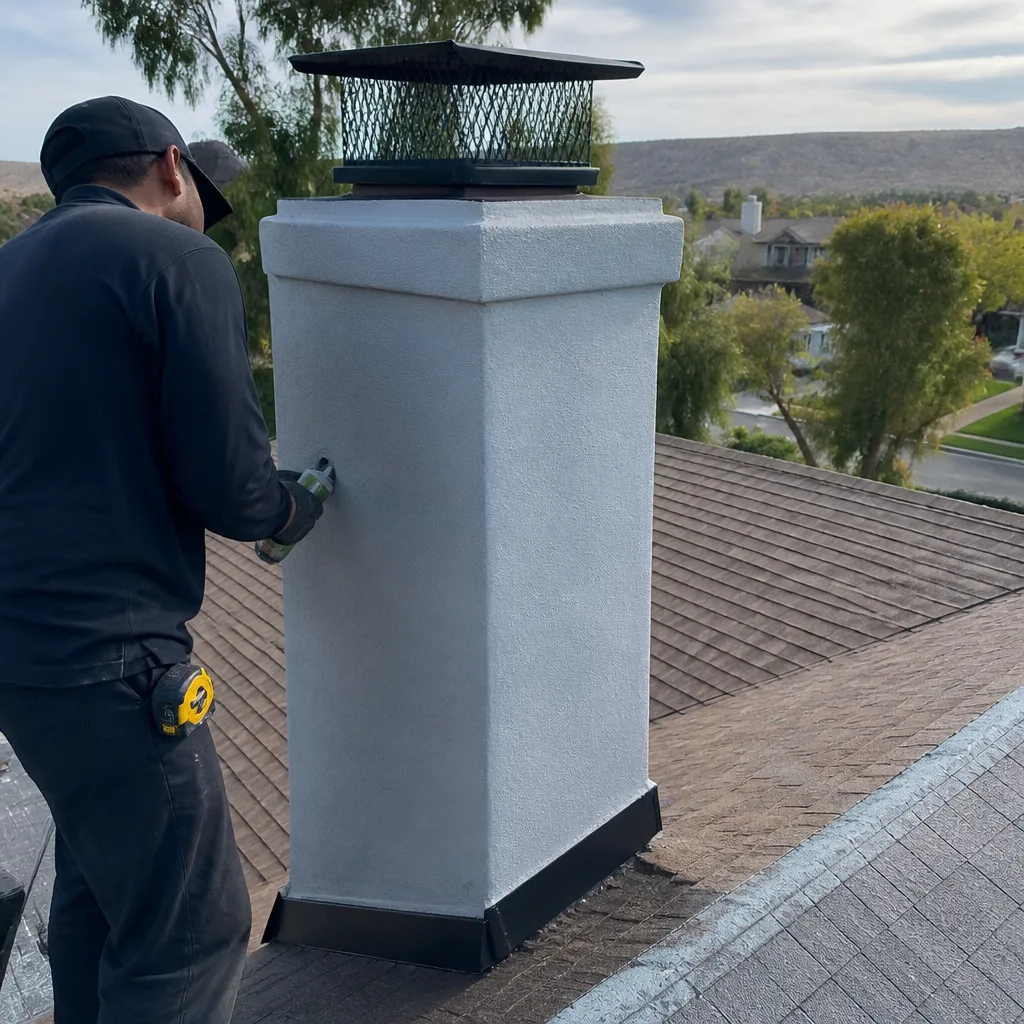
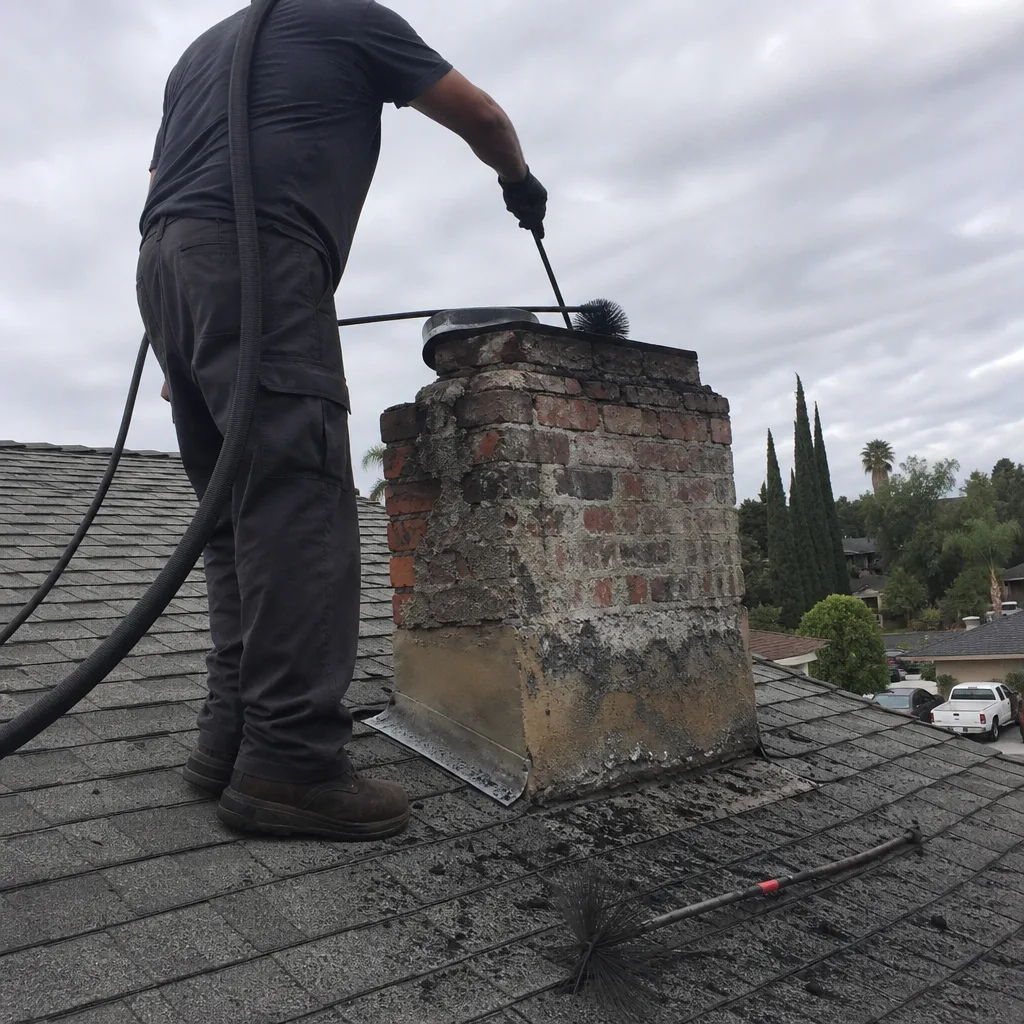
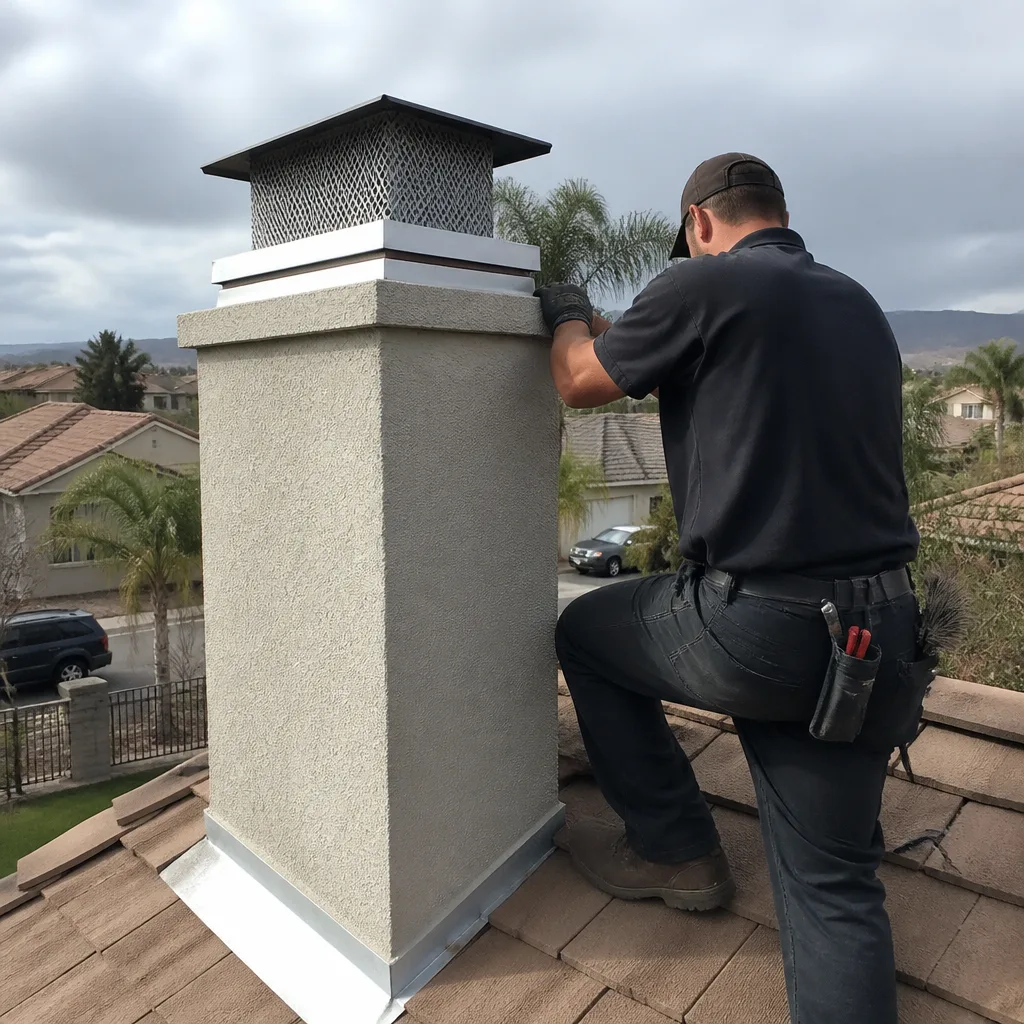
See the difference
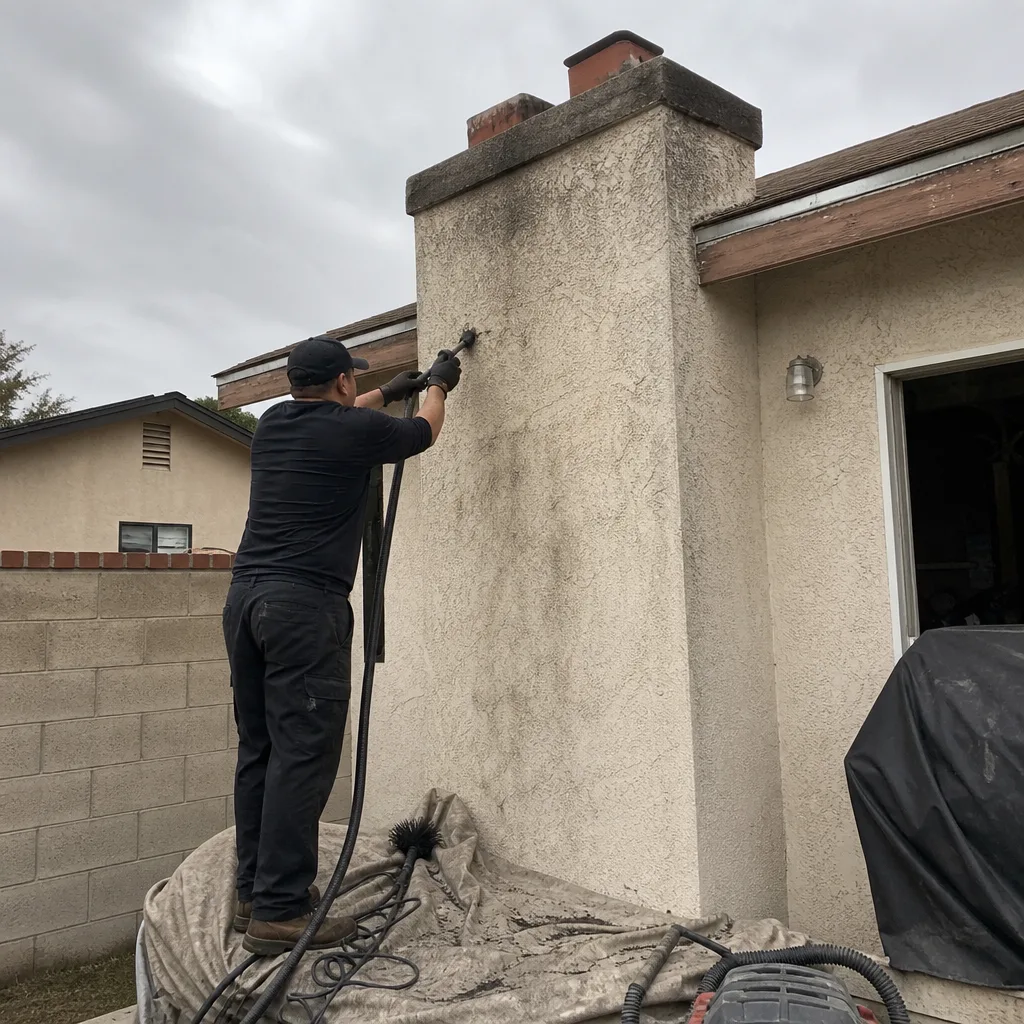 Before
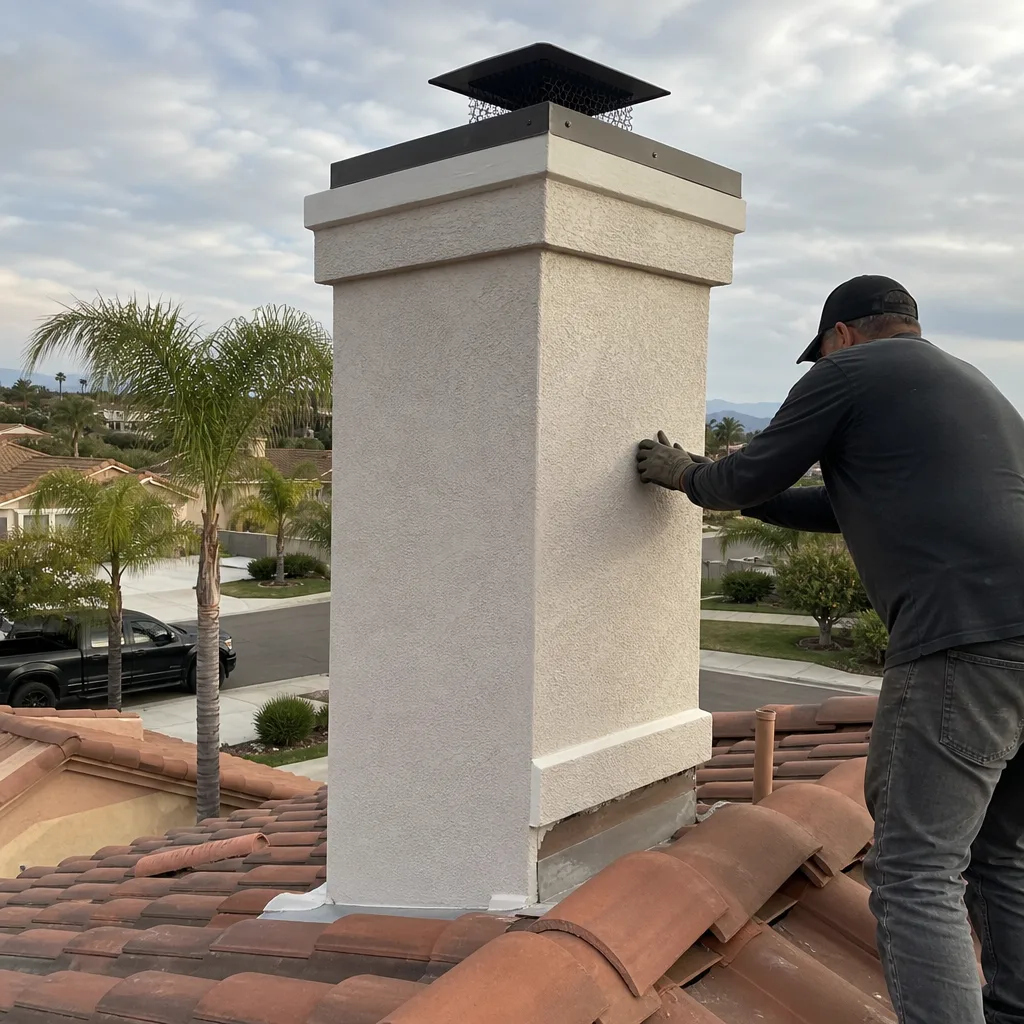 After
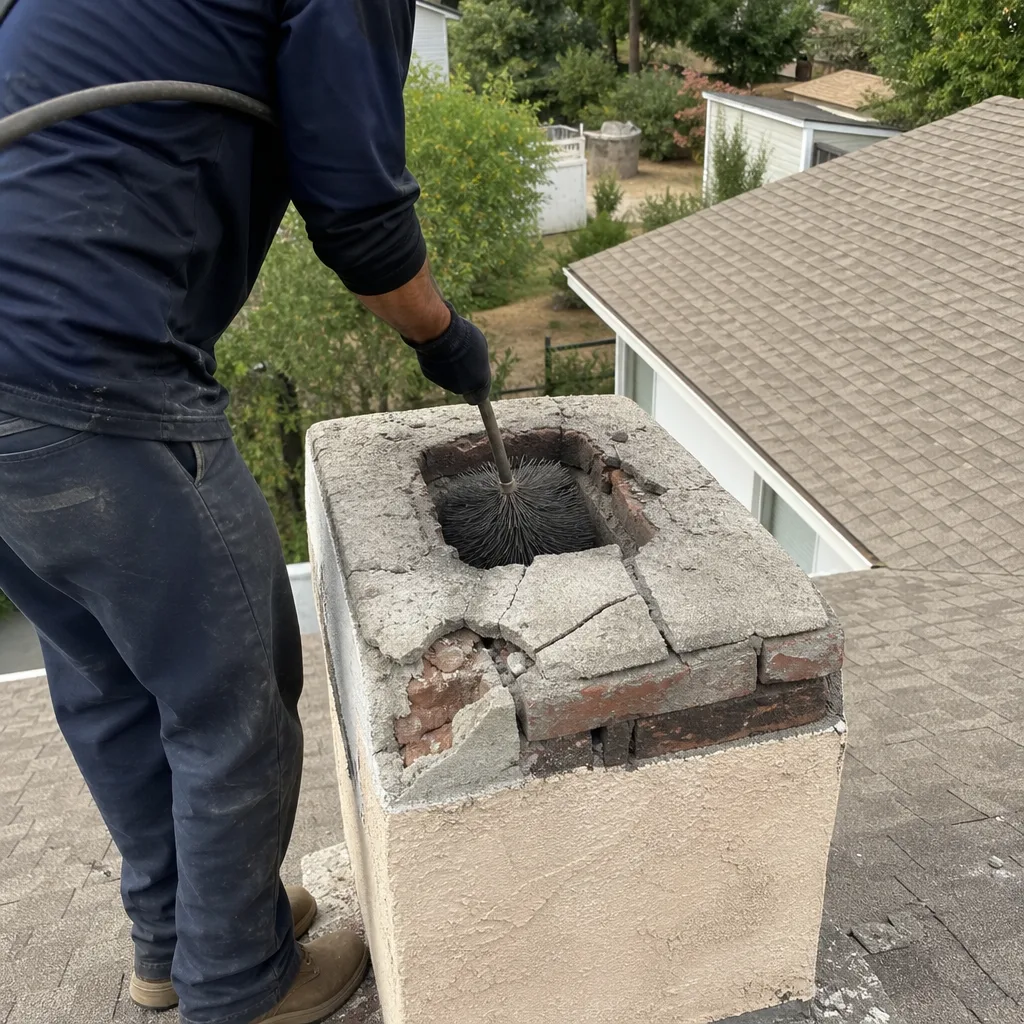 Before
 After
 Before
 After