
Last updated November 2, 2026
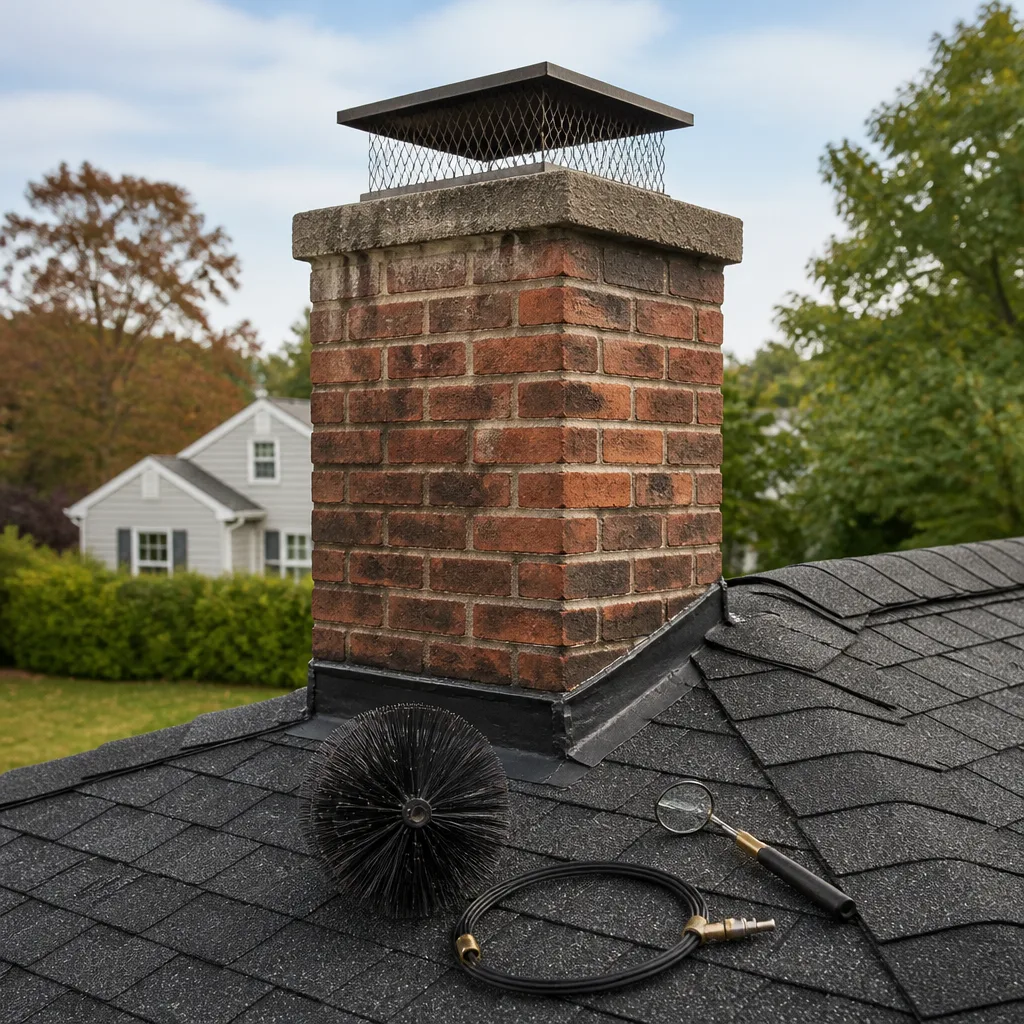 Sweep & inspection
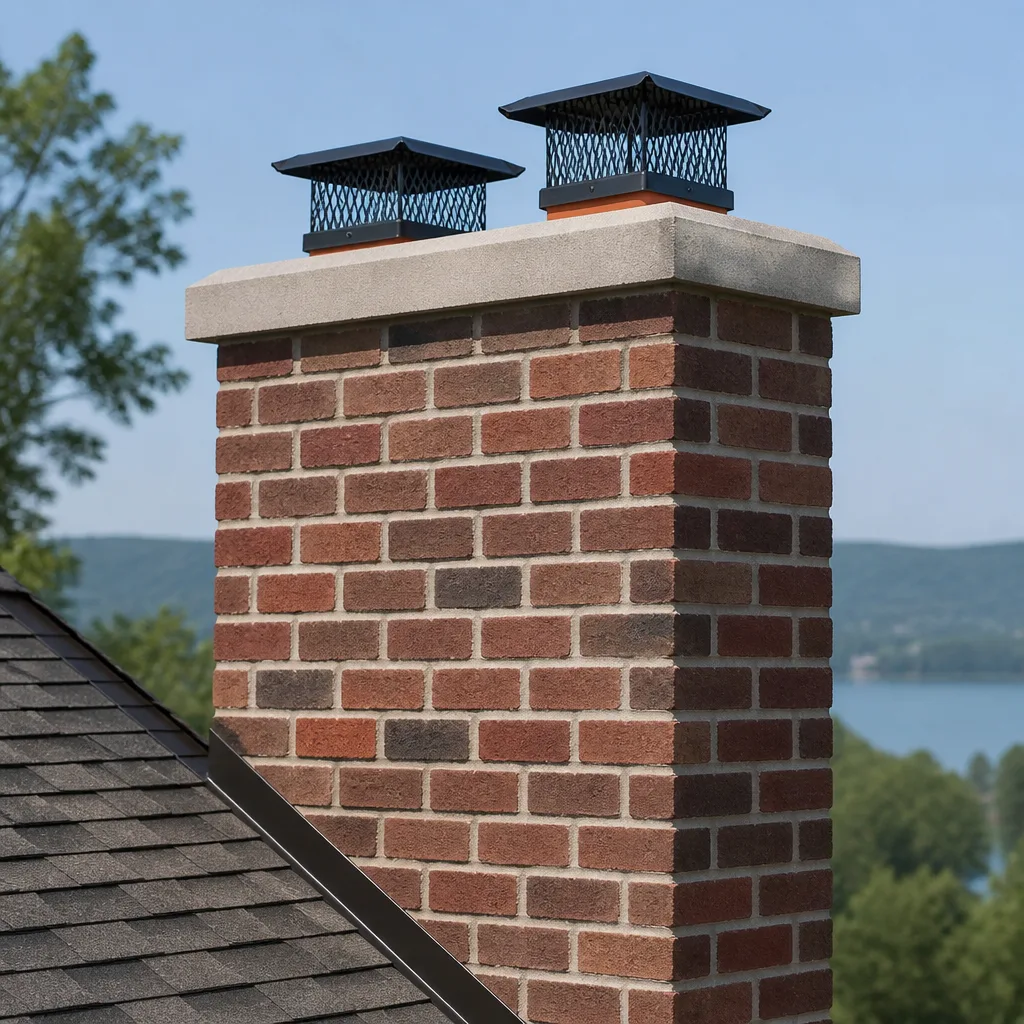 Caps & crowns
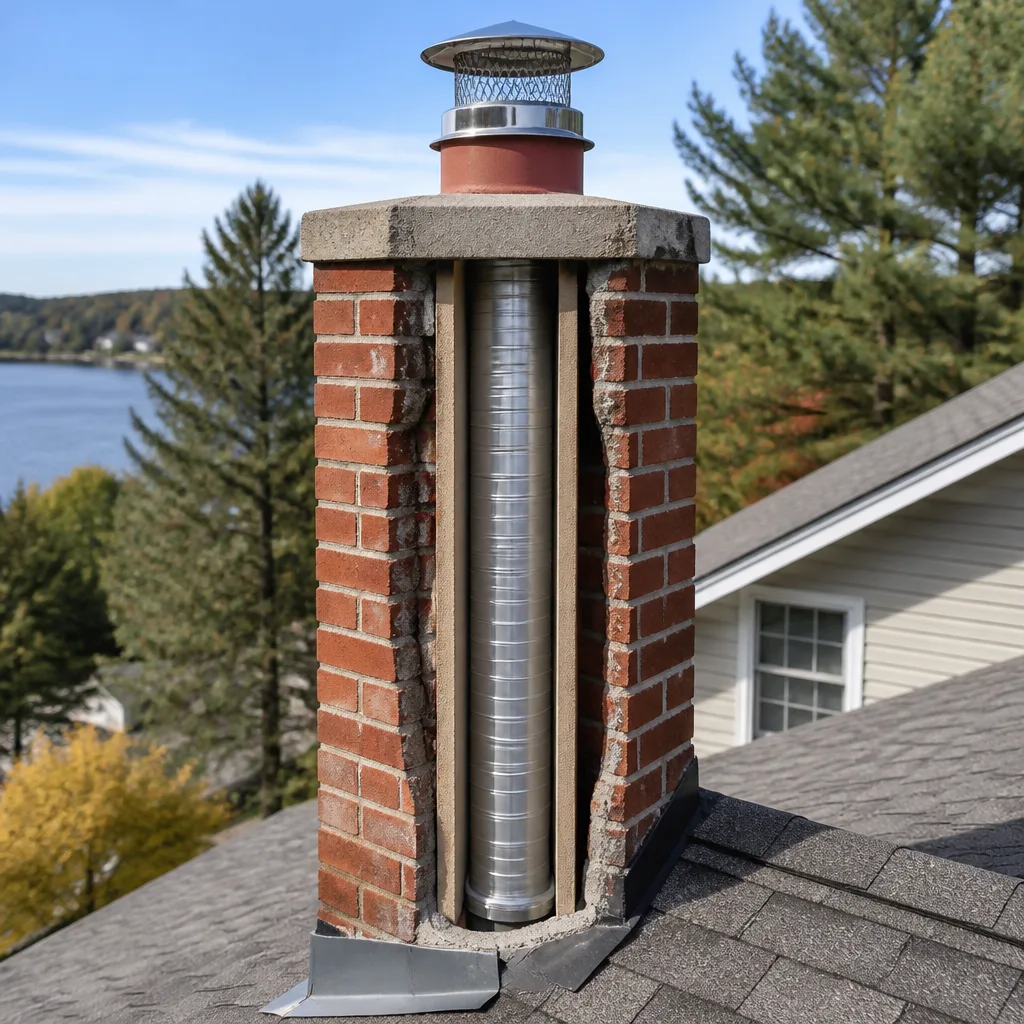 Flue relining
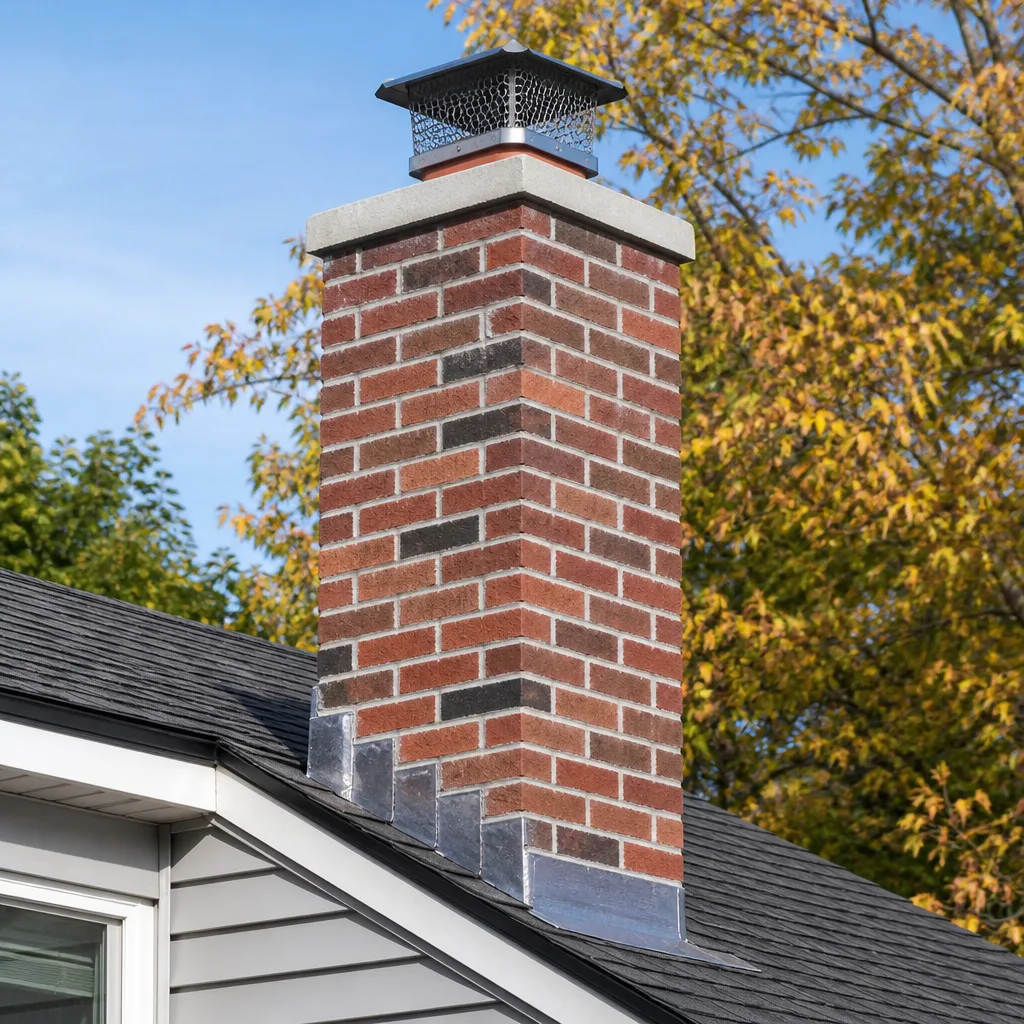 Masonry repair
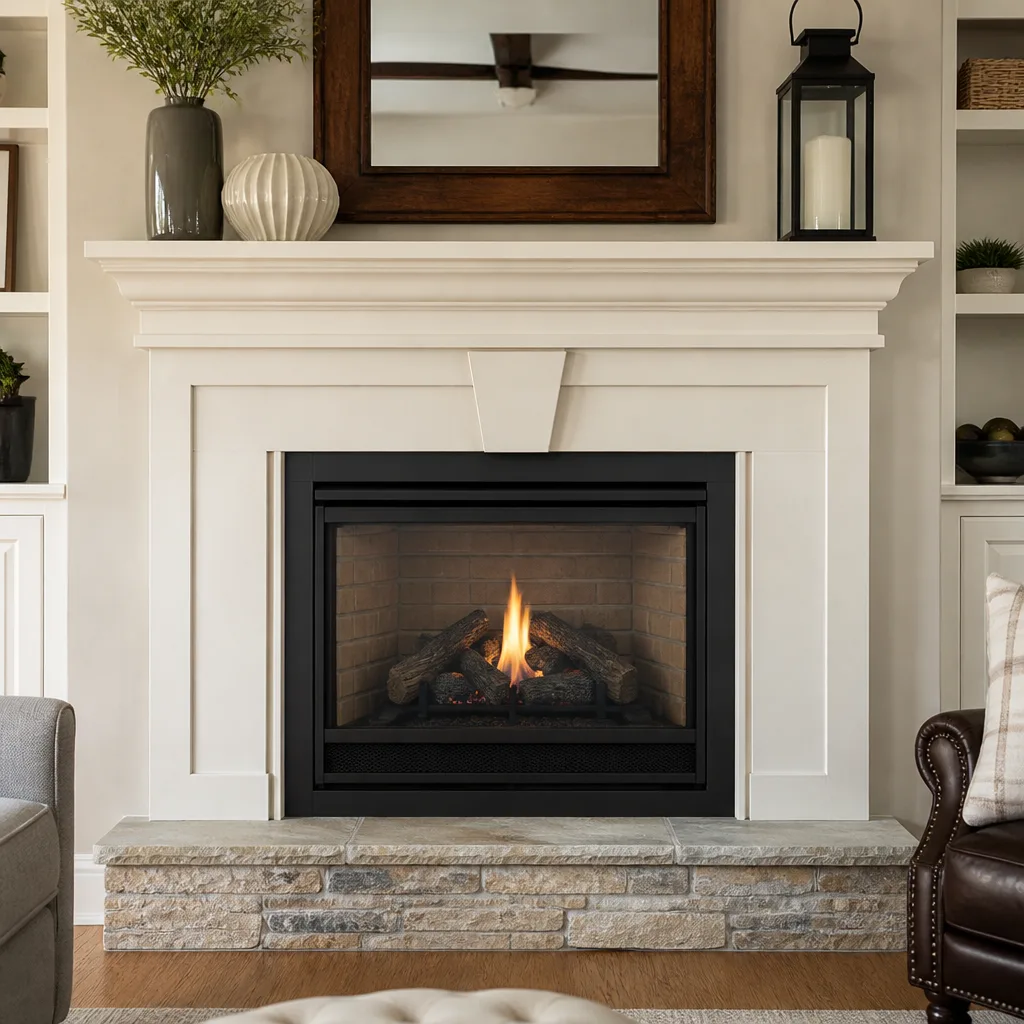 Gas fireplace service
Level 1 sweep and inspection to the NFPA 211 annual standard - flue, crown, cap, and flashing checked and photographed
Chimney sweep logs do not sweep chimneys. They loosen some creosote - which then falls where a brush and vacuum still have to collect it.
Chimney Cleaning Permits, Codes & Inspections in CA: What You Need to Know
Here’s a counterintuitive fact most California homeowners don’t discover until it costs them money: a basic chimney sweep almost never requires a permit, but a chimney liner replacement often does. The distinction lives in California Residential Code Section R1003, and it separates routine maintenance from structural modification. If you live in Jurupa Valley, Riverside County adds its own layer of rules on top of state code, and sloppy contractors count on you never looking them up. This guide maps exactly when permits are required, when they aren’t, what triggers a Level 2 inspection, and how unpermitted work can surface years later during a home sale.
Styles & brands we work with
- Sweep & inspection
- Caps & crowns
- Flue relining
- Masonry repair
- Gas fireplace service
Quick Answer
Chimney cleaning and routine maintenance do not require a permit anywhere in California, including Jurupa Valley. However, chimney liner replacement, structural masonry repair, or any modification to the flue system typically requires a building permit under California Residential Code R1003, and unpermitted liner work can create serious liability during a home sale or insurance claim.
Table of Contents
- The Permit vs. Cleaning Distinction: What California Code Actually Says
- How Riverside County and Jurupa Valley Layer Local Rules on State Code
- Level 2 Chimney Inspections: When California Code Triggers Them
- Unpermitted Liner Work and Home Sales: The Liability You Don’t See Coming
- CARB Wood-Burning Rules and Chimney Compliance in Jurupa Valley
- What a Legitimate Chimney Inspection Actually Covers
- Common Mistakes to Avoid
- When to Call a Professional
- Frequently Asked Questions
- The Bottom Line
The Permit vs. Cleaning Distinction: What California Code Actually Says
California Residential Code (CRC) Section R1003 governs chimneys and fireplaces. The code draws a sharp line between work that maintains an existing system and work that changes it. Cleaning, sweeping, and visual inspection fall on the maintenance side. Replacing a flue liner, rebuilding a firebox, or altering venting configuration falls on the modification side.
A standard chimney sweep removes creosote and soot from the flue walls. You’re restoring the chimney to its designed condition. No permit. No building department notification. The same applies to dryer vent cleaning, which is a mechanical maintenance task with no structural component.
But here’s where it gets specific. If a sweep uncovers a cracked flue tile and recommends a stainless steel liner installation, that liner becomes a permanent modification to the venting system. Chimney Sweep Jurupa Valley home guides on this distinction because we’ve seen too many homeowners pay for liner work without a permit, only to find out when they try to sell.
Section R1003.1 requires chimneys and fireplaces to be constructed, altered, or repaired in accordance with the code. “Repaired” is the operative word. The building department interprets repair as any work that restores structural integrity or changes the system’s performance characteristics. A stainless steel liner changes draft dynamics, changes clearance requirements, and changes the system’s thermal profile. That’s alteration, not maintenance.
What about masonry repointing? If you’re tuckpointing a few loose bricks on the exterior chimney chase, most inspectors consider that cosmetic maintenance. If you’re rebuilding the top ten courses because the mortar has failed and the structure is compromised, that’s structural repair and requires a permit.
What Never Needs a Permit in California
- Chimney sweeping and creosote removal
- Visual inspections (Level 1)
- Chimney cap replacement (non-structural, slip-on models)
- Damper replacement (top-mount or throat-mount, when not altering the flue)
- Fireplace glass door installation
- Dryer vent cleaning and basic vent component replacement
What Usually Needs a Permit in California
- Stainless steel liner installation (flexible or rigid)
- Flue tile replacement or HeatShield resurfacing that alters the flue dimensions
- Firebox rebuild or major masonry repair
- Chimney tear-down and rebuild (partial or full)
- Adding a new fireplace or wood stove where none existed
- Converting a wood-burning fireplace to gas (fuel type change triggers code review)
In Jurupa Valley, the terrain matters. Homes in the Mira Loma area and along the Santa Ana River corridor sit on alluvial soil that shifts. We regularly see chimney settlement cracks in those neighborhoods that homeowners mistake for cosmetic issues. When a crack extends through the flue liner, you’re no longer in maintenance territory. That’s a structural condition that affects fire safety, and fixing it correctly means pulling permits.
How Riverside County and Jurupa Valley Layer Local Rules on State Code
California is a home-rule state for building codes, which means local jurisdictions can amend the CRC to be more restrictive. Riverside County and the City of Jurupa Valley both publish local amendments online, and they’re not always easy to find if you don’t know where to look.
Jurupa Valley operates under Riverside County’s building department services agreement, which means county inspectors perform plan checks and field inspections for city residents. The county has adopted the California Residential Code with specific local amendments covering chimney height, clearance, and spark arrestor requirements. These amendments are published in the county’s municipal code and are searchable through the county’s online permit portal.
The practical takeaway: a chimney liner installation in Jurupa Valley requires a building permit from Riverside County, a plan showing the liner specification, a field inspection of the installation, and final sign-off before the fireplace returns to service. A contractor who tells you otherwise is either misinformed or cutting corners.
How to Look Up Local Amendments
- Visit the Riverside County Building & Safety Department website and navigate to the code adoption page.
- Search for “R1003” in the local amendments document to find chimney-specific changes.
- Check the Jurupa Valley city website for any overlay requirements related to historic districts or wildfire interface zones.
- Call the building department directly and ask whether your specific project needs a permit. They answer these questions daily.
- Ask any contractor you’re considering to show you a copy of the permit for a similar recent job. Legitimate operations keep records.
Jurupa Valley sits partly within a Wildland-Urban Interface (WUI) zone, particularly in the hillside areas east of Wineville Road. In WUI zones, Riverside County enforces stricter spark arrestor requirements and may require specific liner materials rated for higher heat exposure. This is exactly where material transparency matters. We work with DuraFlex liner systems because they’re engineered for the thermal demands of modern heating appliances, and we can show you the spec sheet before installation begins.
Level 2 Chimney Inspections: When California Code Triggers Them
A Level 2 inspection is the chimney industry’s standard for any condition where the system’s hidden elements need scrutiny. The National Fire Protection Association (NFPA) 211 standard defines three levels of inspection, and California code references NFPA 211 for chimney requirements.
A Level 1 inspection covers the readily accessible portions of the chimney, including the exterior, the firebox, and the visible flue interior. It’s what happens during a routine annual sweep. A Level 2 inspection adds video scanning of the entire flue interior, attic access points, and crawl space or basement areas where the chimney structure passes through.
California triggers a Level 2 inspection in three specific scenarios: real estate transfer, after a chimney fire, and after any building alteration that affects the chimney system. If you’re buying a home in Jurupa Valley, your home inspector will flag the chimney, but a specialist Level 2 inspection does what a generalist cannot: see the flue interior from firebox to chimney cap.
A chimney fire in Jurupa Valley’s older housing stock is more common than most people realize. Homes built before 1990 in areas like Pedley and Glen Avon often have unlined masonry chimneys or clay tile liners that have cracked under decades of thermal cycling. After any chimney fire, regardless of how small, California code path requires a Level 2 inspection before the fireplace can be used again. The video scan reveals whether the fire compromised the flue structure or liner integrity.
Unpermitted Liner Work and Home Sales: The Liability You Don’t See Coming
Here’s the scenario we hear repeatedly from Realtors and home inspectors in Jurupa Valley. A homeowner has a stainless steel liner installed by a handyman who charges half the going rate. No permit. No inspection. The liner works fine for five years. Then the house goes on the market.
California’s real estate disclosure requirements are strict. Sellers must disclose known material facts about the property, including any work done without required permits. If you check “no” on unpermitted work and the buyer discovers the liner, you’ve got a misrepresentation problem. If you check “yes,” the buyer’s lender may require the permit to be pulled retroactively, which means the installation must be exposed, inspected, and potentially corrected.
Retroactive permits are possible but expensive. The building department will require the liner to be accessible for inspection, which often means opening the chimney chase. If the liner was installed incorrectly, the fix can cost more than the original installation. And if the liner can’t be verified, some insurers will decline coverage until the system is brought into compliance.
The message: if you’re planning liner work in Jurupa Valley, do it through the permit process the first time. The paperwork is a minor inconvenience compared to the liability. And if you’re buying a home with a recently replaced liner, ask the seller for the permit number. No permit number, no proof of inspection. It’s that straightforward.
CARB Wood-Burning Rules and Chimney Compliance in Jurupa Valley
The California Air Resources Board (CARB) regulates wood-burning appliances and their emissions. While CARB rules primarily affect the sale and installation of new wood stoves and fireplaces, they intersect with chimney condition in ways that affect Jurupa Valley residents.
CARB’s wood-burning curtailment program operates under local air district enforcement. Jurupa Valley falls within the South Coast Air Quality Management District (SCAQMD), which runs one of the most active curtailment programs in the state. On No-Burn days, wood burning is prohibited in residential fireplaces unless the household qualifies for an exemption. The SCAQMD checks for visible smoke, and a poorly maintained chimney produces more of it.
Beyond the burn-day rules, CARB and SCAQMD have pushed the market toward cleaner-burning appliances. If your fireplace has an old, inefficient design, the air district offers incentive programs for retrofits. But any retrofit that changes the venting system triggers the same permit requirements we covered earlier. You can’t install a modern, compliant insert without ensuring the chimney system itself meets current code.
The practical point for Jurupa Valley homeowners: a well-maintained chimney burns cleaner, produces less visible smoke, and keeps you on the right side of air district enforcement. Regular sweeping is part of CARB compliance, even though no one frames it that way. Creosote buildup creates more particulate matter, more visible smoke, and more reason for a neighbor to call the air district.
What a Legitimate Chimney Inspection Actually Covers
We’ve met homeowners who think a chimney inspection means a quick look up the flue with a flashlight. A legitimate inspection goes far beyond that, and knowing what to expect protects you from paying for a service that doesn’t happen.
A proper Level 1 inspection includes the accessible portions of the chimney exterior, the flue interior from both the roof and the firebox, the damper operation, the firebox condition, the hearth dimensions, and the clearance to combustibles. If any red flags surface, the inspection escalates to Level 2 with video scanning.
In Jurupa Valley’s climate, one of the most common findings is moisture damage. The Santa Ana winds carry dust and debris that accumulate in chimney crowns, and when those crowns crack, water enters the masonry. Freeze-thaw cycles are less aggressive here than in the mountains, but the summer heat accelerates mortar deterioration. We identify cracked crowns and spalling brick on a significant percentage of inspections in older Jurupa Valley neighborhoods.
When we find damage, we show you the video footage. Not a summary. Not a verbal description. The actual scan. That’s the standard you should expect from any chimney company in Jurupa Valley, and it’s exactly how Chimney Sweep in Jurupa Valley operates. If a company can’t show you the interior of your own flue, what are you paying for?
Common Mistakes to Avoid
- Assuming all chimney work is permit-free because “cleaning” is. A sweep is maintenance. A liner is a modification. The distinction is structural, and the county enforces it.
- Hiring a contractor based on price without verifying permit history. The cheapest liner installation often skips the permit. That savings becomes a liability at closing.
- Skipping the Level 2 inspection on a home purchase because the general inspector said the chimney “looked okay.” General inspectors don’t video-scan flues. Hidden liner damage is invisible without a camera.
- Ignoring CARB burn-day restrictions in Jurupa Valley. A chimney that hasn’t been swept produces more smoke, and more smoke gets you noticed by the air district.
- Waiting to address cracks because the fireplace “still works.” Hairline cracks widen under thermal stress. In Jurupa Valley’s hot summers, that process accelerates.
- Trusting a verbal guarantee without paper. Get the permit number, get the inspection report, get the material spec sheet. Verbal assurance means nothing when the disclosure form lands on your desk.
When to Call a Professional
If you’ve never had your chimney inspected, start there. If you’ve had a chimney fire, call immediately and do not use the fireplace until a Level 2 inspection clears it. If you’re planning liner replacement or masonry repair, call before you sign with a contractor so you understand the permit path. Chimney Repair in Jurupa Valley requires a different skill set than sweeping, and you want a team that does both. Chimney Sweep Jurupa Valley offers free estimates in Jurupa Valley, and we handle the permit process from application to final inspection. Call (866) 285-4905 to schedule.
Frequently Asked Questions
A standard chimney sweep in Jurupa Valley typically runs between $150 and $300 depending on chimney height, accessibility, and creosote buildup severity. Our quotes are flat-price and confirmed before the sweep begins, so there’s no surprise upcharge when we arrive. Call (866) 285-4905 for an exact quote.
Yes, in most cases. A stainless steel liner installation is a modification to the venting system under CRC R1003, and Riverside County requires a permit for liner work in Jurupa Valley. Unpermitted liner work creates liability you’ll face at sale.
The NFPA recommends annual inspection and sweeping as needed, which for most wood-burning households means once a year, and you can find more guides & resources in our blog to stay on schedule. If you burn more than a cord of wood each season or burn softwoods that produce more creosote, you may need twice-yearly service.
Level 2 inspections typically cost between $250 and $400 in the Jurupa Valley area, depending on chimney height and access. The video scan equipment and reporting add to the cost, but they’re the only way to see liner damage that would otherwise remain hidden until it fails.
Insurers don’t typically require proof of annual chimney cleaning, but they may require documentation that the chimney system meets code if you file a fire claim. A chimney that hasn’t been maintained can become the basis for a claim denial.
No. SCAQMD enforces No-Burn days during high-pollution periods, and Jurupa Valley is within the enforcement zone. Burning during a No-Burn day can trigger fines, and a dirty chimney produces the visible smoke that attracts enforcement attention.
The Bottom Line
Chimney cleaning in California is permit-free maintenance. Chimney modification, including liner replacement, is regulated work that requires a building permit in Jurupa Valley. The line between the two is structural, not cosmetic, and contractors who blur it are transferring liability to you. Get inspections in writing, see the camera footage, verify the permit exists, and if you’re replacing a liner, do it through the proper channel the first time. Dryer Vent Cleaning in Jurupa Valley follows the same logic: maintenance is simple, but doing it right prevents a fire hazard that no disclosure form can fix.
Written by the team at Chimney Sweep Jurupa Valley, serving Jurupa Valley since 2015.
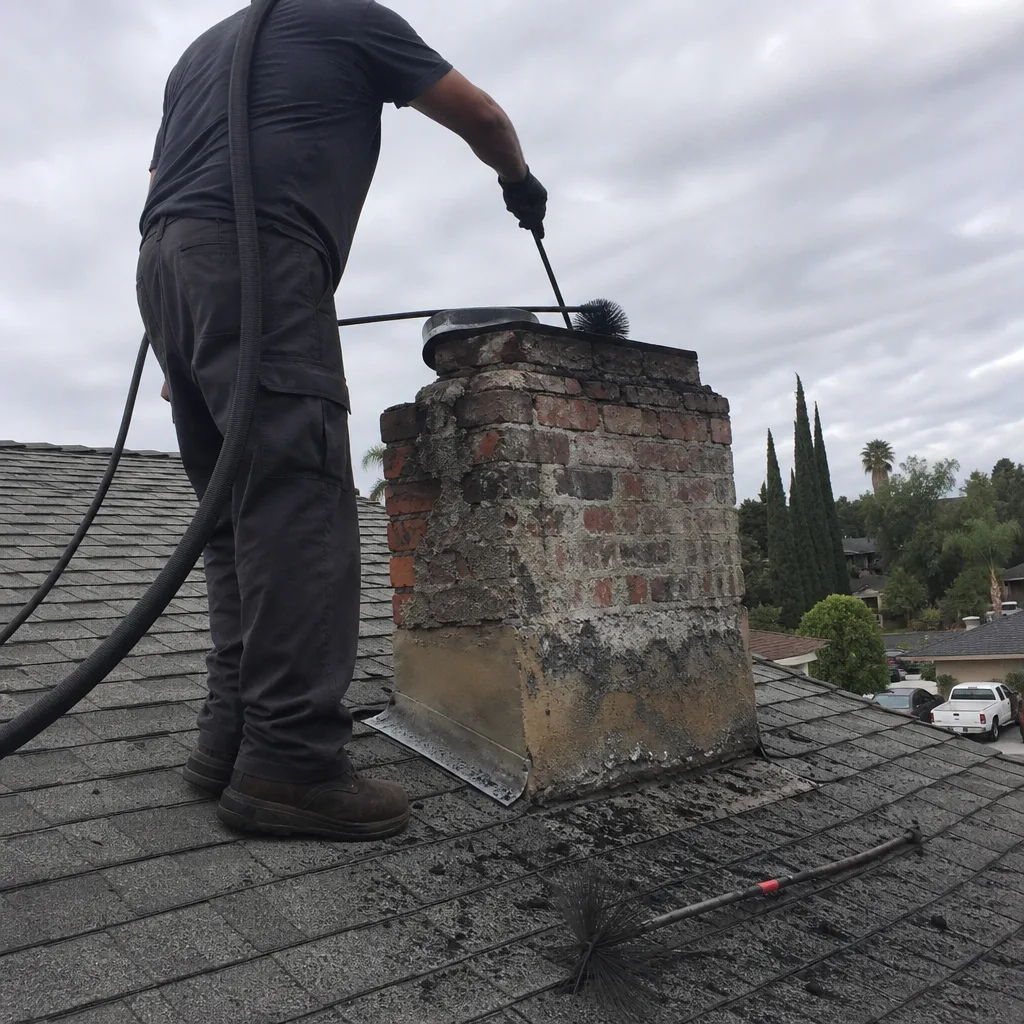
See the difference
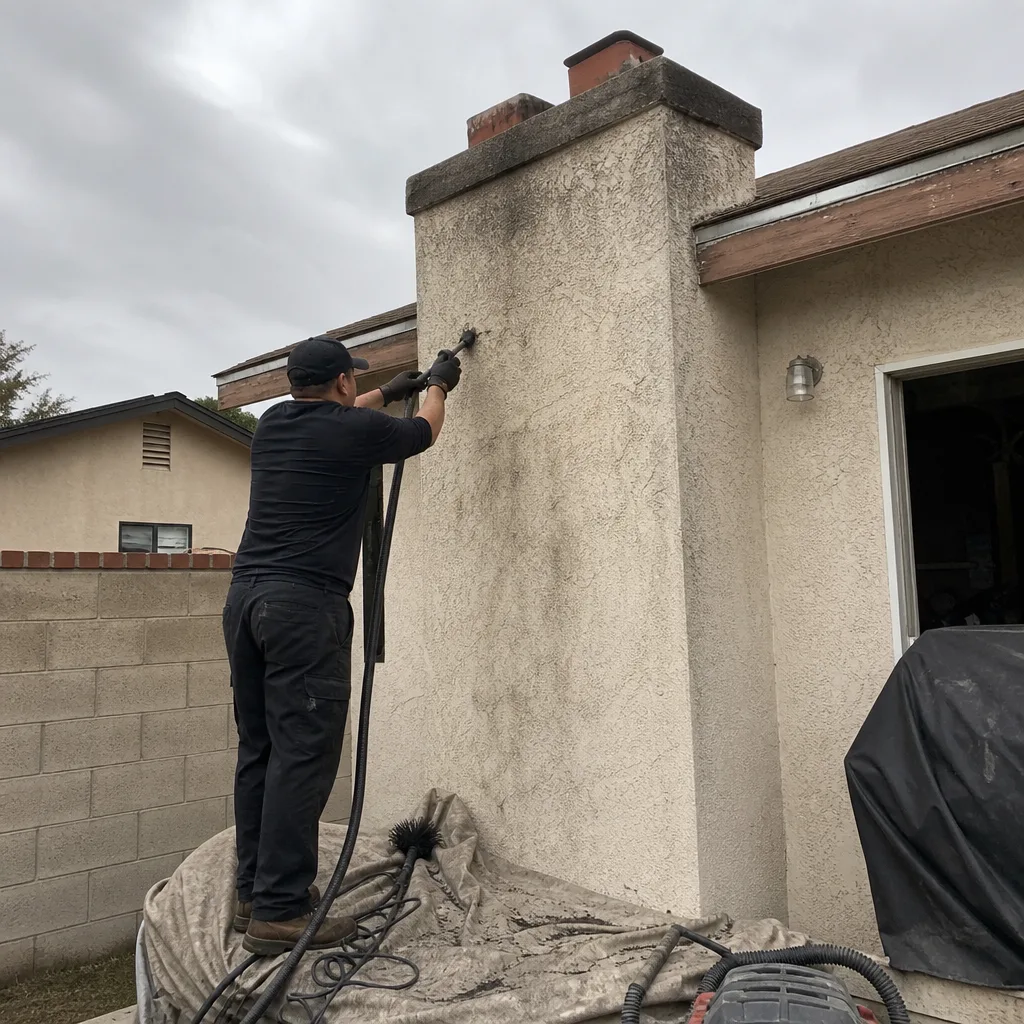 Before
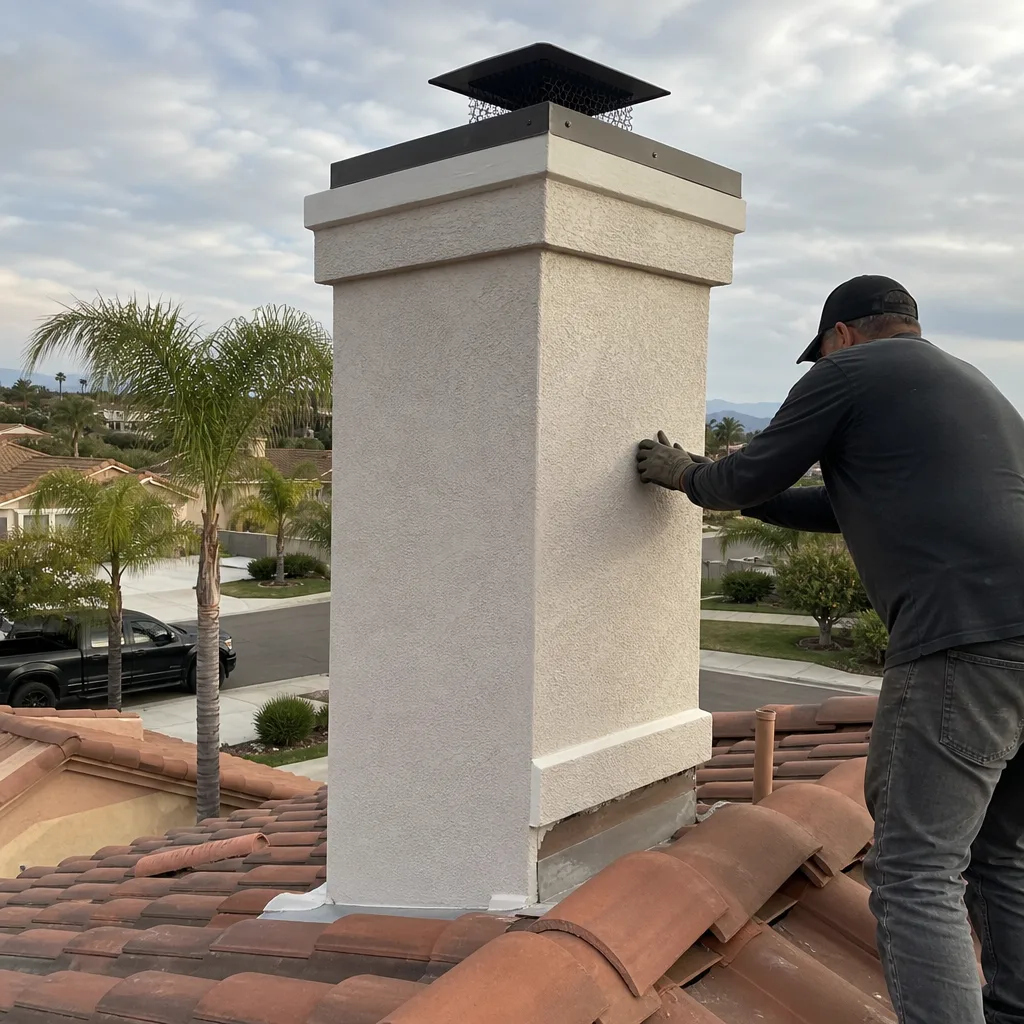 After
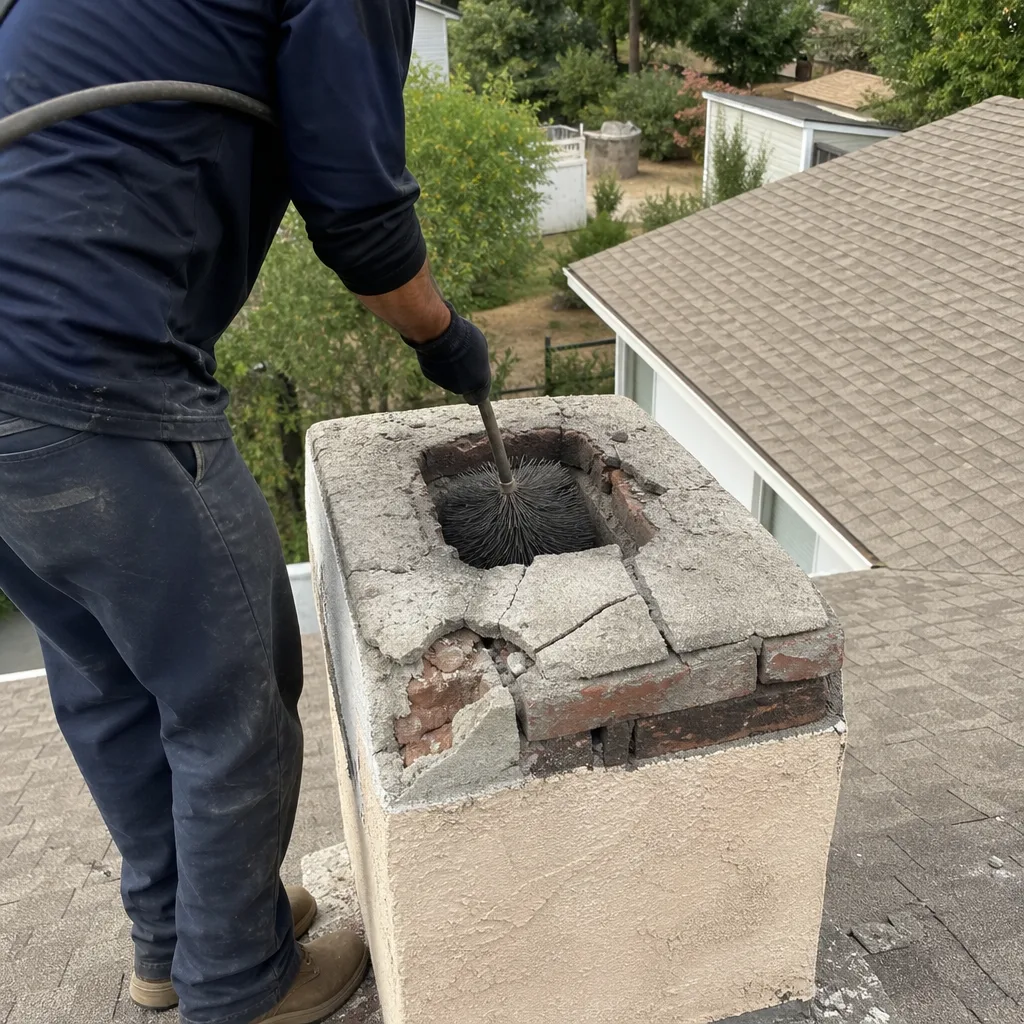 Before
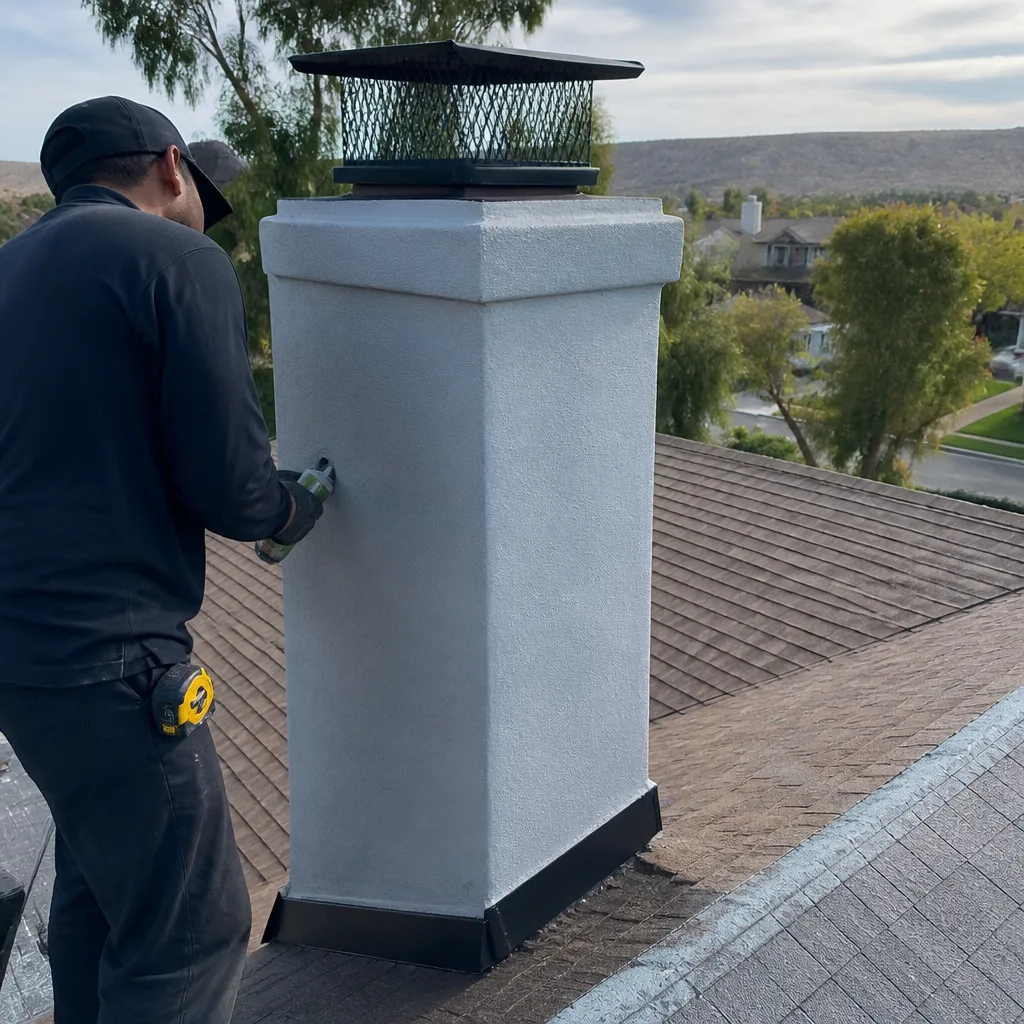 After
 Before
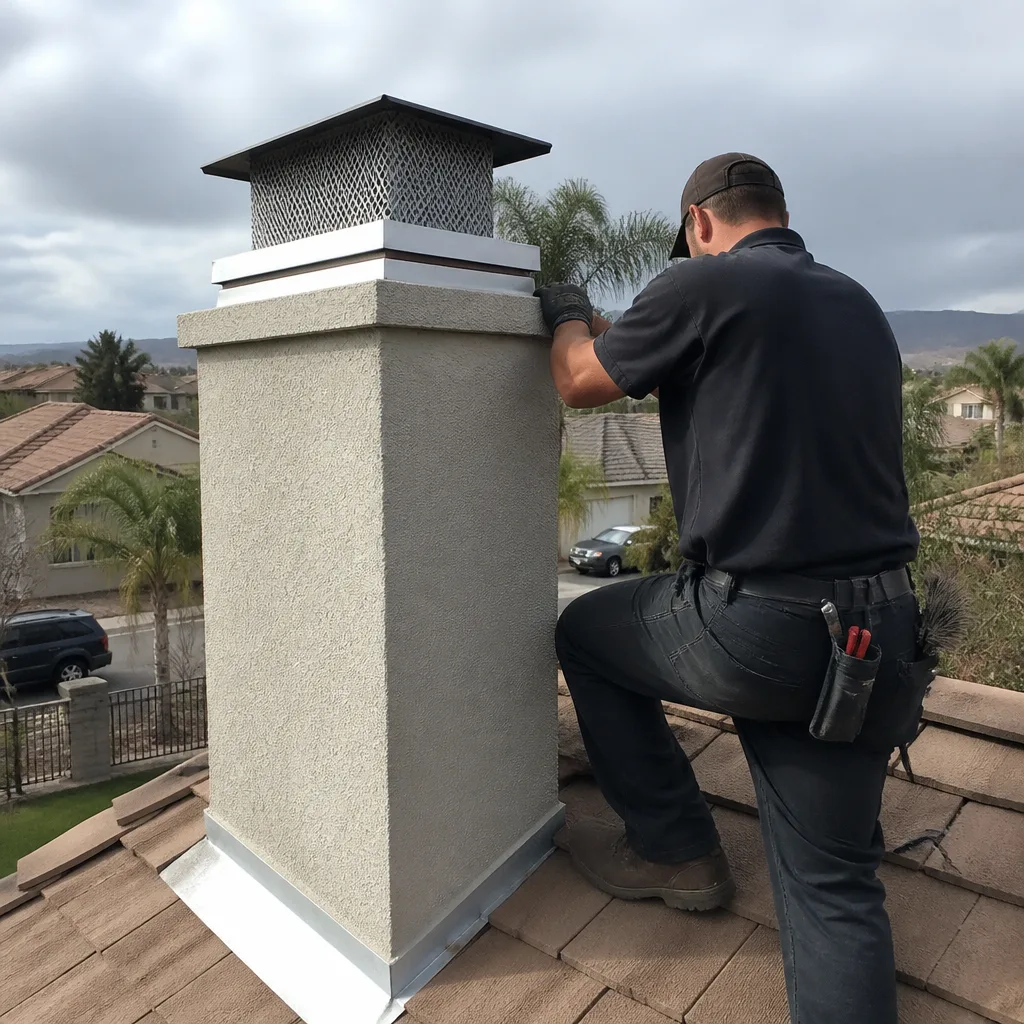 After