
Last updated November 2, 2026
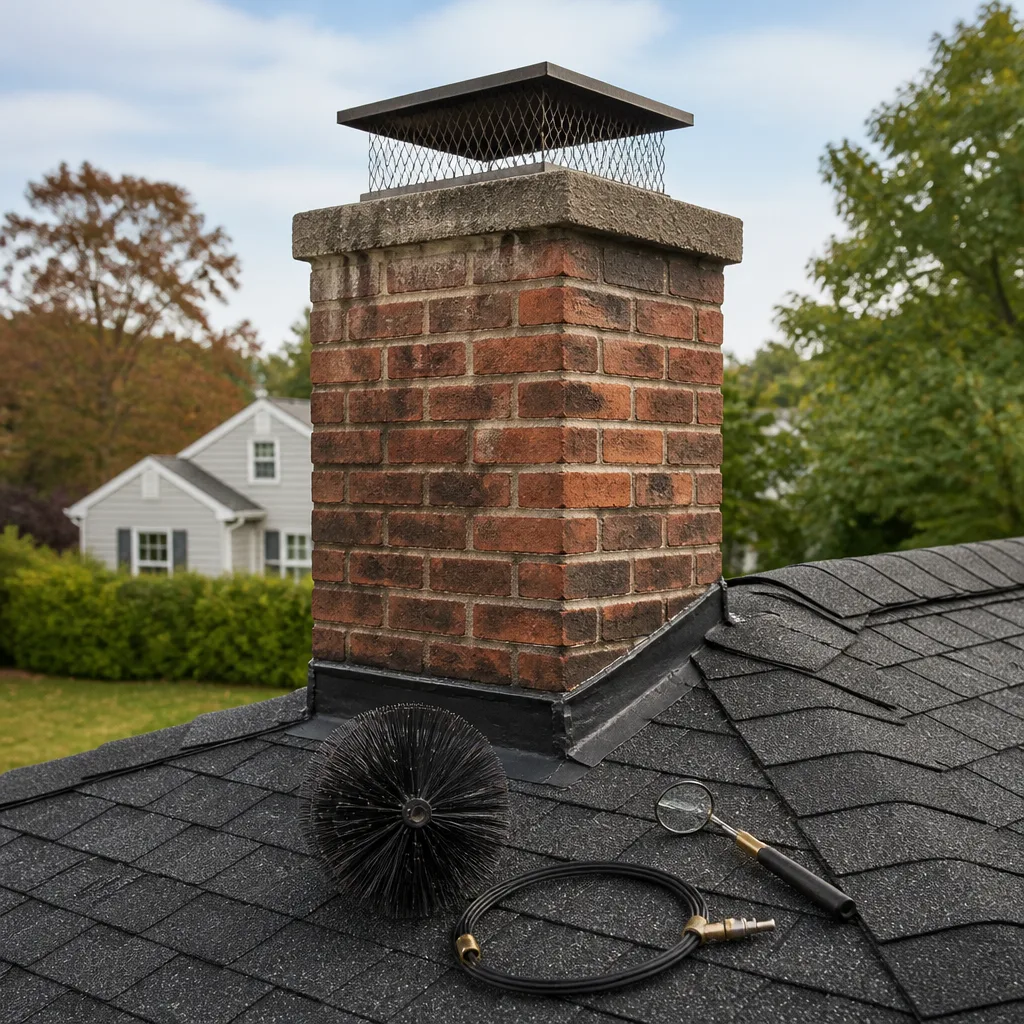 Sweep & inspection
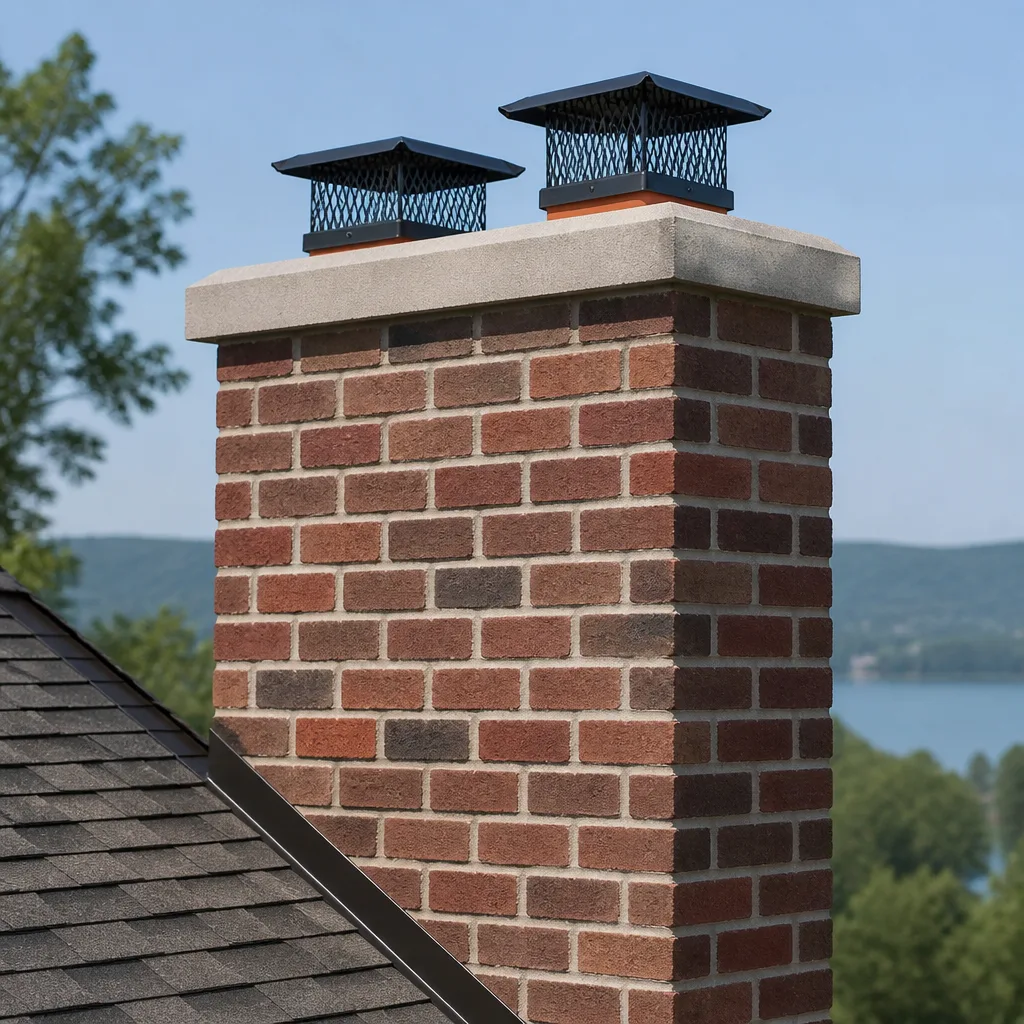 Caps & crowns
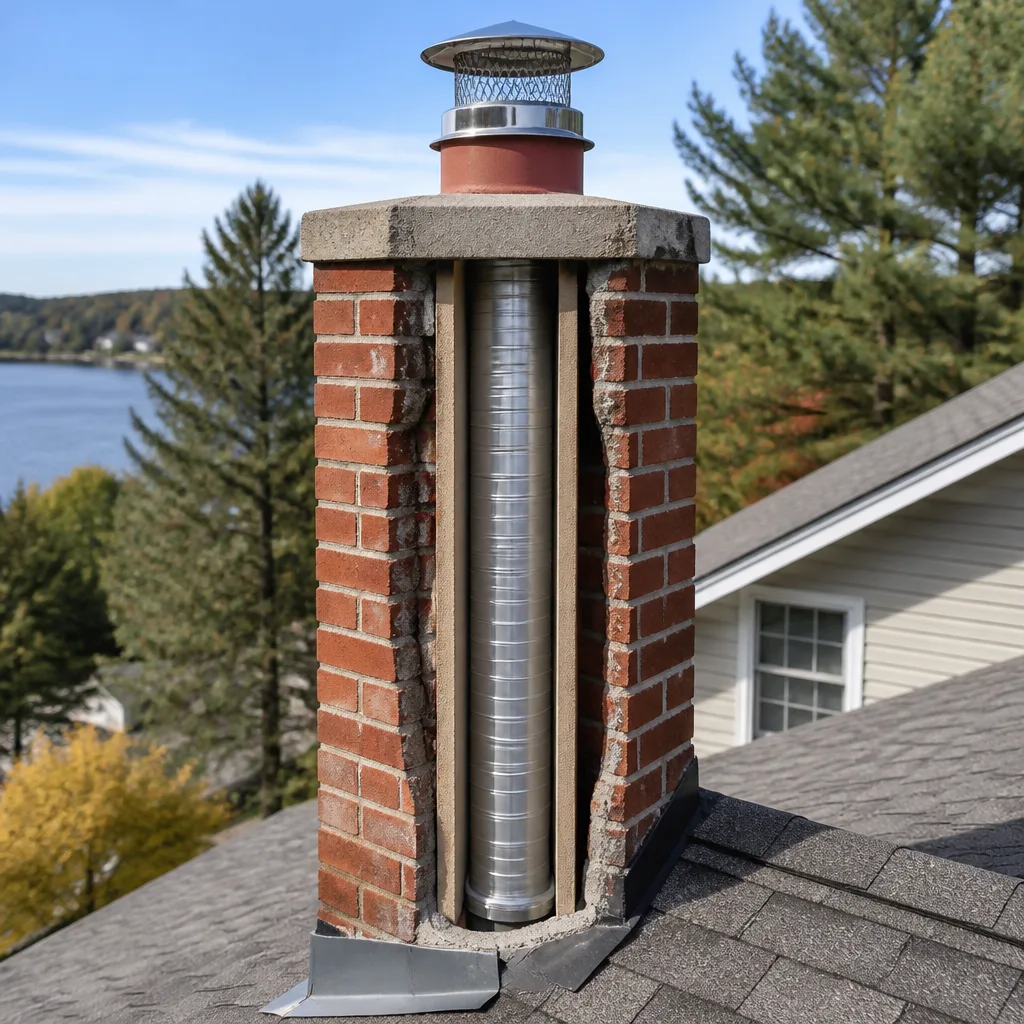 Flue relining
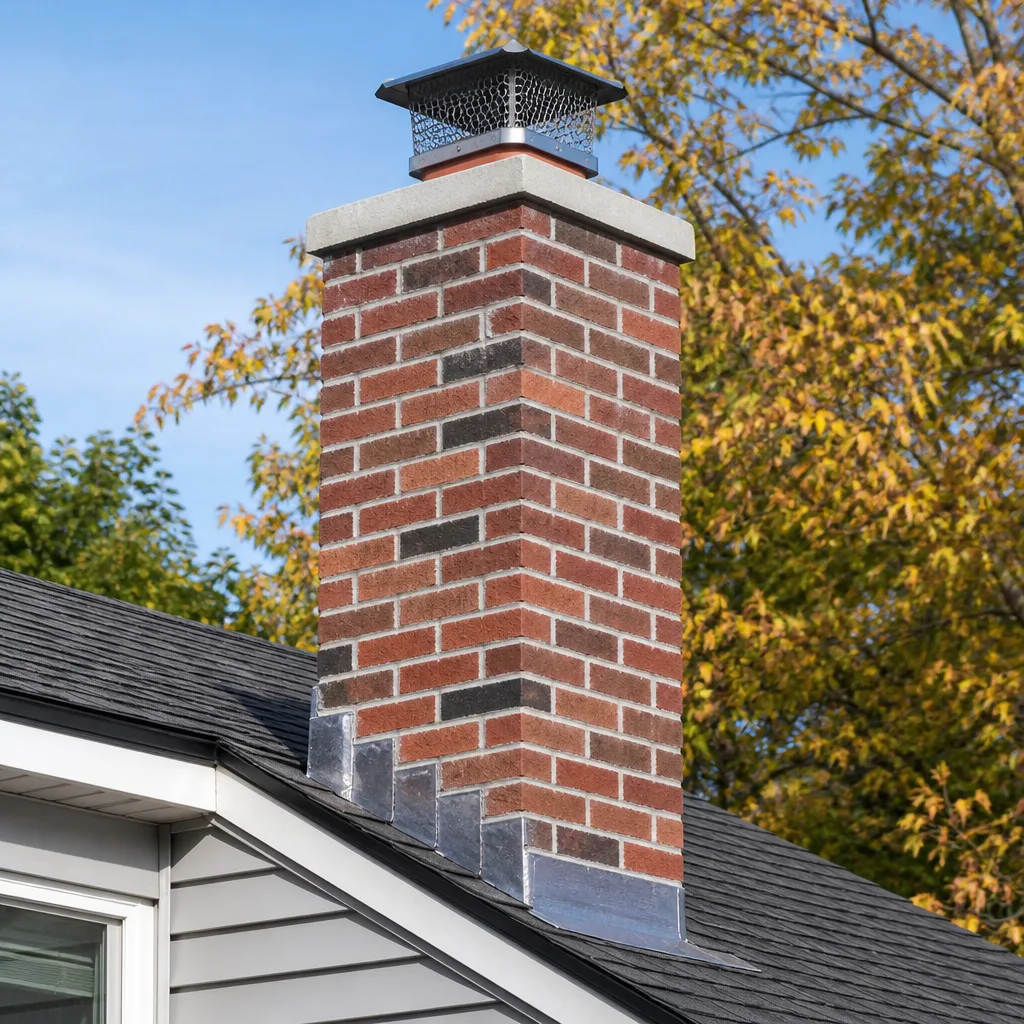 Masonry repair
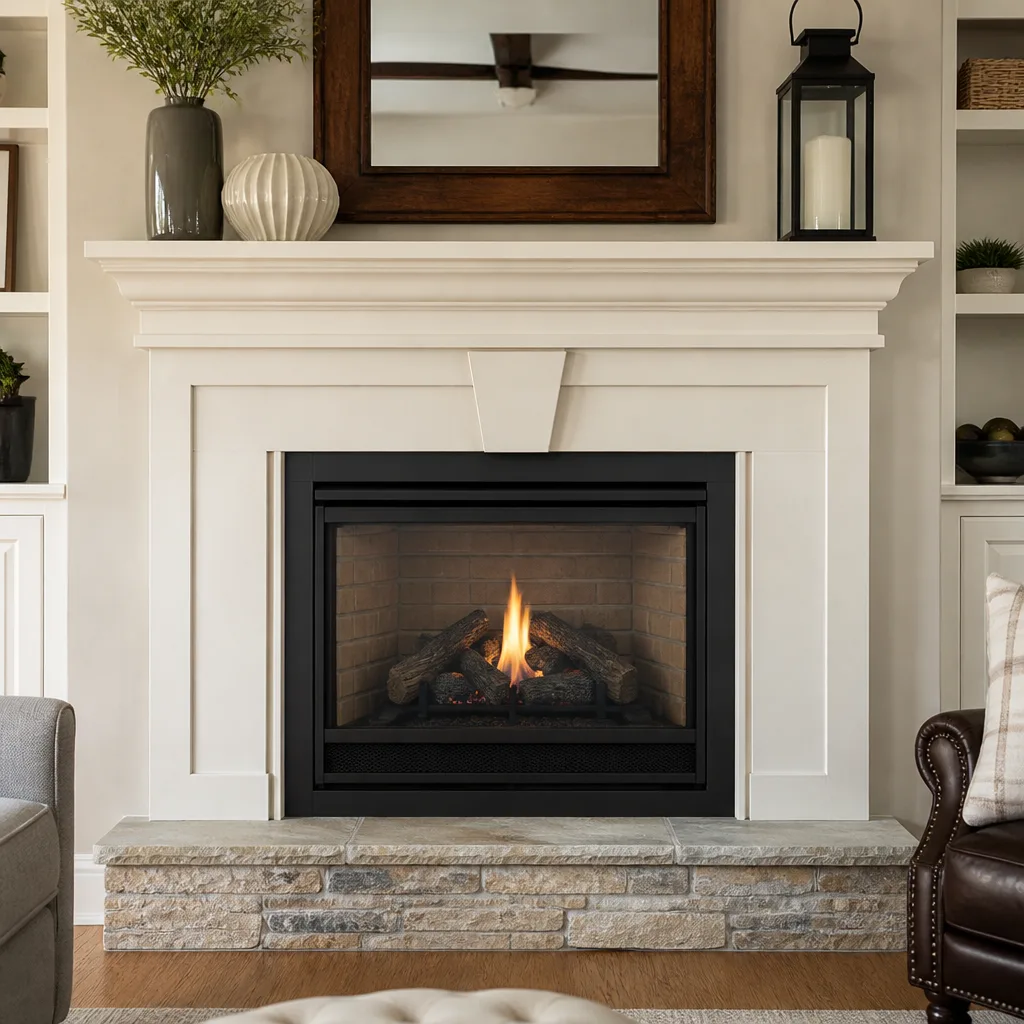 Gas fireplace service
Level 1 sweep and inspection to the NFPA 211 annual standard - flue, crown, cap, and flashing checked and photographed
Chimney sweep logs do not sweep chimneys. They loosen some creosote - which then falls where a brush and vacuum still have to collect it.
DIY vs Professional Chimney Cleaning: The Jurupa Valley Homeowner’s Decision Guide
A chimney brush on a fiberglass rod can remove first-degree creosote effectively. The problem is that it can also dislodge loose mortar from cracked flue tiles and give you a false confidence that the system is clean when it’s actually damaged. In Jurupa Valley, where winter evenings drop into the 40s and fireplaces get real, regular use from November through February, that false confidence is how chimney fires start. This guide draws a precise line between what a capable homeowner can safely do and what requires equipment, training, and material knowledge that no weekend warrior owns, and you can find more guides & resources in our blog.
Styles & brands we work with
- Sweep & inspection
- Caps & crowns
- Flue relining
- Masonry repair
- Gas fireplace service
Quick Answer
DIY chimney cleaning is viable for light, dusty, first-degree creosote on a newer chimney you can inspect from top and bottom. It is not viable for second-degree flaky creosote, third-degree tar-like glaze, or any system with unknown liner condition. In Jurupa Valley, most homes built before 1990 have unlined or clay-tile-lined masonry chimneys that need professional camera inspection before anyone, DIY or paid, puts a brush up them – something we cover step by step in our guide on How to Hire a Chimney Cleaning Contractor in Jurupa Valley.
Table of Contents
- What DIY Cleaning Can Actually Do
- What DIY Cleaning Cannot Do
- The Three Stages of Creosote: Why It Changes Everything
- DIY Tasks That Are Genuinely Safe and Effective
- Tools Professionals Use That You Can’t Buy
- The Insurance and Liability Angle
- Jurupa Valley-Specific Factors That Affect Chimney Wear
- A Tiered Approach: When DIY Makes Sense, When It Doesn’t
- Common Mistakes to Avoid
- When to Call a Professional
- Frequently Asked Questions
- The Bottom Line
What DIY Cleaning Can Actually Do
A homeowner with a fiberglass rod kit, a correctly sized wire or poly brush, and a drop cloth can remove loose, dusty creosote from the smoke chamber and the first few feet of flue. That’s the honest scope. The Chimney Sweep in Jurupa Valley work we do starts with that same brush work, but it’s step one of about six, and calling it a cleaning is generous. What you’re doing is knocking down whatever is loose enough to fall. It won’t remove bonded deposits, it won’t tell you anything about the tiles behind the soot, and it won’t touch the section of flue above the damper where most creosote actually accumulates.
If your fireplace has been used fewer than 15 times since its last professional cleaning, and you can see clean, intact clay tiles when you shine a flashlight up from the firebox, DIY surface cleaning is a reasonable maintenance step. If you can’t see the tiles, or you’re scraping rather than dusting, you’re outside DIY territory.
What DIY Cleaning Cannot Do
Here’s the gap nobody talks about. Removing surface creosote is not the same as assessing whether your liner, smoke chamber, and damper assembly are safe to keep using. A chimney sweep is an inspection that includes cleaning. A DIY brush job is cleaning without an inspection. That’s the whole difference, and it’s a big one.
- You cannot see the flue from one end. A flashlight from the firebox shows you maybe eight feet of a 15-to-25-foot flue. The upper third is where temperatures drop and creosote condenses fastest. That’s where Stage 2 deposits harden into flakes you can’t brush loose.
- You cannot assess liner integrity. Cracked clay tiles, separated mortar joints, and spalling brick are invisible under a layer of soot. A camera sees through it. Your eyes don’t.
- You cannot contain the dust. Professional cleaning uses high-CFM negative-pressure vacuums with HEPA filtration. A shop vac with a drywall filter will push fine creosote dust through the house, and that dust is an airway irritant.
- You cannot remove Stage 3 creosote. Tar-like glaze is chemically bonded to the flue surface. No brush, chemical powder, or homeowners-grade tool breaks it. It requires rotary chain systems or chemical treatment followed by professional removal.
The Three Stages of Creosote: Why It Changes Everything
Creosote is not one substance. It’s a spectrum of condensation byproducts from wood smoke, and the stage it’s in determines whether DIY is even physically possible.
Stage 1: Dusty and Loose
This is what forms on a flue after a handful of fires. It’s brownish-grey, fluffy, and crumbly. It comes off with a standard poly brush and honestly doesn’t require much effort. If your chimney has Stage 1 creosote throughout, and you can verify that by looking, DIY cleaning is feasible. Most Jurupa Valley homeowners burning seasoned oak from local suppliers fall into this category for the first season or two after a professional sweep.
Stage 2: Flaky and Brittle
Stage 2 looks like dark cornflakes stuck to the flue walls. It forms when smoke temperatures drop enough that creosote condenses as a liquid and then solidifies in layers. A standard brush will skip over the top of it. You need aggressive rotary cleaning with steel cable heads, and you need to see what you’re doing to avoid gouging clay tiles. This is not a DIY stage.
Stage 3: Tar-Like Glaze
Stage 3 is a glossy, black, hard coating that looks like the inside of a diesel exhaust pipe. It is highly flammable, extremely dense, and it cannot be brushed off. Removing it requires chemical treatment, rotary chain whipping, or in severe cases, liner replacement. If you see anything shiny and black when you look up your flue, stop researching DIY and call a professional.
Here’s why this matters in Jurupa Valley specifically: our fire season runs long, and many homes here burn through fall, winter, and into the cool spring evenings. That extended usage pattern is exactly why Seasonal Chimney Cleaning Care for Jurupa Valley should be on every homeowner’s radar. That extended burn season produces more total creosote volume than a cabin chimney that only gets used on weekends. More fires equal more condensation cycles, and more condensation cycles push Stage 1 into Stage 2 faster than most homeowners expect.
DIY Tasks That Are Genuinely Safe and Effective
We’re not going to tell you to never touch your own chimney. There are four tasks a careful homeowner can do safely with basic tools, and doing them between professional cleanings actually helps extend the life of the system.
- Cap cleaning and screen clearing. If you have a chimney cap with a wire mesh screen, leaves, twigs, and bird nesting material can block airflow. Climbing onto a roof is not something we recommend without fall protection, but if you have a flat or walkable roof, removing debris from the cap exterior is safe and useful. Don’t reach inside the flue. That’s not what this is.
- Exterior crown inspection from ground level. You can spot cracked or spalling mortar on the chimney crown from the ground with binoculars. Crown damage lets water into the masonry system, and catching it early saves thousands in rebuild work. Look for hairline cracks running across the top surface, or chunks of mortar missing at the edges.
- Ash removal with a metal ash vacuum. Ash builds up in the firebox and blocks airflow, which makes fires burn cooler and produce more creosote. Removing cold ash with a metal ash vacuum (never a regular household vacuum) is safe, easy, and should be done every 10-15 fires. Wait at least 48 hours after the last fire to make sure there are no live embers.
- Damper operation check. Open and close your damper a few times at the start of each season. If it sticks, grinds, or doesn’t fully close, that’s a signal to get it serviced before you start burning. A damper that won’t close properly is a constant draft loss that pulls heated air out of your home all winter.
These four tasks keep you engaged with your system without putting you in a position where you’re making safety decisions you’re not qualified to make. Notice what’s missing from this list: anything involving a brush up the flue, chemical treatments, or repairs. That’s deliberate.
Tools Professionals Use That You Can’t Buy
There’s a reason professional chimney sweeps in Jurupa Valley charge what they charge, and it’s not the brush. It’s everything around the brush. Here’s what actually separates professional equipment from what’s sitting on the shelf at Home Depot.
High-CFM Negative Pressure Vacuum Systems
This is the piece of equipment that makes professional cleaning possible without trashing your living room. A professional unit pulls 800-1,200 cubic feet per minute of air through the firebox, creating negative pressure inside the flue so that dislodged soot and creosote gets pulled into the vacuum instead of falling into the house. Your shop vac pulls maybe 150 CFM through a 2-inch hose and filters almost none of the fine particulate. The difference isn’t incremental. It’s the difference between a clean floor and a thin film of creosote dust on every surface in the room.
CCTV Chimney Camera Inspection
We don’t sweep a chimney we haven’t looked at with a camera. A CCTV inspection shows us every flue tile, every mortar joint, every crack, and every offset in the system. It’s the difference between “we cleaned it” and “we cleaned it and here’s what we found.” Homeowners who’ve had a camera inspection done once rarely go back to the brush-only approach, because once you’ve seen the inside of your own flue on a monitor, you understand what you were missing.
Rotary Cleaning Systems
Stage 2 creosote doesn’t respond to vertical brushing. Rotary systems use a drill-driven cable with chain or wire heads that spin against the flue walls at high speed, breaking off bonded deposits without the ladder work and physical effort of manual rod brushing. These systems also reach the shoulders of the smoke chamber, where round brushes don’t make contact. You cannot rent this equipment anywhere, and you shouldn’t try to substitute a drill attachment from Amazon. A spinning brush on a homeowner drill in an unlined flue is a great way to knock loose mortar and not know you’ve done it.
We source our repair materials from Olympia Chimney and Copperfield supply networks because when we find a problem, the fix has to be professional-grade. That’s the same logic behind the equipment choice: we name the materials we use because you should know what’s going into your house.
The Insurance and Liability Angle
Here’s the question nobody asks until after something goes wrong: what happens to your homeowner’s insurance claim if a chimney fire occurs after a self-performed cleaning with no documentation?
The uncomfortable answer is that it depends on your policy, and some policies have exclusions for fire damage originating in a chimney that hasn’t been professionally inspected within a specified period. A homeowner who cleaned their own chimney has no record of the flue’s condition, no proof of what was removed, and no documentation that the system was sound before the fire. That’s a coverage dispute waiting to happen.
A professional sweep in Jurupa Valley provides a written report of what was found, what was removed, and what the condition of the system is. That report is your documentation. If a fire occurs after a professional sweep and the system was found to be sound, your position with an insurance adjuster is materially stronger.
This is not scare-selling. It’s the practical reality of how claims work. Insurance companies look for reasons to deny or reduce claims. “The homeowner cleaned the chimney themselves with a brush from Amazon” is a reason. “Here’s a camera inspection report from a professional sweep showing intact tiles and Stage 1 creosote removal” is a shield.
Jurupa Valley-Specific Factors That Affect Chimney Wear
Chimneys aren’t interchangeable. A chimney in coastal San Diego weathers different from a chimney in Jurupa Valley, and understanding why matters when you decide how to maintain it.
Wind and dust. Jurupa Valley gets real wind, especially through the spring and fall. The Santa Ana winds push fine dust through every gap in your home, and that includes the chimney cap and any cracked mortar joints. Dust intrusion accelerates the deterioration of clay flue tiles and can mix with creosote to create a more abrasive deposit that’s harder to remove.
Temperature swings. We don’t get the extreme freezes of the Midwest, but Jurupa Valley nights in the high 30s and low 40s during winter burn season are enough to create condensation cycles inside the flue. When warm smoke hits a cold flue, creosote condenses as liquid. Repeated cycles build Stage 2 deposits faster than steady-state burning. This is why chimneys here often show more accumulation in the upper third of the flue than homeowners expect.
Older housing stock. A meaningful portion of Jurupa Valley’s residential construction predates 1990. Homes built before then typically have masonry chimneys with clay tile liners, and many have no liner at all above the smoke chamber. Clay tiles crack over time, and once they crack, the gaps expose the surrounding masonry to heat and creosote. If your home is 30-plus years old and you’ve never had a camera inspection, you’re making maintenance decisions in the dark.
Burn season length. Unlike mountain cabins that get used heavily for two months and sit idle the rest of the year, Jurupa Valley fireplaces get regular, moderate use from roughly October through March. The volume isn’t extreme, but the duration means creosote accumulates steadily rather than in bursts. Steady accumulation is the kind that quietly moves from Stage 1 to Stage 2 without anyone noticing.
A Tiered Approach: When DIY Makes Sense, When It Doesn’t
The most useful way to think about chimney maintenance in Jurupa Valley is as a tiered decision, not a binary one. Here’s the breakdown by system condition and history.
Tier 1: Newer System, Recent Professional Sweep, Light Use
If your home was built after 2005, you’ve had a professional sweep within the last two years, and you burn fewer than 20 fires per season, DIY surface cleaning is reasonable. Use a correctly sized poly brush, work from the top down if you’re comfortable on a ladder, and keep a flashlight on the flue between passes. If you see anything shiny, flaky, or black, stop and call us at (866) 285-4905.
Tier 2: Older System, No Camera Inspection History, 20-50 Fires Per Season
This describes a large share of Jurupa Valley homeowners. Your chimney has been swept before, but never camera-inspected. You burn regularly through the winter. In this tier, we recommend a professional sweep with camera inspection at least once, then annual professional cleanings if the inspection shows intact tiles and Stage 1-only creosote. DIY between professional visits is fine for ash removal and damper checks, but the annual cleaning should be professional because you’re in the Stage 2 risk zone and you won’t know when Stage 2 has arrived without a trained eye.
Tier 3: Unknown History, Older Masonry Chimney, Visible Cracks or Spalling
If you bought the house and inherited the chimney with zero maintenance records, or if you can see cracks in the mortar, crumbling brick, or a rusted damper, do not DIY anything. You need a professional inspection before anyone puts a brush up that flue. A brush can dislodge loose mortar from already-damaged tiles and accelerate deterioration. Once the camera shows what’s actually in there, we can tell you whether you need cleaning, repair with HeatShield resurfacing, or a DuraFlex liner replacement.
We’ve worked on Jurupa Valley homes that look perfect from the outside and are a Stage 3 mess on the inside, and vice versa. The exterior condition of your chimney tells you almost nothing about the flue condition. That’s the core argument for camera inspection, and it’s the argument DIY culture never surfaces.
Common Mistakes to Avoid
- Trusting a visual inspection without a camera. Looking up from the firebox and seeing black means you can see about 40% of the flue surface. The remaining 60% is where the problems concentrate. Camera inspection is the only way to assess total system condition.
- Using chemical creosote logs as a substitute for cleaning. Those products desiccate Stage 1 creosote so it’s easier to brush, but they do not remove Stage 2 or Stage 3 deposits. They’re a maintenance aid, not a cleaning method. Don’t let them create false confidence.
- Cleaning from the firebox upward with no containment. Gravity and the brush are working against you from below. All the loosened debris comes straight down into the room unless you’ve sealed the firebox with plastic and tape, and even then, fine dust escapes.
- Scraping Stage 3 glaze with metal tools. You cannot scrape off Stage 3 deposits. You’ll gouge the flue tiles, create new cracks, and leave the glaze intact. This is how DIY attempts turn a cleanable chimney into a replacement project.
- Ignoring the dryer vent. Chimney cleaning and dryer vent cleaning are the two most common household fire-hazard maintenance items, and Dryer Vent Cleaning in Jurupa Valley addresses the one most people never think about until their dryer takes 90 minutes to finish a load. If you’re investing in chimney maintenance, the dryer vent deserves the same attention.
- Assuming a clean chimney equals a safe chimney. A chimney can be spotless inside and still have a cracked flue liner, a damaged damper assembly, or a failing crown. Cleaning is step one. We also fix what we find, which is why Chimney Repair in Jurupa Valley is part of every inspection we perform, not a separate phone call.
When to Call a Professional
Call a professional if you see shiny black glaze anywhere in the flue, if you’ve burned more than 30 fires since the last professional cleaning, if your home is over 25 years old with no camera inspection history, if you smell smoke in the house when the fireplace isn’t in use, or if you’ve noticed any cracking, spalling, or leaning on the exterior masonry. These are not edge cases. They’re the typical conditions we find across Jurupa Valley. Chimney Sweep Jurupa Valley offers free estimates in Jurupa Valley. Call (866) 285-4905 and we’ll put a camera up your flue and show you exactly what we’re seeing. Then you decide, with actual information instead of guesswork.
Frequently Asked Questions
A chimney that’s used regularly in Jurupa Valley should be swept annually, regardless of creosote volume. The National Fire Protection Association recommends sweeping whenever creosote reaches 1/8 inch in thickness, but without a camera inspection you can’t measure that. Annual professional cleaning with inspection is the right rhythm for most local homes. Call (866) 285-4905 to schedule one.
Yes, for light Stage 1 creosote on a newer chimney in good condition. No, for anything else. The kits are legitimate, but they only remove what’s loose, and they don’t tell you whether the liner behind the soot is sound. If you’re unsure which stage you’re dealing with, call us before you brush. We’d rather answer a phone call than watch a DIY job turn into a repair estimate.
Chimney sweeping in Jurupa Valley typically runs $180 to $340 depending on system type, creosote stage, and whether a camera inspection is included – see our full Chimney Cleaning Cost Breakdown for a detailed Jurupa Valley homeowner’s reference. Repair work is quoted separately after inspection. Free estimates are available by calling (866) 285-4905.
Sometimes yes, sometimes no. Hairline cracks that haven’t expanded can be addressed with a resurfacing compound like HeatShield, which we apply in-house. Larger cracks, separated joints, or missing tiles typically require a DuraFlex flexible liner replacement. You won’t know which path you’re on without a camera inspection, and we don’t recommend liner work we can’t justify with footage you can see.
Creosote accumulates in stages. Light dust becomes flaky Stage 2 deposits, which become tar-like Stage 3 glaze. The more creosote in your flue, the higher the likelihood of a chimney fire, and Stage 3 is a ticking clock. Beyond the fire risk, skipped cleaning means skipped inspection, and inspection is how we catch cracked liners before they cause a much more expensive repair. Call (866) 285-4905 if it’s been more than two years since your last sweep.
For fire risk, yes. Lint is more flammable than most people realize, and a clogged dryer vent restricts airflow exactly like a clogged chimney, raising operating temperatures and creating an ignition risk. The same neglect pattern applies to both systems. We handle both as part of a single maintenance call, so it’s one less separate contractor to schedule.
The Bottom Line
DIY chimney cleaning has a narrow window where it’s legitimate: a newer chimney, a recent professional inspection, light use, and Stage 1 creosote only. Outside that window, the risks of self-cleaning without inspection outweigh the money saved. The real value of a professional is not the brush. It’s the camera, the report, the material expertise, and the documentation that stands up to an insurance claim. In Jurupa Valley, with our burn season length, older housing stock, and the wind and dust that accelerate flue wear, the smart move is a professional sweep with inspection at least once, then a maintenance rhythm built on what the camera actually shows.
Written by the team at Chimney Sweep Jurupa Valley, serving Jurupa Valley since 2015.
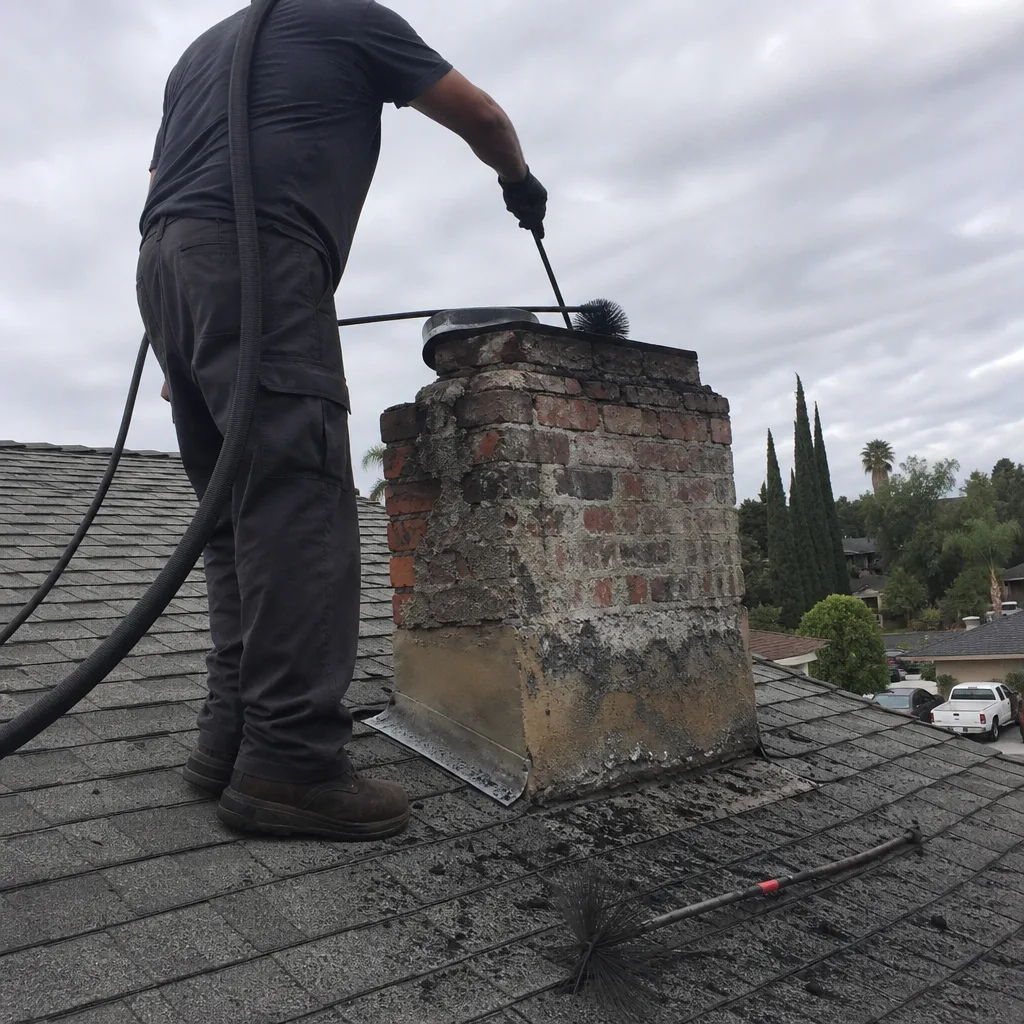
See the difference
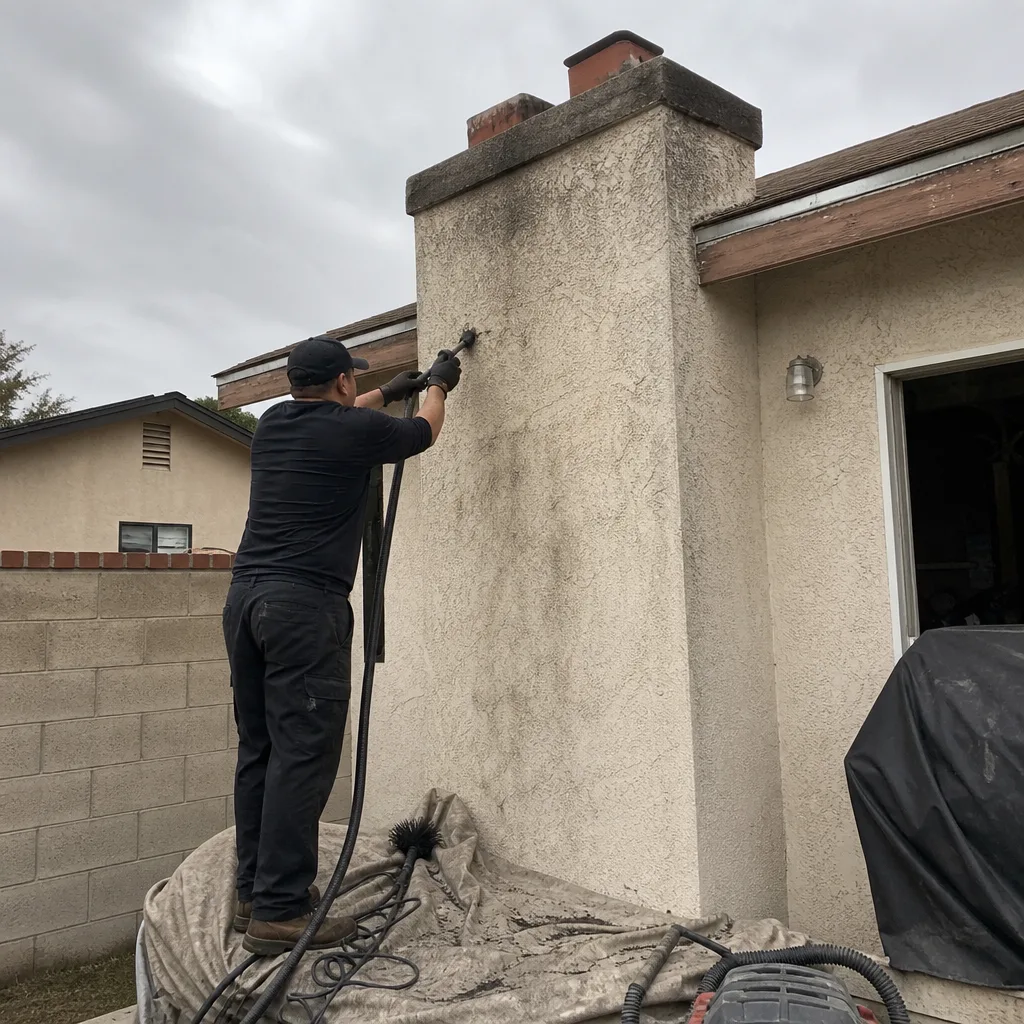 Before
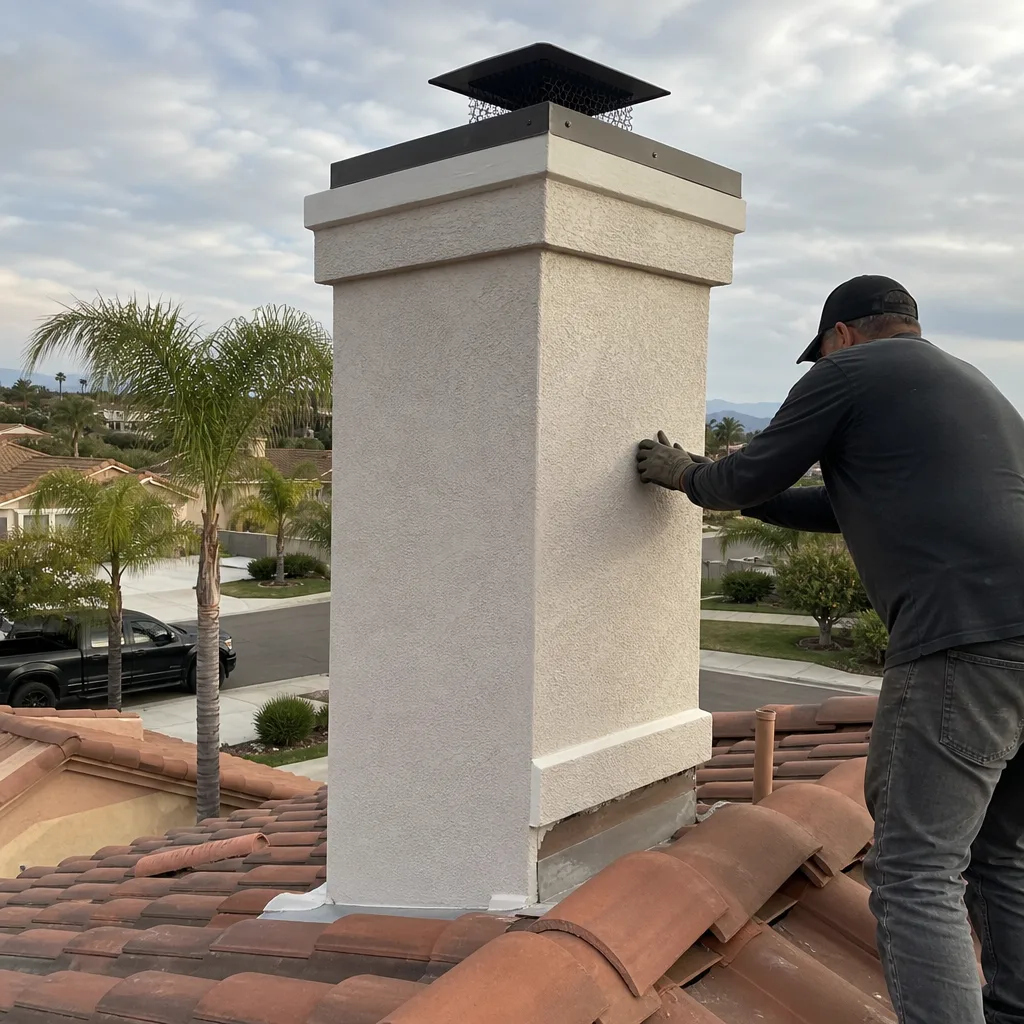 After
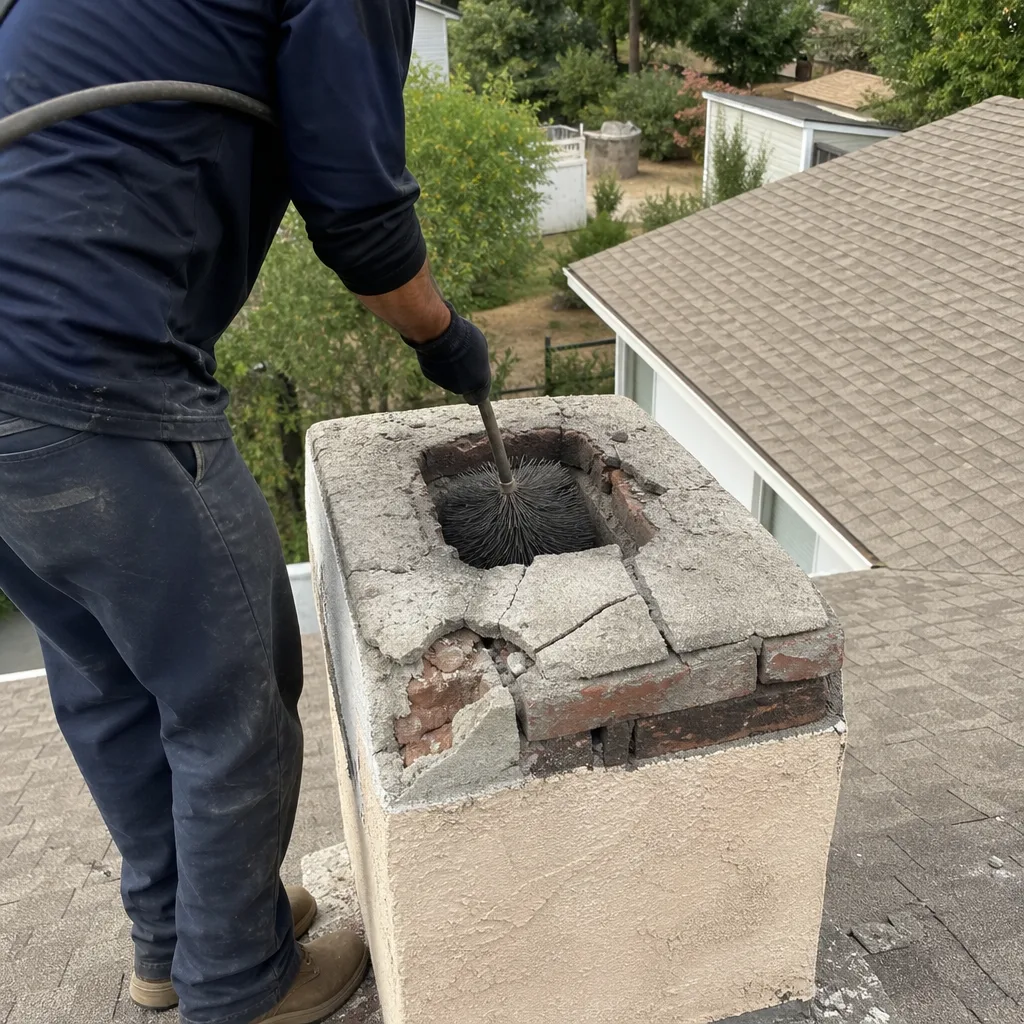 Before
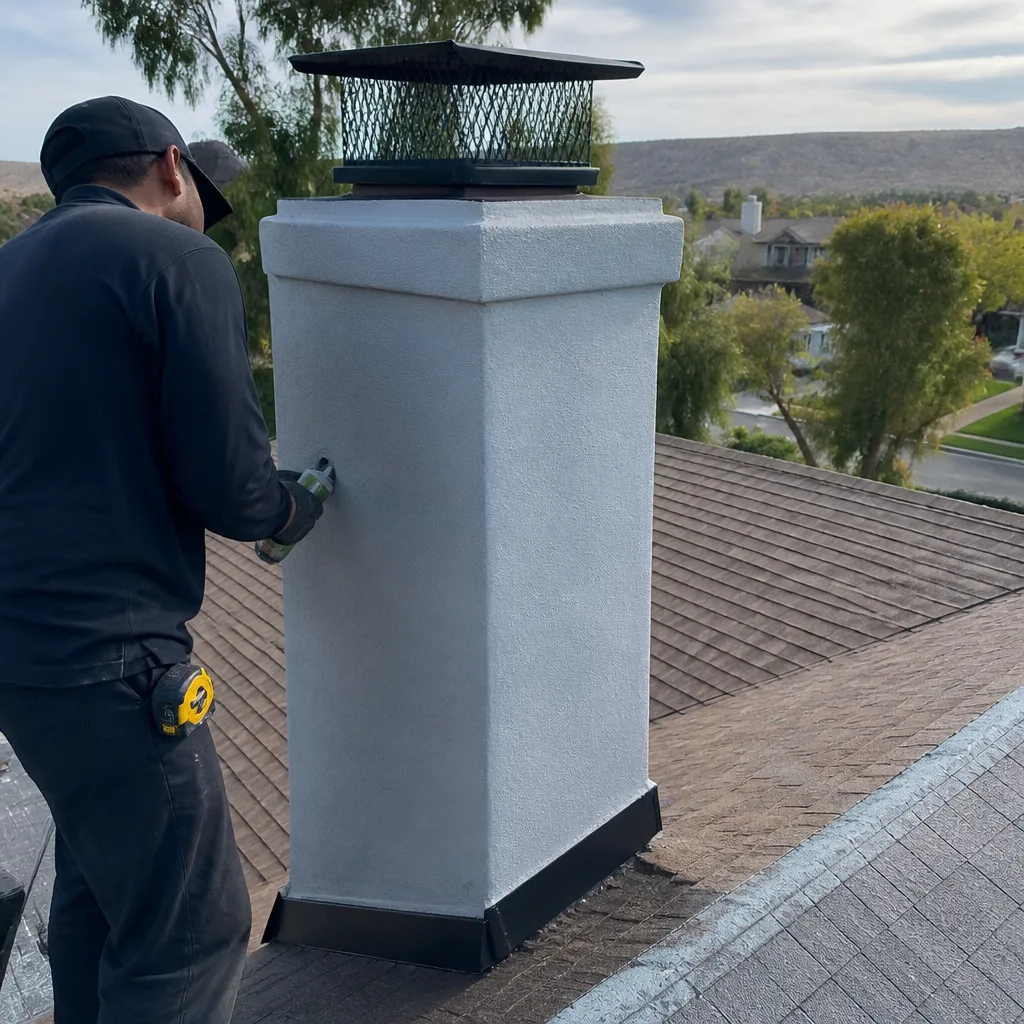 After
 Before
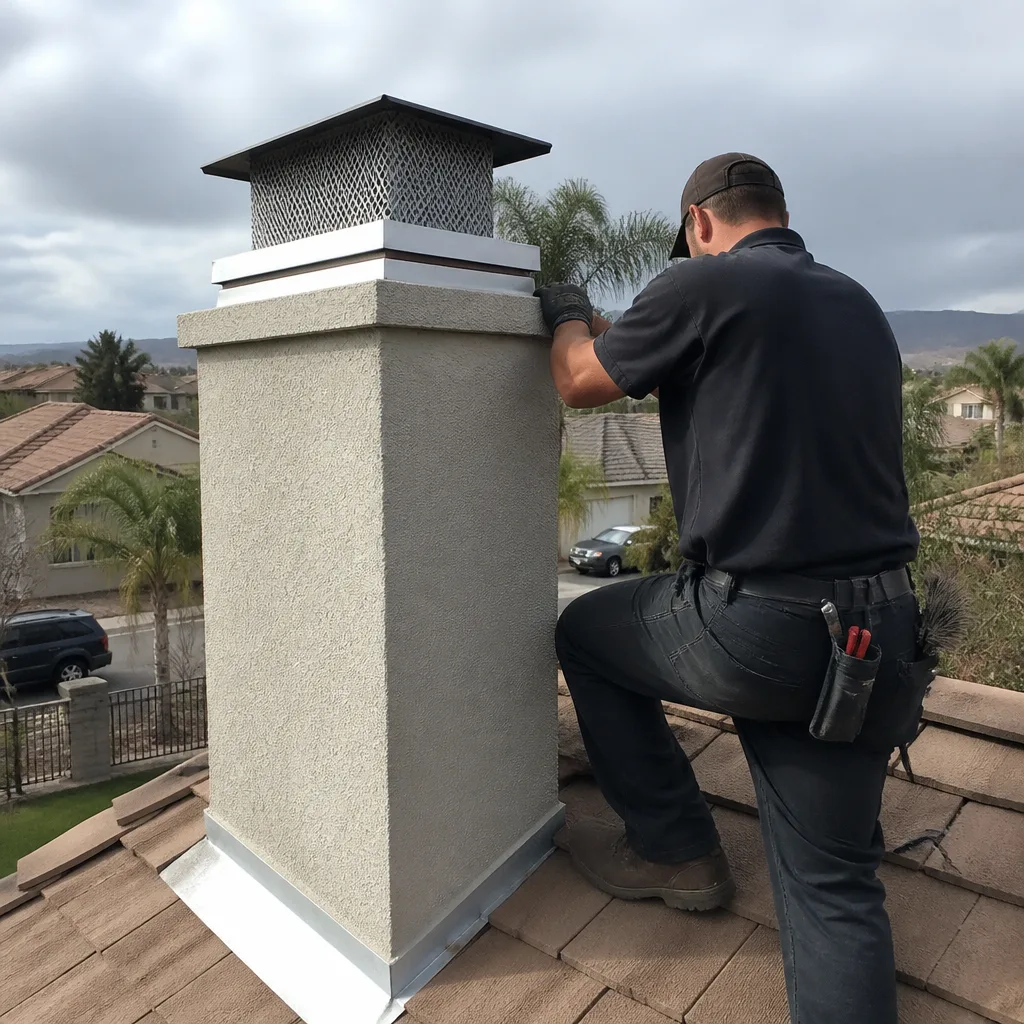 After